
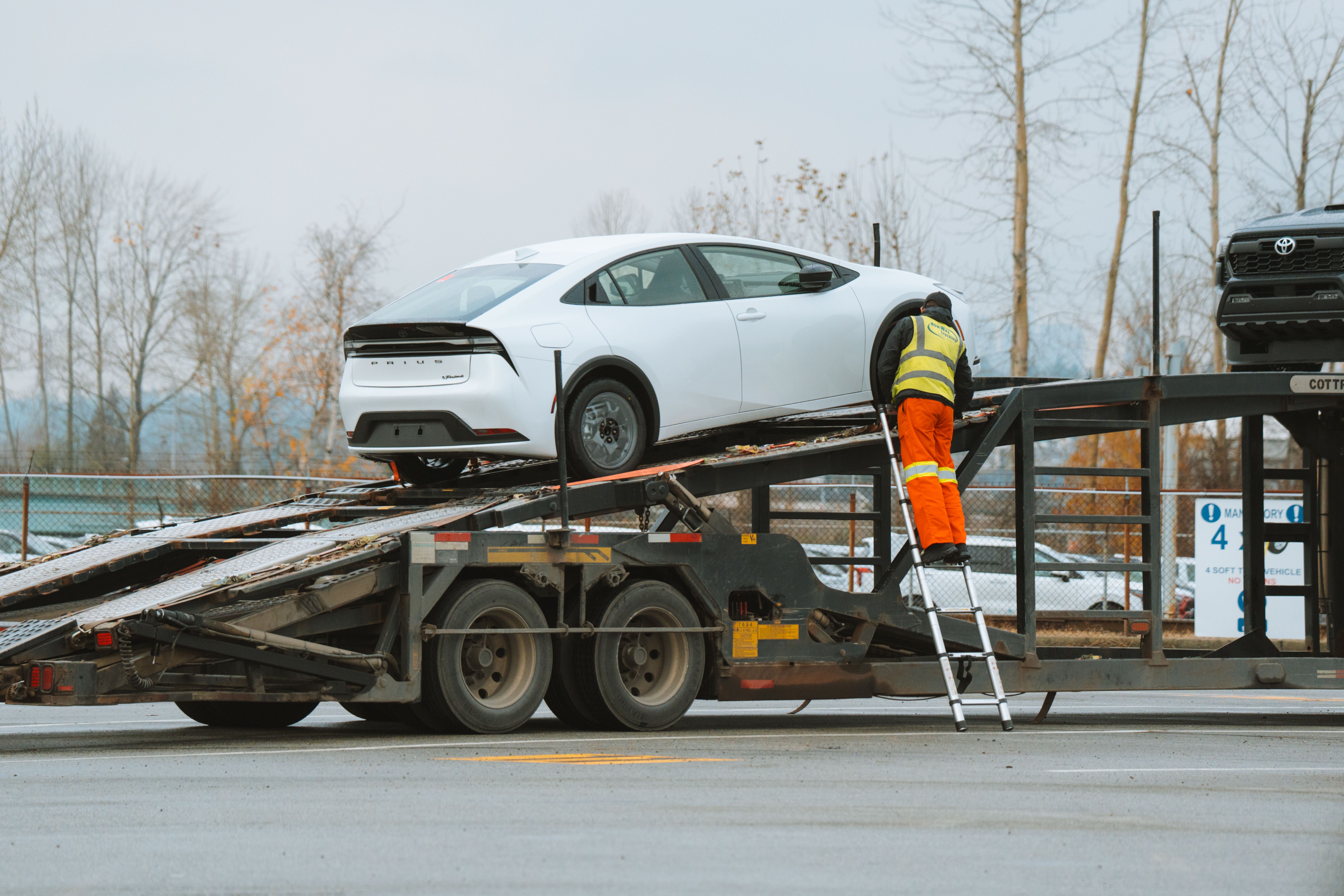
LADOT maps goods-movement and vehicle networks. That supports checking the final approach; it does not prove that a particular curb is available for a transporter.
Evidence and execution checks for Car Shipping Alaska To Los Angeles
That supports checking the final approach
The final-mile approach should be solved for the booked equipment
The final-mile approach should be solved for the booked equipment, not assumed from the city name.
Los Angeles has a formal goods-movement street network
Los Angeles has a formal goods-movement street network, so a provider should not treat the city name as a guaranteed large-truck stopping point.
Ask for the actual LA handoff after the Alaska leg is defined
Ask for the actual LA handoff after the Alaska leg is defined.
Turn this plan into comparable transport options
Use the actual vehicle, pickup and delivery details, timing and handling needs so every quote starts from the same scope.
Separate the transfer from the city delivery
Define every custody change between Alaska and the Los Angeles property
An Alaska-to-Los Angeles request can involve more than one transport mode, but the route should not be invented from the destination name. Start with the exact Alaska pickup or terminal handoff and require the provider to identify any marine, terminal or road segment it actually proposes. For each transfer, record who accepts the vehicle, who holds the keys and condition report, and which company is responsible until the next named handoff.
Describe whether the car starts, rolls, steers and brakes, plus any clearance or size change that affects loading. If a terminal operator has separate preparation, contents or document rules, obtain them from the operator used in the booking rather than applying a generic ferry checklist. The written price should show whether the Alaska first-mile movement, terminal handling and the mainland road leg are included or separate.
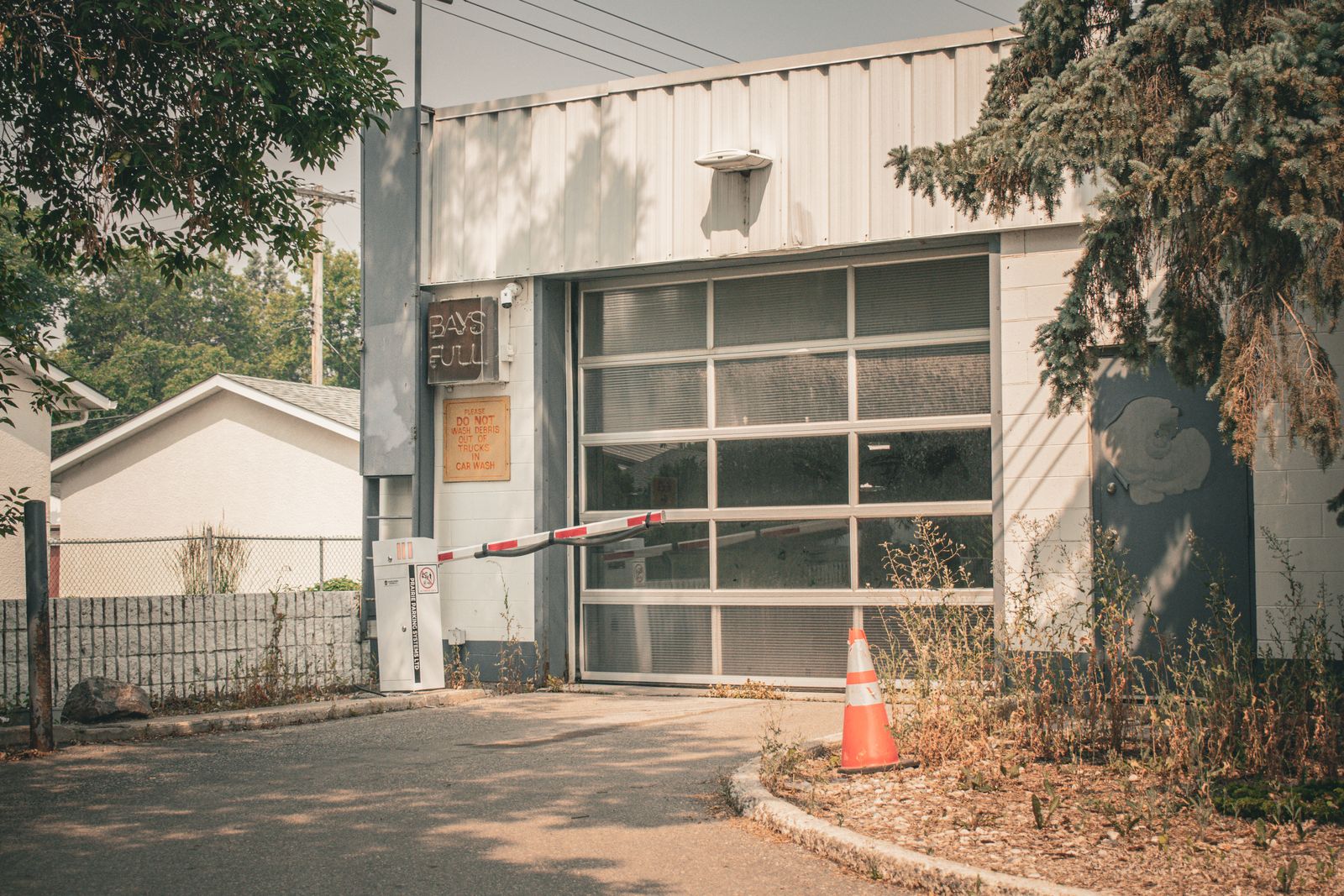
Los Angeles is still not a final handoff until the receiving property is accepted. Give dispatch the address, access limits and receiver availability. If a large transporter cannot use the property, agree on a lawful alternate point and decide how the car reaches its final location, especially when it cannot be driven. Keep condition photographs through each custody change and have the Los Angeles receiver inspect against the most recent signed record.