
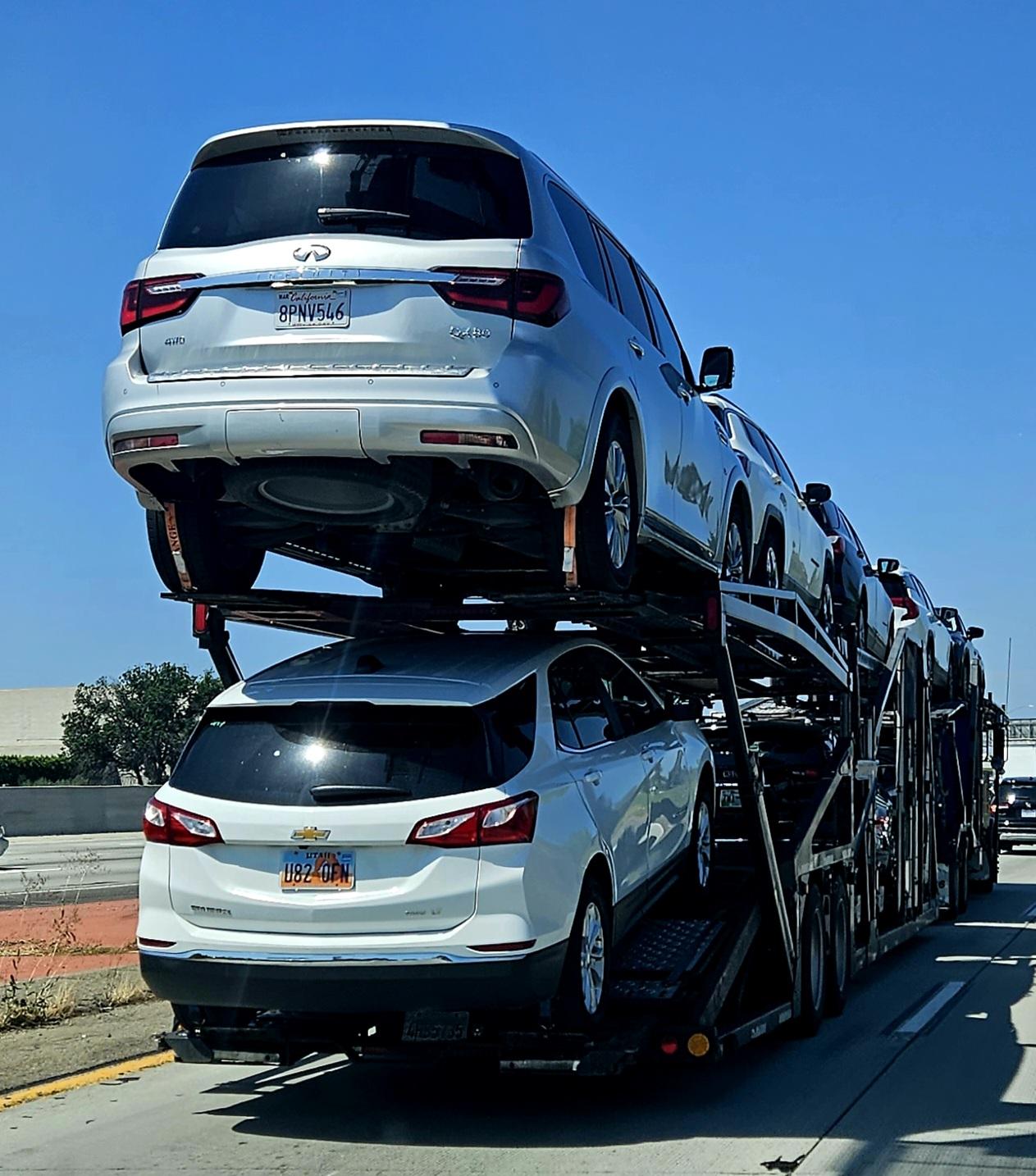
Give the company the date you first have access to the Seattle property and the hours someone can inspect the vehicle. Ask how arrival revisions will be communicated and who can authorize a changed handoff.
Match the delivery window to an available receiver
If you cannot cover the whole window, nominate another receiver before collection.
Request written terms for waiting or storage. Do not assume the driver can hold a loaded truck until your flight arrives. If a separate storage facility is proposed, confirm its acceptance, access hours, charges and condition-record procedure.
Access checks for Miami-to-Seattle car shipping
Match arrival to a real receiver
Seattle receipt should be planned across the offered window, not around a single hoped-for hour. If the primary recipient cannot cover the window, authorize another person before the vehicle leaves Miami.
Confirm the Seattle street-space activity
A temporary no-parking reservation does not automatically establish that the transporter can use the approach or unload there. Give SDOT and the operator the actual street, timing and vehicle combination when checking what is required.
Approve a fallback before Miami release
If the planned Seattle curb or property will not work, choose a lawful alternate meeting place and decide how the car reaches its final parking location. Record any extra movement or charge in the booking.
Turn this plan into comparable transport options
Use the actual vehicle, pickup and delivery details, timing and handling needs so every quote starts from the same scope.
Reserve the correct activity, not just an empty space
Seattle’s temporary no-parking guidance says posted peak-hour restrictions must still be observed regardless of reservation type. Seattle temporary no-parking zones
Ask SDOT which permissions apply to the actual transporter and unloading activity. Give its size, proposed street and timing; let the operator confirm approach and maneuvering. Assign responsibility for any signs or permits. A reservation does not establish that the truck can fit or use a restricted approach.
Prepare the Miami release around that plan
- Tell dispatch when the car and keys are ready.
- Describe faults, modifications and clearance needs before equipment is assigned.
- Authorize the person releasing the car and check the collecting company.
- Keep pickup photographs available to the Seattle receiver.
If curb access fails, approve another lawful meeting place and price any onward movement first. Keep the final location in the transport agreement so a convenient quote does not become an unexplained last-mile obligation.
Give the Seattle receiver control of the final handoff
Before the vehicle leaves Miami, name the Seattle receiver and backup contact, provide the property entrance, and ask the carrier to review the final approach for its equipment. If the proposed property is unsuitable, decide on a permitted alternative and the final movement while there is still time to price it.
Keep the pickup photographs and signed condition record available to the receiver. A long transit estimate should not replace arrival communication; clarify how schedule updates are given and what happens if the recipient cannot attend, including any waiting or storage responsibility.