
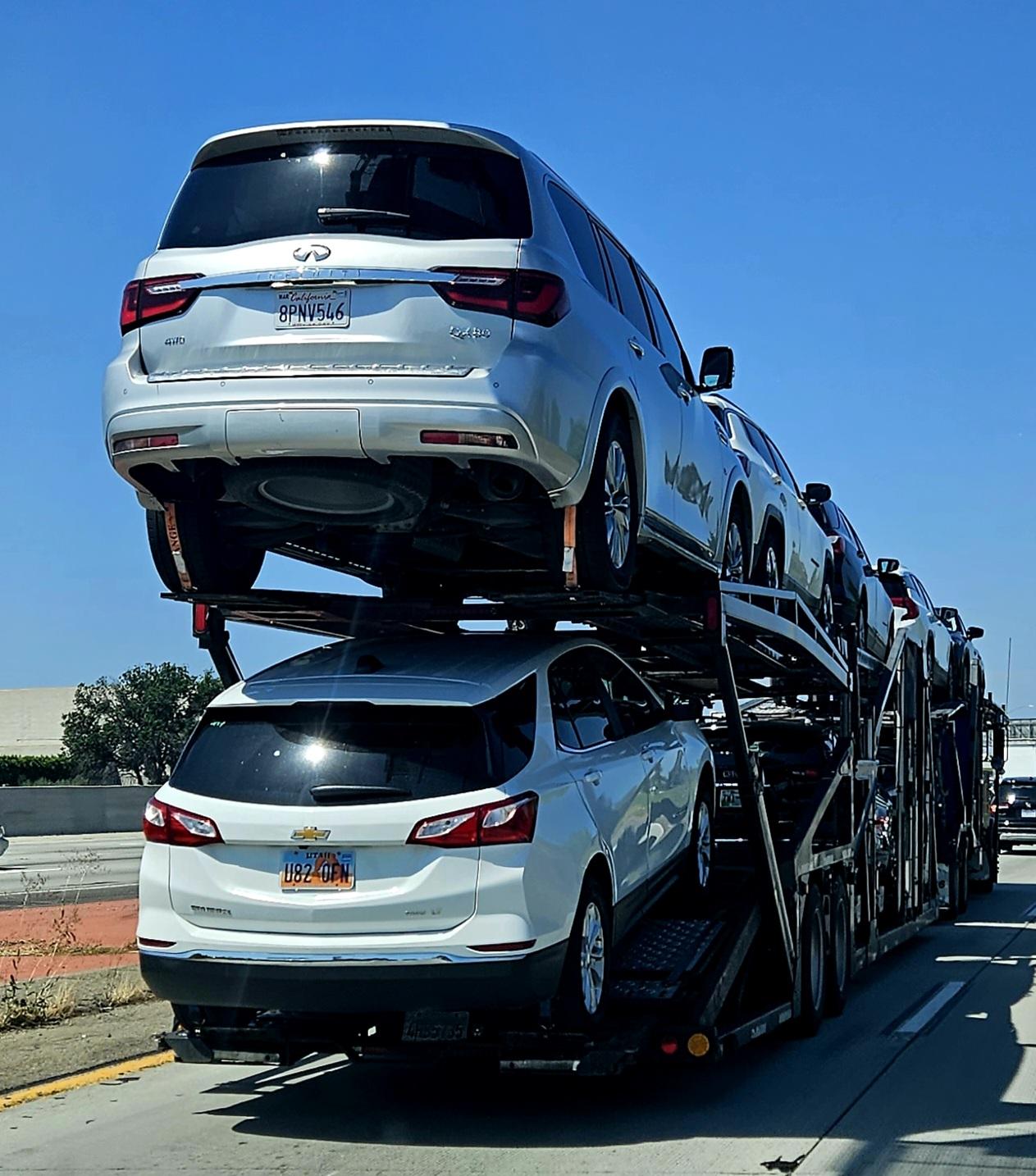
Give the provider the recipient’s contact details and ask what authorization is required if they are not the owner. Confirm when that person can attend and whether the property permits the proposed unloading.
Make the receiving responsibility explicit
If you are still travelling, appoint a substitute rather than assuming the car can be left without a handoff.
Ask the origin contact to send photographs and the signed collection record promptly. The North Carolina recipient should use those records when inspecting the vehicle, note any observed differences and keep the final paperwork. Agree in advance who follows up on a condition concern.
| Receiving responsibility | Resolve with the provider |
|---|---|
| Attend and inspect | Which named person may meet the truck and retain the condition record? |
| Change the appointment | Who can accept a revised date or unloading point? |
| Approve additional work | Which person may authorize a paid transfer or holding arrangement, and within what agreed limit? |
Do not assume the person inspecting the car is also the person who may approve extra spending. Share these instructions between the booking owner, provider and recipient before departure.
Fallbacks for a car being delivered to North Carolina
-
Authorize a receiver who can complete the handoff
Name who may inspect, sign and retain the delivery paperwork. If you are still travelling, arrange a substitute rather than assuming the vehicle can be left without a formal transfer of custody.
-
Give the receiver the origin condition record
The releasing contact should send photographs and the signed pickup report promptly. The North Carolina recipient can then compare the arriving vehicle with the documented starting condition.
-
Keep NCDMV work outside the delivery signature
If the shipment accompanies a permanent move, follow the current North Carolina process for licensing, title, registration and insurance as applicable. Those owner tasks are not completed when the carrier releases the car.
-
Define the origin before trusting a destination-state estimate
Supply the departure address, releaser, availability and vehicle condition together with the North Carolina endpoint. Price any alternate receiving point or extra movement needed after unloading.
Turn this plan into comparable transport options
Use the actual vehicle, pickup and delivery details, timing and handling needs so every quote starts from the same scope.

Prepare vehicle administration on a separate track
NCDMV’s new-resident guidance separates obtaining a North Carolina licence from titling and registering a vehicle. NCDMV new-resident guidance
If the shipment is part of a permanent move, follow the current NCDMV instructions for your circumstances and keep ownership and insurance records available. A temporary visit or a purchase may raise a different set of questions, so explain the intended use when seeking official guidance.
Do not ask the receiving contact to assume that unloading completes those steps. The transport agreement describes movement and release; the vehicle’s road-use documentation needs its own owner and schedule.
Define the origin before comparing transport offers
Supply the departure address, release contact, earliest genuine availability and vehicle condition. Ask whether the quoted equipment accepts any modifications or operating problems. Specify the North Carolina address and whether delivery ends there or at another agreed point.
If an alternate receiving location is proposed, determine how the car reaches its final parking place and include any additional assistance. Review the total, payment stages and cancellation terms with a clear process for changed appointments. A complete offer connects the releasing party to an informed recipient; a destination-state estimate alone cannot do that.