
Give the full New York address and ZIP code. Do not accept a quote or driver instruction that assumes New York City when your destination is elsewhere in the state. Confirm whether the service ends at the property, a terminal or another meeting point.
A state name is not a complete destination
-
If the address is in New York City
NYC DOT distinguishes truck routes and restricts commercial vehicles on most parkways. The carrier must plan a suitable approach for its equipment and proposed stop. Those city rules should not be presented as statewide restrictions, and a truck-route map does not authorize loading at a private property.
-
Organize the two handoffs
Arrange a California release representative if you travel before collection. Give the New York receiver the pickup photographs, inspection record and dispatch details. Ask for arrival notice and agree what happens if no authorized person can attend.
-
Keep the price attached to the accepted locations
Inspect the vehicle on arrival and use the carrier’s written claims procedure. No particular highway itinerary, city loading permission or fixed cross-country delivery time is asserted.
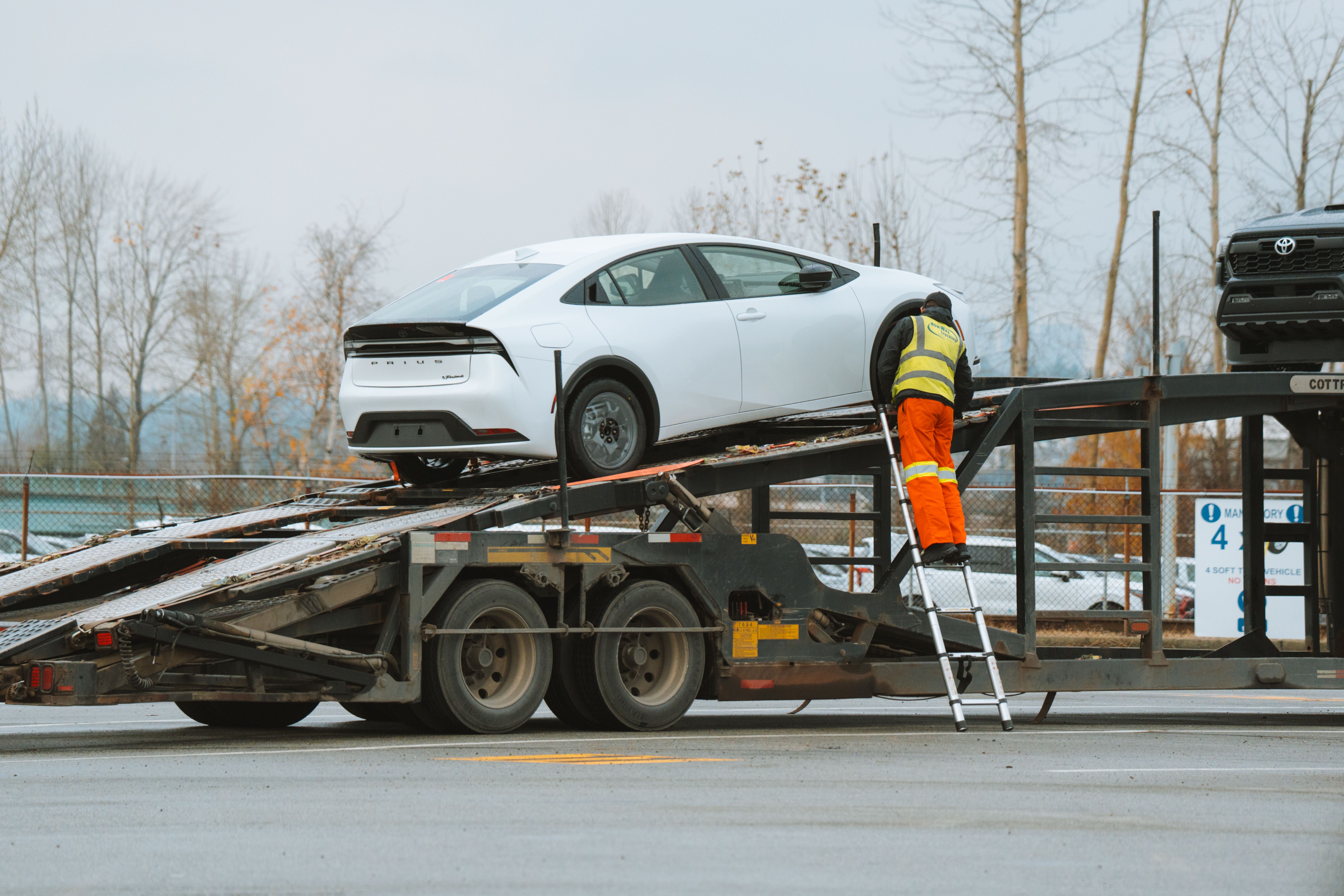
If the address is in New York City
NYC DOT reference
Build the quote around the exact New York handoff
A California-to-New York request becomes useful only when the carrier is pricing the same job you intend to receive. Put the California release address, New York delivery address, vehicle condition, running status, dimensions that affect loading, and the people available at both ends into the same request. If a provider proposes a nearby meeting point, ask why the property is unsuitable, who chooses the alternate location, how far the receiver must travel, and whether the price changes. That distinction matters more than a broad “California to New York” label because a residential street, dealership, storage facility, and dense city curb create different access and custody questions.
Separate schedule risk from custody risk
Long-distance timing is easier to manage when each person knows what happens if the estimate changes. The California releaser should know how much notice is required and whether another authorized person can step in. The New York receiver should have the dispatch contact, pickup condition record, and a plan for a late or early arrival. If the receiver cannot attend, decide before dispatch whether the vehicle may wait, move to an approved facility, or be handed to another named person. Do not leave that choice to an arrival-day phone call. A useful order identifies who has authority to approve a different handoff and what costs can arise from waiting or storage.
Turn this plan into comparable transport options
Use the actual vehicle, pickup and delivery details, timing and handling needs so every quote starts from the same scope.
Compare offers on the same transport assumptions
Ask competing providers to quote the same vehicle and the same endpoints. If one offer assumes open transport to an accessible meeting point while another assumes enclosed transport to a specific property, the totals are not measuring the same service. Confirm whether the carrying company is identified, whether transfers between carriers are expected, how payment is staged, and how cancellation or rescheduling works. For a modified, low-clearance, nonrunning, or unusually valuable vehicle, get the loading method accepted in writing instead of assuming a standard passenger-car setup. Cost questions are most useful after those variables are aligned; a low headline number can hide a different endpoint or equipment choice.
Close the move with evidence, not memory
Before pickup, remove loose personal items as directed by the operator, keep the necessary keys available, and create clear photographs of all sides of the vehicle and any existing damage. The person releasing the car should read the pickup condition record rather than signing automatically. Send that record and the photographs to the New York receiver before delivery. At arrival, compare the vehicle with the same evidence in adequate light, note discrepancies on the delivery paperwork when appropriate, and keep copies of the transport agreement, condition records, payment receipts, and any written change to the handoff location. That file is more useful than trying to reconstruct a cross-country move after a disagreement.
Questions worth settling before a California-to-New York booking
Ask the provider to name the pickup and delivery assumptions that could change after dispatch. Which company is expected to carry the car? Is the order priced for an address handoff or a larger meeting area? What vehicle condition would require different equipment? Who may approve a changed location, and how are waiting or storage charges handled if a representative is unavailable? If New York City is involved, ask the carrier to evaluate its commercial-vehicle approach rather than promising a curb that has not been reviewed.
Also decide what you will not make dependent on an estimate. A flight, apartment turnover, repair appointment, or same-day road trip can become difficult if the arrival window shifts. Build enough margin that the car can arrive within the provider’s stated process without forcing an unsafe or unauthorized handoff. The best cross-country plan is the one that still works when timing changes but the agreed custody, location, and inspection steps remain intact.
Keep the price attached to the accepted locations
- Vehicle condition and equipment choice stated.
- Any alternative delivery point specifically approved.
- Extra loading, waiting or storage charges identified.
- Payment and cancellation terms retained.