
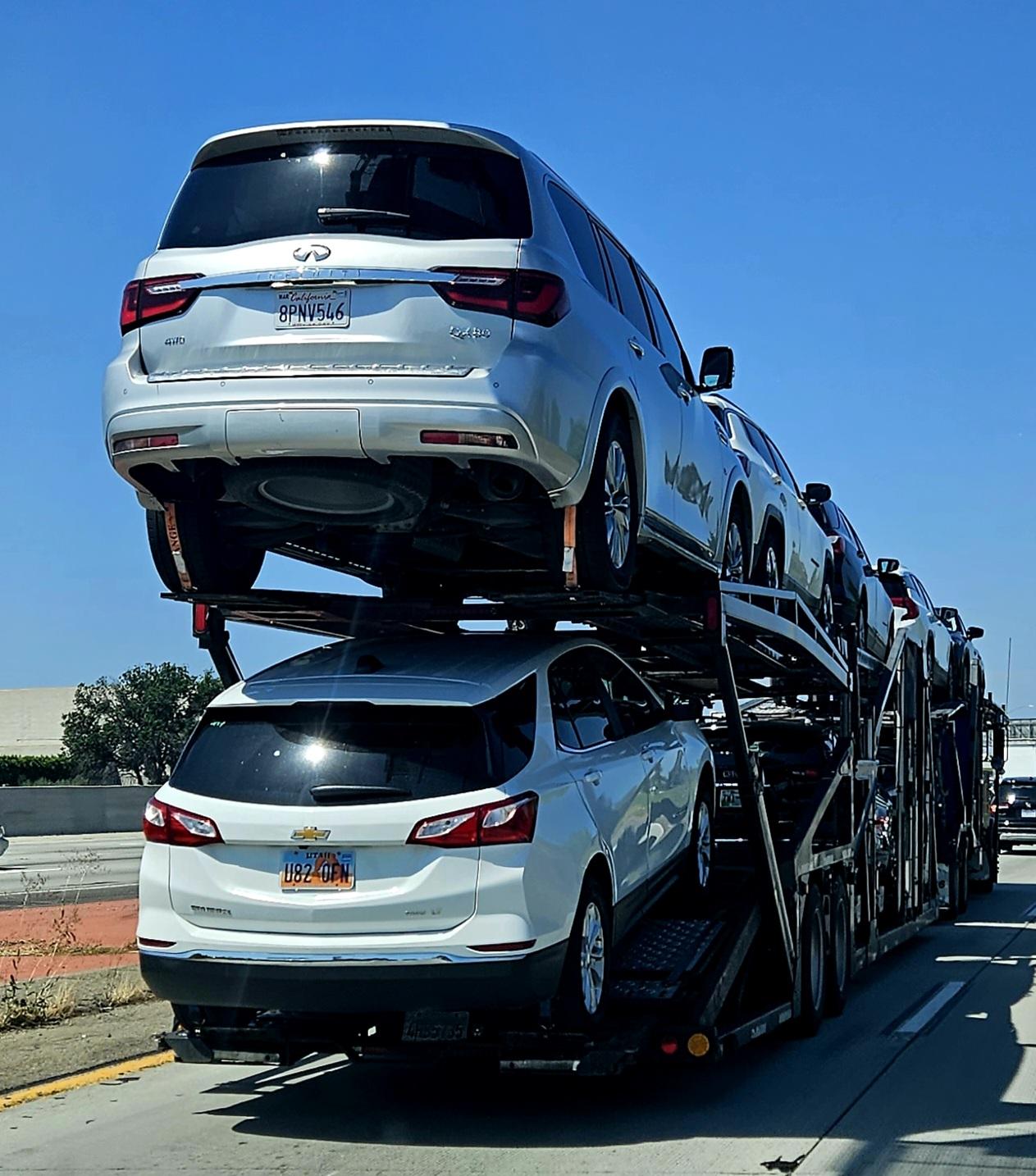
Quote the California collection and exact Colorado destination together. Include the vehicle’s dimensions and whether it can be driven onto the transporter. Ask whether the final stop is your property or a meeting point that the carrier has approved.
Give dispatch the real Colorado endpoint
-
Separate the transporter’s journey from your collection drive
CDOT publishes distinct information for passenger traction requirements and commercial chain rules. If you plan to drive the car away from the delivery point, check the rules and current conditions relevant to that drive. Do not assume the transporter’s equipment or route approval makes your own onward trip ready.
-
For a difficult property approach
Request an estimated collection window and the procedure for delivery updates, rather than inferring transit time from mileage. Confirm any deadline that is a contractual commitment. Have the Colorado receiver retain the pickup condition record and inspect before signing the delivery receipt.
-
Keep the arrival plan flexible enough to work
Compare written quotes for the same equipment, endpoints and vehicle condition. Resolve storage, extra handling and rescheduling terms before your California departure.

Separate the transporter’s journey from your collection drive
CDOT reference
Decide whether the Colorado address is really truck-accessible
The Colorado endpoint should be reviewed as a physical handoff, not just a map pin. Tell the provider whether the destination is an apartment garage, mountain property, gated community, business lot, or ordinary residential street. Mention steep grades, tight turns, low branches, posted restrictions, limited shoulder space, or a driveway that cannot accommodate a long transporter. The carrier can then approve the property or propose a larger legal meeting area. If a meeting point is needed, choose it before the vehicle leaves California and decide who will drive or tow the final short leg. A receiver who is not comfortable moving the car in local conditions should not discover that responsibility at delivery.
Plan the owner’s Colorado drive independently
The transporter’s route and equipment plan does not answer whether the delivered car is ready for your own trip. If the receiver will immediately drive into mountain weather, check current road and traction information for that passenger-vehicle trip and make sure the car itself is equipped for the conditions you expect to encounter. Verify fuel or charge level, tire condition, key availability, and any warning lights when the car is handed over. If the vehicle is arriving for repair, storage, or seasonal use instead of immediate driving, arrange that next destination separately. The important point is to keep the carrier’s job—moving the vehicle to the accepted handoff—distinct from the owner’s onward travel plan.
Turn this plan into comparable transport options
Use the actual vehicle, pickup and delivery details, timing and handling needs so every quote starts from the same scope.
Use scheduling windows as planning ranges
Ask how pickup and delivery estimates are updated, who sends those updates, and how much notice the Colorado receiver normally receives under the provider’s process. Do not schedule a flight, lease turnover, inspection, or mountain lodging around an estimated arrival as if it were a guaranteed appointment. If a date truly matters, ask whether the written agreement accepts it as a commitment and what remedy or alternative applies if it changes. Also establish a backup receiver where practical. A resilient plan has enough flexibility that a normal schedule adjustment does not force an unsafe meeting location or leave the vehicle without an authorized recipient.
Make each quote describe the same car
Provide accurate operating condition and dimensions, especially for lifted trucks, lowered cars, roof accessories, oversized tires, or vehicles that do not start, steer, roll, or brake normally. Ask whether open or enclosed equipment is proposed and how any special loading need is handled. Then compare total charges for the same California address, Colorado handoff, availability, and vehicle description. Review waiting, storage, rescheduling, cancellation, and payment terms rather than treating mileage as the only cost driver. At delivery, use the pickup condition record and photographs to perform a deliberate inspection before the car leaves the handoff area.
Check the transition from transporter to Colorado driver
If the vehicle will be driven immediately after delivery, the receiver should verify more than exterior condition. Confirm that the expected keys are present, warning lights are understood, tires appear serviceable, and the car has enough fuel or charge for the planned next leg. For a vehicle that has been stored or shipped after repair, consider whether the first drive should be short and local rather than immediately committing to mountain terrain.
If the vehicle will not be driven, decide how it reaches its next location. A carrier may be able to unload at an approved meeting point but that does not mean it includes towing, storage, or a second local movement. Name the person or service responsible for that step and make sure the chosen meeting area can support it. This avoids turning a successful long-haul delivery into an unresolved local logistics problem.
For a difficult property approach
- Send dispatch the access road, turn details and photographs.
- Ask whether seasonal access changes require another unloading point.
- Arrange permission and a receiver at any alternative location.
- Agree what happens if the proposed stop becomes inaccessible.