
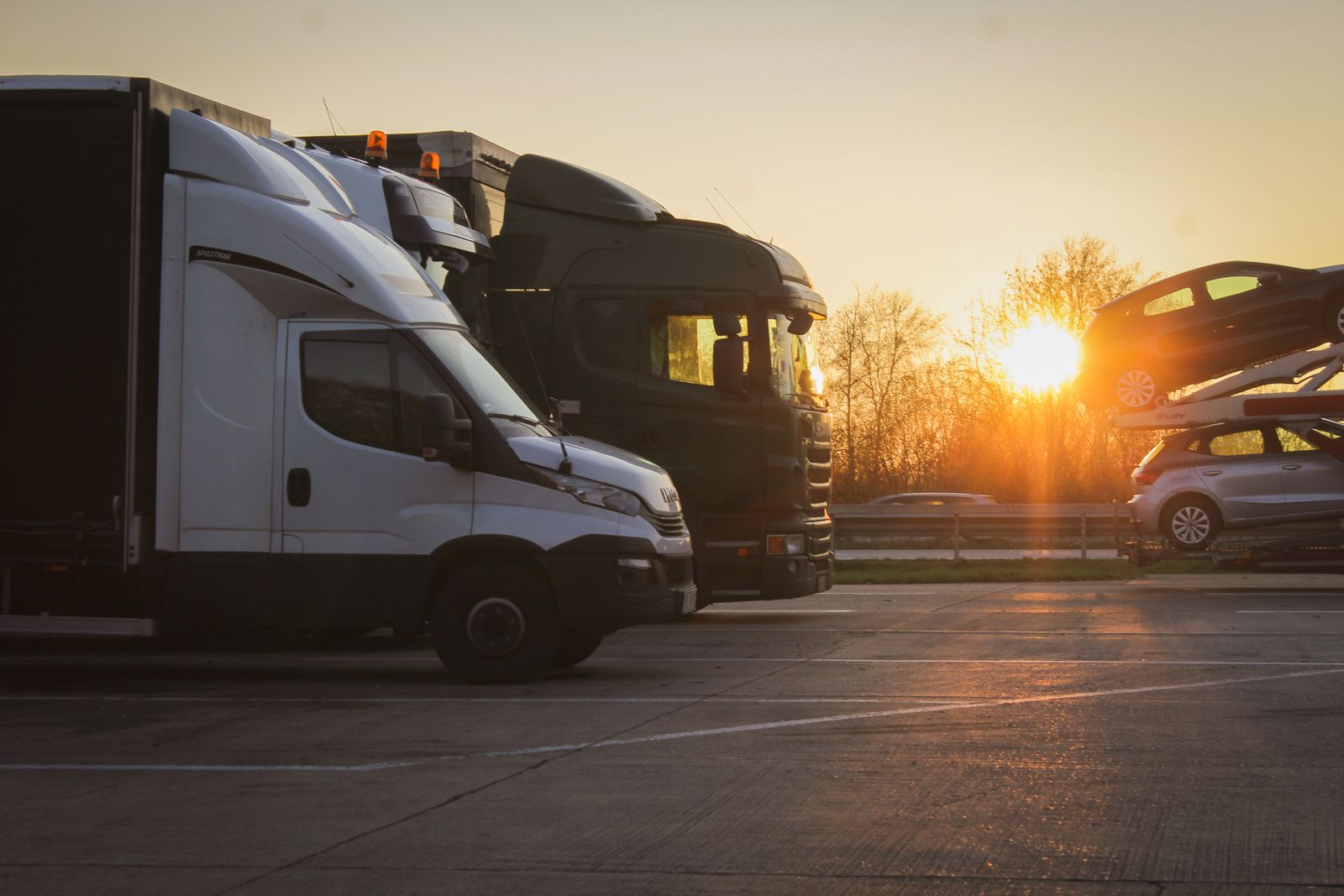
Seattle identifies a network of major truck streets for freight movement. Ask the operator to use appropriate routing information when reviewing your address. The network does not prove that a residential entrance or final turn accommodates the assigned transporter.
A truck street gets the vehicle closer, not necessarily to your door — route planning checks
-
If property delivery will not work
Seattle distinguishes types of load zones and their rules. Have the carrier confirm that the intended stop suits the operation and applicable restrictions. Do not assume any marked load zone is long enough, available at arrival or authorized for your specific handoff.
-
Keep the California handoff synchronized
Confirm release readiness, car condition and pickup window. Send the collection report to the Seattle receiver and ask for adequate arrival notice. Review equipment, payment, coverage and cancellation terms on the full delivery proposal. No particular California origin, highway route or transit duration is assumed.
A truck street gets the vehicle closer, not necessarily to your door
Seattle DOT reference
Treat Seattle access as a last-mile design problem
A major truck street can help a transporter approach the neighborhood, but it does not settle the final turn, curb space, grade, overhead clearance, or legality of stopping at your exact address. Give the carrier the real destination and any known constraints before dispatch. Ask whether the assigned equipment can reach the property and, if not, what kind of nearby location would work. A useful alternative has enough room for the transporter, is legal for the activity, and is practical for the receiver to reach. Do not select a load zone or commercial curb simply because it looks open on a map; the provider and receiver still need a lawful, workable handoff plan.
Make the receiving person ready for a moving window
Seattle delivery should not depend on one person being free at one exact unconfirmed hour. Ask how much notice the carrier gives and whether updates arrive from dispatch or the driver. If the primary receiver has work or travel constraints, name a backup who can inspect and sign. Decide whether either person can move the vehicle from an alternate handoff and what happens if nobody can attend. Waiting, storage, or rescheduling rules belong in the booking discussion, because those are the consequences that matter when a long-distance estimate shifts.
Keep California release details consistent
The pickup side should use the same vehicle description that appears in the quote: operability, modifications, clearance, dimensions where relevant, and any special loading need. Give the release person keys, authorization, the expected pickup window, and instructions for documenting condition. If the owner leaves California before collection, the substitute representative should know what has and has not been approved. A driver who arrives to a different car condition or inaccessible property may need a new plan, and that can disrupt both the schedule and the price assumptions.
Turn this plan into comparable transport options
Use the actual vehicle, pickup and delivery details, timing and handling needs so every quote starts from the same scope.
Compare offers by what happens at the edges
Two cross-state proposals can look similar until you examine collection and delivery. Ask whether the price assumes address service, a meeting point, or a facility; whether open or enclosed equipment is planned; who handles schedule changes; and whether transfers between carriers are possible. Review payment stages, cancellation, waiting, and storage terms. At delivery, inspect the car against the California record before leaving the handoff location. Keeping the access plan, equipment choice, and custody process in the comparison is more useful than choosing by a single total that may reflect different assumptions.
Test the Seattle fallback before you need it
Ask the carrier what characteristics it needs in an alternate meeting location: turning space, legal stopping, surface condition, and room to operate ramps. Then identify one or two types of places near the destination that could satisfy those requirements if the property becomes unsuitable. Do not reserve or assume a specific private lot without permission; the point is to understand the fallback criteria before arrival.
The receiver should also know whether the vehicle can safely leave that alternate location. If the car is nonrunning, has temporary mechanical limits, or the owner is not present, arrange the onward movement separately. If the car is immediately entering a garage or storage facility, confirm that facility’s access hours and who will hold the keys. A Seattle delivery plan is complete only when the transporter and receiver both know how the handoff ends.
Reconfirm the Seattle address after a carrier is assigned
Once dispatch identifies the actual carrier, send the exact Seattle address and access notes again and ask the operator to confirm the handoff. This matters because equipment size and local approach can differ by carrier. If the assigned transporter proposes a different meeting area, evaluate that location before the vehicle leaves California. The receiver should know how to reach it, whether the car can be moved from it, and who pays for any extra local movement.
Check what the proposed loading space permits
Seattle DOT reference
If property delivery will not work
| Alternative | Resolve |
|---|---|
| Agreed meeting place | Permission, receiver travel and vehicle drivability |
| Facility handoff | Opening hours, release documents and storage |
| Separate local transfer | Operator, price and custody record |
Alternative: Agreed meeting place
Resolve: Permission, receiver travel and vehicle drivability
Alternative: Facility handoff
Resolve: Opening hours, release documents and storage
Alternative: Separate local transfer
Resolve: Operator, price and custody record