
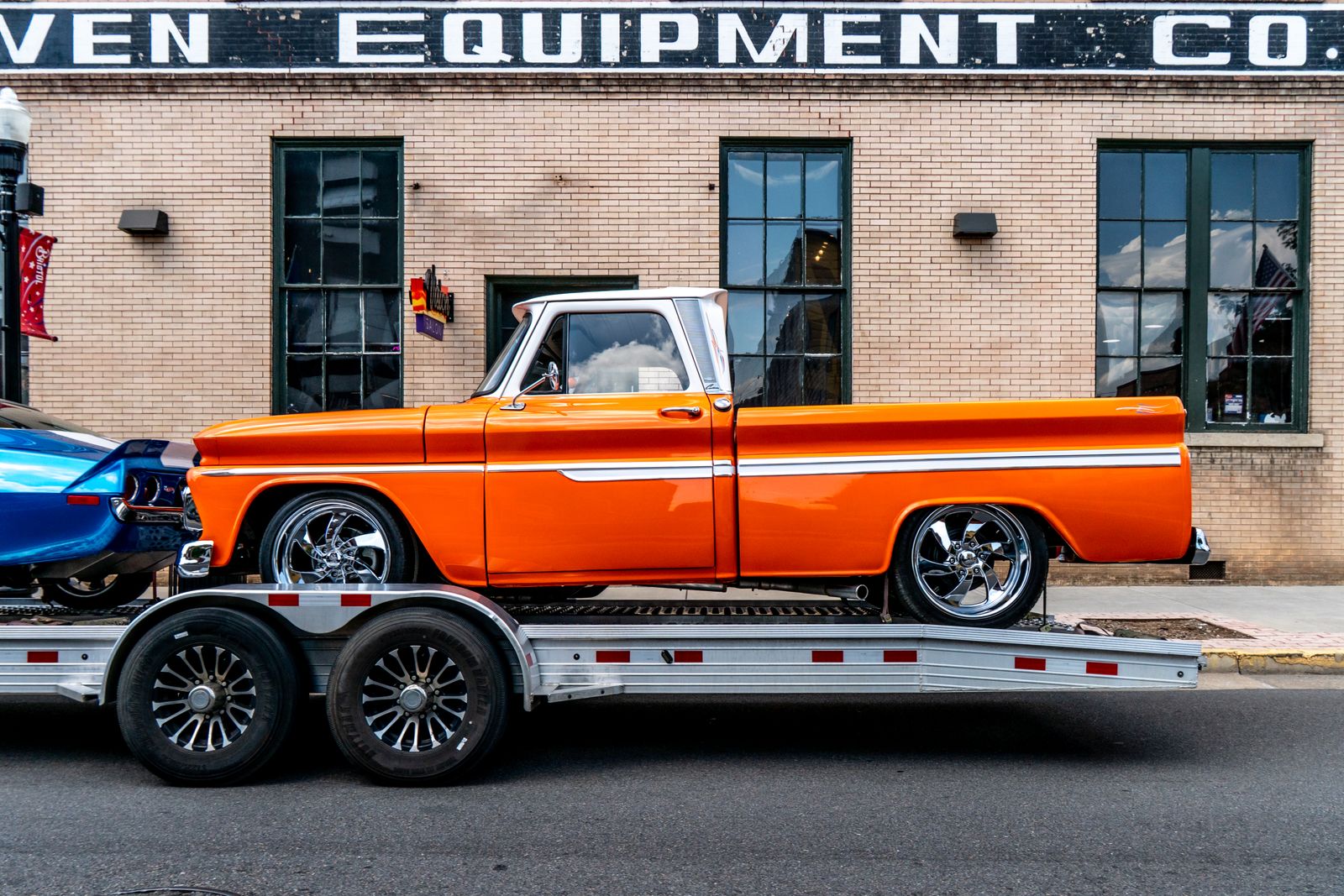
Seattle offers Temporary No Parking zones and states that vehicles occupying the zone need a Restricted Area Permit. Confirm the applicable process with the city and operator for the proposed activity; a reservation alone should not be treated as every permission needed.
Check whether a reservation is needed and usable — route planning checks
-
Prepare the person meeting the truck
Ask who arranges the space and how its dates align with a flexible delivery window. Where a private property can receive the truck, get its approval instead of assuming a city permit solves private access.
-
Create a Dallas release packet
Give the collector the vehicle location, releaser, hours and seller authorization where applicable. Disclose condition and clearance issues and ask for the accepted carriage method. A car that cannot drive away at arrival also needs an appropriate Seattle receiving plan.
-
Price the agreed delivery scope
Send pickup photographs, the condition record and the carrier contact to the recipient. Allow a handoff arrangement where condition can be checked, and explain how to document and report a discrepancy.
-
Compare offers using the same Seattle handoff and Dallas readiness date
Compare offers using the same Seattle handoff and Dallas readiness date. Identify assignment responsibility and review payment, cancellation, waiting and storage. Ask who can approve a different unloading point and how additional costs will be authorized.
-
No booked curb space
No booked curb space, live carrier availability or exact lane duration is represented here.
Check whether a reservation is needed and usable
Seattle Department of Transportation reference
Define the Seattle receiving space before the Dallas pickup
Do not wait until the car is already northbound to decide where a transporter can unload in Seattle. Give the provider the exact receiving address, property type, access hours, and any known curb or garage constraints. Ask whether the equipment assigned to the vehicle can reach that location. If the answer is no, agree on a legal meeting place with enough room to unload and make sure the receiver can get there. A nearby parking area is not automatically available for commercial vehicle transfer, so the carrier and customer should approve a workable location instead of relying on an informal assumption.
Make Dallas release independent of your own departure
If you will leave Texas before the carrier arrives, appoint someone who can release the car, provide keys, and review the pickup condition record. For a vehicle at a dealership, apartment, office, or storage facility, confirm the correct entrance and business hours. Give the representative the booking contact and clear instructions about what changes they may approve. A pickup window can move; a good release plan prevents that normal uncertainty from turning into extra waiting or a missed collection.
Turn this plan into comparable transport options
Use the actual vehicle, pickup and delivery details, timing and handling needs so every quote starts from the same scope.
Use the quote to expose handling differences
State whether the car starts, rolls, steers, and brakes normally, and disclose modifications or clearance issues. Ask whether open or enclosed equipment is proposed and how any special loading requirement is handled. Compare written offers using the same Dallas collection, Seattle handoff, vehicle description, and availability. Then review payment stages, cancellation, rescheduling, waiting, storage, and the identity of the carrying company. A cheaper proposal may not be cheaper if it assumes a different endpoint or excludes a handling need that another provider has included.
Prepare the receiver to close the custody chain
Create clear pickup photographs and keep the signed condition record. Send both to Seattle with the latest arrival instructions. The receiver should know what notice to expect, where the meeting will occur, and what to do if a discrepancy is found. Inspect before the vehicle is moved away from the handoff area, note concerns through the carrier’s process, and retain the delivery record. If the vehicle will immediately enter storage, repair, or another transfer, document that later custody separately so the transport handoff remains clear.
Use a Dallas-to-Seattle booking checklist that can survive reassignment
Orders can move from a sales contact to dispatch and then to a driver. Put the facts that must survive those handoffs in writing: exact addresses, receiver and releaser contacts, operating condition, modifications, approved equipment, and any alternate meeting-point agreement. If the assigned carrier changes, verify that the new operator has the same information rather than assuming the notes transferred perfectly.
Keep a copy of the accepted order and compare any revised dispatch document against it. A change in carrier should not silently become a change in destination, equipment, or customer responsibility. If something material changes, ask for the new term and any price effect in writing. This is especially useful on a long route where the people involved at pickup and delivery may never speak directly to each other.
Close the loop on Seattle parking and onward movement
The receiver should know where the vehicle will go immediately after unloading. If the meeting point is not the final property, confirm that the car can be driven from it and that the receiver has a lawful place to keep it. For a nonrunning or newly purchased vehicle, arrange towing or another local movement in advance. The long-haul delivery is complete only when the customer has a realistic next step after the transporter departs.