
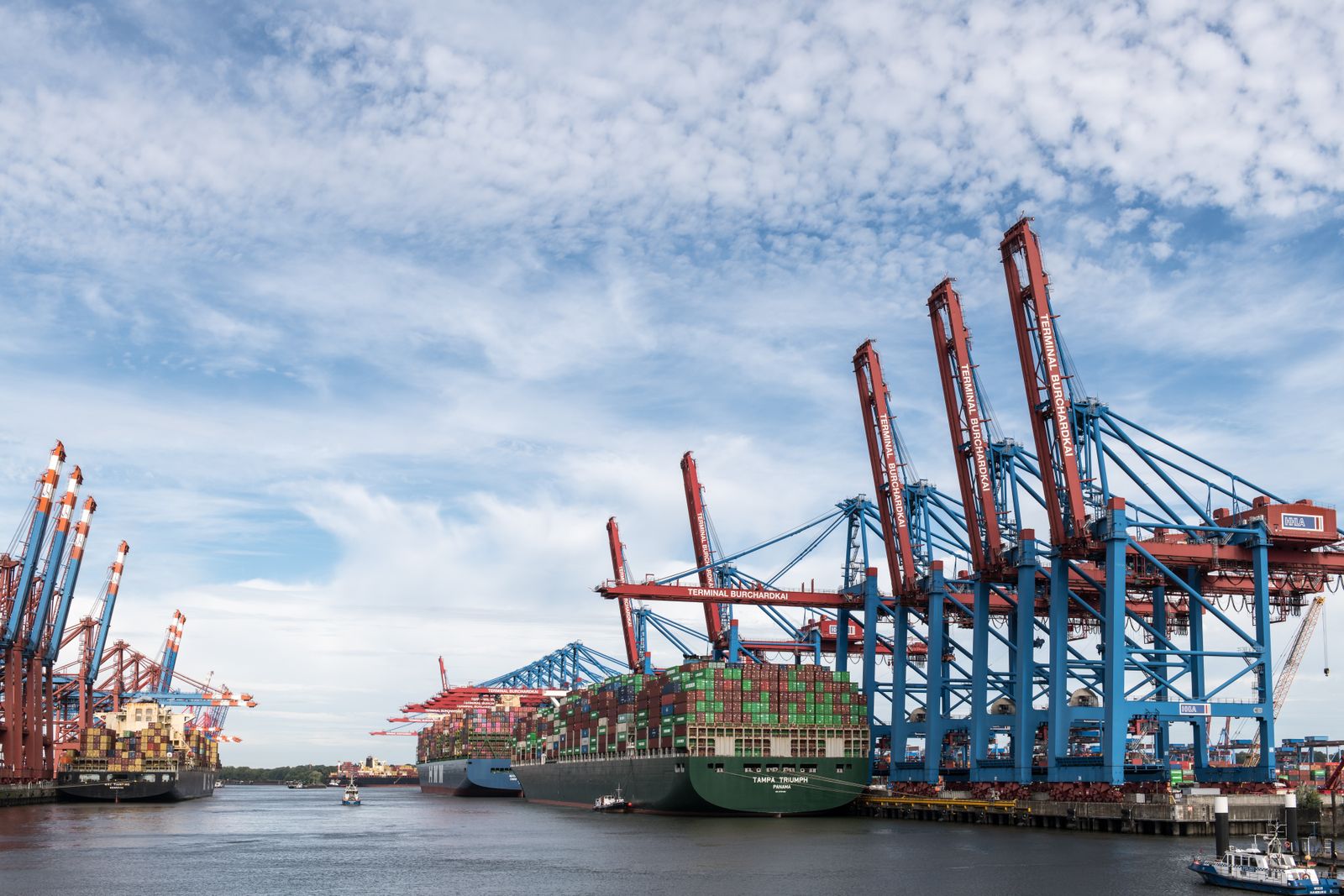
Matson’s Hawaii car-shipping information lists mainland ports including Oakland and Long Beach. Those are examples from that operator’s network, not a claim that every Florida shipment uses the same terminal. Ask your chosen service to name the actual departure and receiving facilities. Matson
Require a named itinerary rather than a single state pair
-
Prepare for the sea carrier before Florida collection
Decide whether one provider coordinates the entire journey or whether you will contract separately for the Florida road leg and sea booking. With separate contracts, identify who delivers the car to the port, supplies the booking reference and resolves a rejected or late arrival. Specify the destination island; onward movement must be confirmed rather than inferred.
-
Work backward from a receiver who can act
Matson publishes its own vehicle-preparation requirements and reserves the right to reject a vehicle unsuitable for safe handling. Read the instructions for the actual booking, including contents, fuel, condition and documentation. Another carrier’s checklist is not a substitute. Matson
-
Expose charges between the advertised endpoints
Tell both operators about nonrunning condition, modifications, leaks and unusual size before paying. A road transporter agreeing to load the car does not establish ocean acceptance. If someone other than you delivers it to the terminal, confirm that person has the required authorization and paperwork.
-
Ask when free storage ends
Ask when free storage ends, which party receives arrival notices and who pays if the mainland truck misses acceptance. Keep insurance and claims responsibility clear at the terminal handoff. Do not add two advertised rates without checking their boundaries.
-
Name the Hawaii collector and confirm the operator’s identification and release
Name the Hawaii collector and confirm the operator’s identification and release procedure. Arrange transport away from the terminal if the car cannot be driven immediately. Vehicle registration and permission to use it on public roads require their own checks with the relevant Hawaii authority; freight release does not complete those tasks.
-
Photograph the car
Photograph the car before Florida collection and keep condition reports for the port and final receipt. Ask how schedule changes are communicated across operators. Avoid fixing a flight or essential appointment to an estimated vessel arrival alone.
Expose charges between the advertised endpoints
| Segment | Check in the proposal |
|---|---|
| Florida to departure port | Pickup scope, terminal delivery and waiting |
| Ocean booking | Vehicle classification, freight and surcharges |
| Transfers | Handling, storage and any island connection |
| Final collection | Release requirements and onward delivery |
Segment: Florida to departure port
Check in the proposal: Pickup scope, terminal delivery and waiting
Segment: Ocean booking
Check in the proposal: Vehicle classification, freight and surcharges
Segment: Transfers
Check in the proposal: Handling, storage and any island connection
Segment: Final collection
Check in the proposal: Release requirements and onward delivery
Turn this plan into comparable transport options
Use the actual vehicle, pickup and delivery details, timing and handling needs so every quote starts from the same scope.
Identify every custody transfer before the Florida pickup
A Florida-to-Hawaii shipment is not one continuous road haul. Write down who collects the vehicle in Florida, where the road leg ends, who accepts it for the ocean movement, which party controls documentation at the terminal, who receives the vehicle in Hawaii, and whether another road carrier handles the final island delivery. Ask whether one contract coordinates the whole chain or whether you are buying separate services. If separate companies are involved, record where responsibility changes and which contact resolves a missed connection. The most important planning question is not a guessed sailing or transit time; it is whether every handoff has an owner.
Confirm island and terminal before treating a quote as complete
“Hawaii” is not a single delivery point. State the island and the intended terminal or final destination. If the vehicle must move between a mainland property and a port, or from a Hawaiian terminal to another island location, identify those legs explicitly. Ask what the quoted total includes and which movement, terminal handling, storage, or onward delivery could be separate. A price that ends at port release should not be compared directly with one that includes a final road transfer without adjusting for the missing leg.
Prepare the vehicle for terminal acceptance, not only truck pickup
Road carriers and ocean operators can have different acceptance requirements. Obtain the current instructions for the specific ocean service before pickup and make sure the Florida release condition will satisfy them. Resolve keys, fuel or charge requirements, alarms, personal property, vehicle operability, dimensions, and any documentation requested for terminal acceptance. If the car is modified or nonrunning, ask whether the ocean leg accepts it and what special handling is necessary. Do not send a road carrier toward a terminal until you know the terminal can receive the vehicle in that condition.
Build an evidence chain across road and ocean legs
Create photographs and a condition record before the first Florida handoff. At each transfer where inspection is available, keep the receipt or condition document rather than treating the whole journey as one undifferentiated move. Give the Hawaii receiver the earlier records before release. At final receipt, inspect before moving the car onward and note discrepancies according to the responsible provider’s process. Multiple handoffs make timestamps and custody documents especially valuable because they help locate when a condition change could have occurred.
Plan for a missed connection without inventing urgency
Ask what happens if the Florida road leg arrives after an ocean cutoff, if the sailing schedule changes, or if the Hawaii receiver cannot attend the release window. Identify storage rules, rebooking responsibility, and the person who communicates changes. Keep flights, lodging, and onward appointments flexible unless a provider makes a written commitment. A robust Hawaii plan assumes that schedule changes are possible and defines the fallback before the vehicle is between modes.