
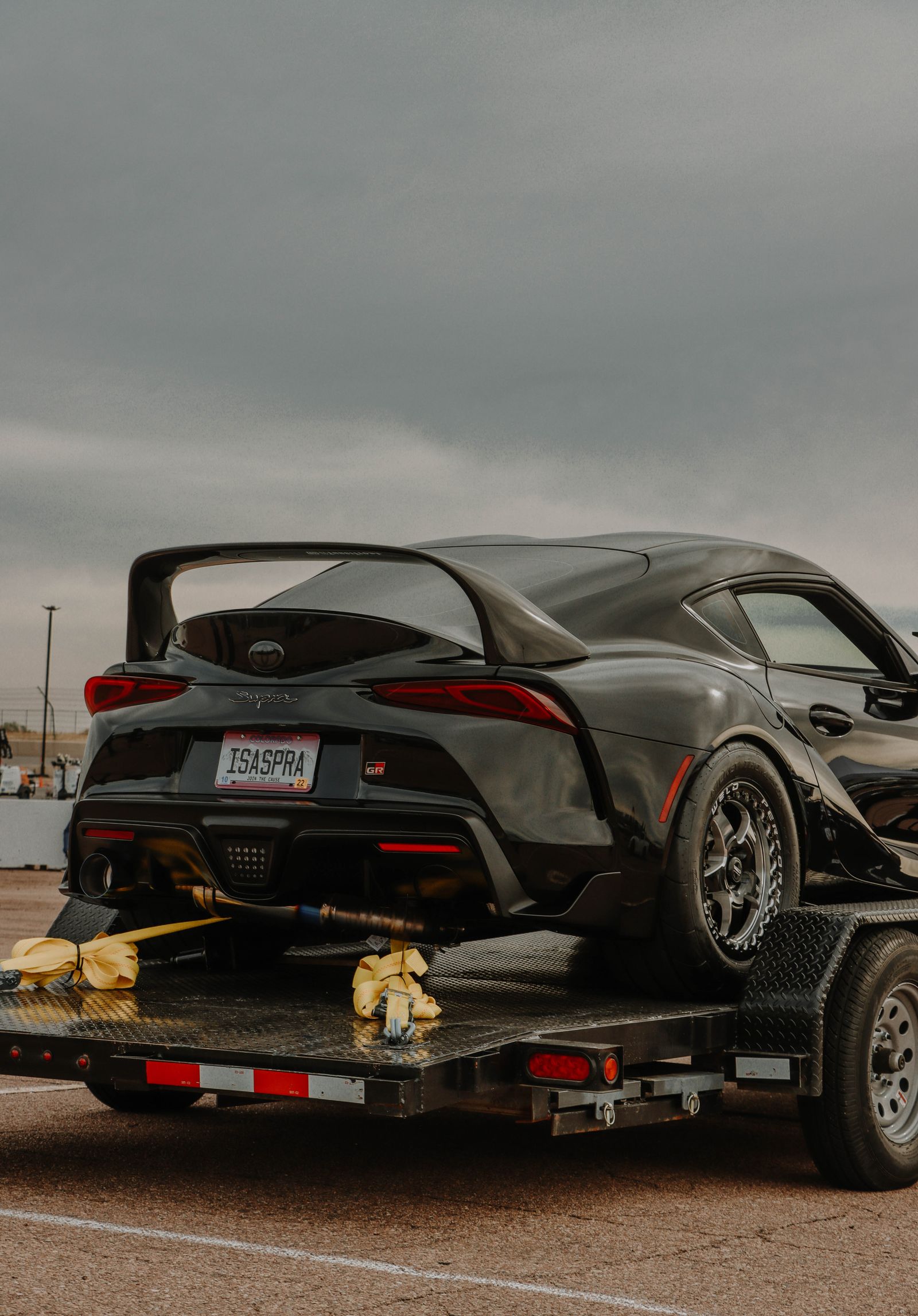
State the Washington address explicitly and identify the property contact. Describe restricted gates, narrow approaches or an unloading area that needs permission. If the transporter cannot reach it, agree a usable meeting point and the car’s onward movement.
Give the receiving town, postcode and access details
-
Ask whether any ferry travel is actually planned
A mainland terminal price may be useful, but it is not automatically delivery to every part of the state. For a nonrunning car, ask what equipment is needed after unloading. Include that last transfer in the budget rather than assuming the recipient can drive away.
-
Coordinate the Florida release with a distant receiver
Washington State Ferries publishes commercial and oversized-vehicle guidance. If a bidder proposes using a ferry with its transporter, have it confirm the applicable acceptance and booking arrangements. Do not add a ferry to the itinerary yourself or assume a passenger reservation covers the truck. Washington State Ferries
-
Compare the whole contract and preserve evidence
Ask whether the car stays on one carrier, transfers to another vehicle or enters storage. Identify who communicates changes and records condition at custody transitions. The term door-to-door alone does not answer those questions.
-
Disclose model
Disclose model, dimensions, condition and clearance issues. Select the protection needed and get the equipment accepted. Clear any seller or storage release requirement, keep keys with an authorized contact and follow the contents policy.
-
Ask which pickup and arrival dates are estimates
Ask which pickup and arrival dates are estimates, and explain an essential deadline before booking. Nominate a Washington backup receiver if your travel is uncertain. Obtain waiting and storage terms for a failed appointment or inaccessible property.
-
Request a total including all agreed local legs
Request a total including all agreed local legs, deposits, balance and cancellation provisions. Identify the arranging business and performing carrier. Ask about coverage and claims responsibilities for the described itinerary.
-
Photograph the vehicle in Florida and send the pickup condition record
Photograph the vehicle in Florida and send the pickup condition record to the recipient. Arrange adequate time and light to inspect at delivery. Keep approved route-scope, handoff and price changes with the order until the move is completed.
Specify which Washington destination the Florida quote must reach
Washington state covers very different receiving environments, so name the city, street, property type, and receiver rather than accepting a quote built around the state name alone. A Seattle-area urban handoff, eastern Washington residence, dealership, storage facility, or rural property can change access and the final driving requirement. Ask the carrier to approve the destination or identify an alternate meeting point. If a final local movement will remain after the long-haul delivery, assign that responsibility and cost before the vehicle leaves Florida.
Prepare the Florida origin as a real operating pickup
Tell the provider whether the vehicle is at a home, condo garage, business, auction, dealer, repair facility, or storage lot. Confirm the correct entrance, hours, keys, and release authority. If you will not be present, give a representative the pickup instructions and authority to review the condition report. Describe whether the car starts, rolls, steers, and brakes normally and disclose modifications that affect loading. A long route should not begin with an avoidable pickup failure caused by an inaccessible property or inaccurate vehicle description.
Turn this plan into comparable transport options
Use the actual vehicle, pickup and delivery details, timing and handling needs so every quote starts from the same scope.
Separate route timing from weather and onward travel choices
Ask how the carrier communicates its pickup and delivery estimates and whether the Washington receiver will receive direct notice. If the recipient intends to drive the car immediately into seasonal conditions, mountain passes, or another region, evaluate that separate passenger-vehicle trip using current conditions at the time. The transporter’s ability to reach the agreed delivery does not prove that the owner’s next drive is appropriate. Keep travel and appointment plans flexible until the vehicle is physically available unless the provider has accepted a specific written commitment.
Compare offers on total handling
Use the same Florida address, Washington handoff, vehicle condition, and equipment preference for each quote. Ask whether open or enclosed service is proposed, whether transfers between carriers are expected, who the actual carrier is, and what charges can arise for waiting, storage, rescheduling, or a changed meeting point. Review cancellation and payment terms. A route estimate becomes useful only when you know which services the total includes and which customer tasks remain outside it.
Give Washington the pickup evidence before arrival
Photograph the car at Florida release, retain the signed condition record, and send those materials to the receiver. At delivery, inspect before the vehicle leaves the handoff area and use the carrier’s stated process for any discrepancy. If the car is immediately transferred to another carrier, mechanic, storage site, or family member, create a separate record for that later custody. Keeping the long-haul delivery distinct makes both the transport and the next step easier to verify.
Decide who owns the final Washington-mile problem
If the long-haul transporter cannot reach the property, the remaining distance becomes a customer logistics task unless the order says otherwise. Decide whether the receiver can drive the vehicle, whether another local carrier or tow is needed, and where the transfer can occur. For a nonrunning car, choose a site where the unloading and next loading operation can both be performed safely. Do not approve an alternate point merely because it is close on a map.
Document the alternate location and any additional charge before arrival. The receiver should receive the same information as dispatch. If the owner is still traveling, authorize the receiver to complete only the decisions you are comfortable delegating. This keeps the final Washington handoff controlled even if weather, access, or schedule conditions require a practical change.