
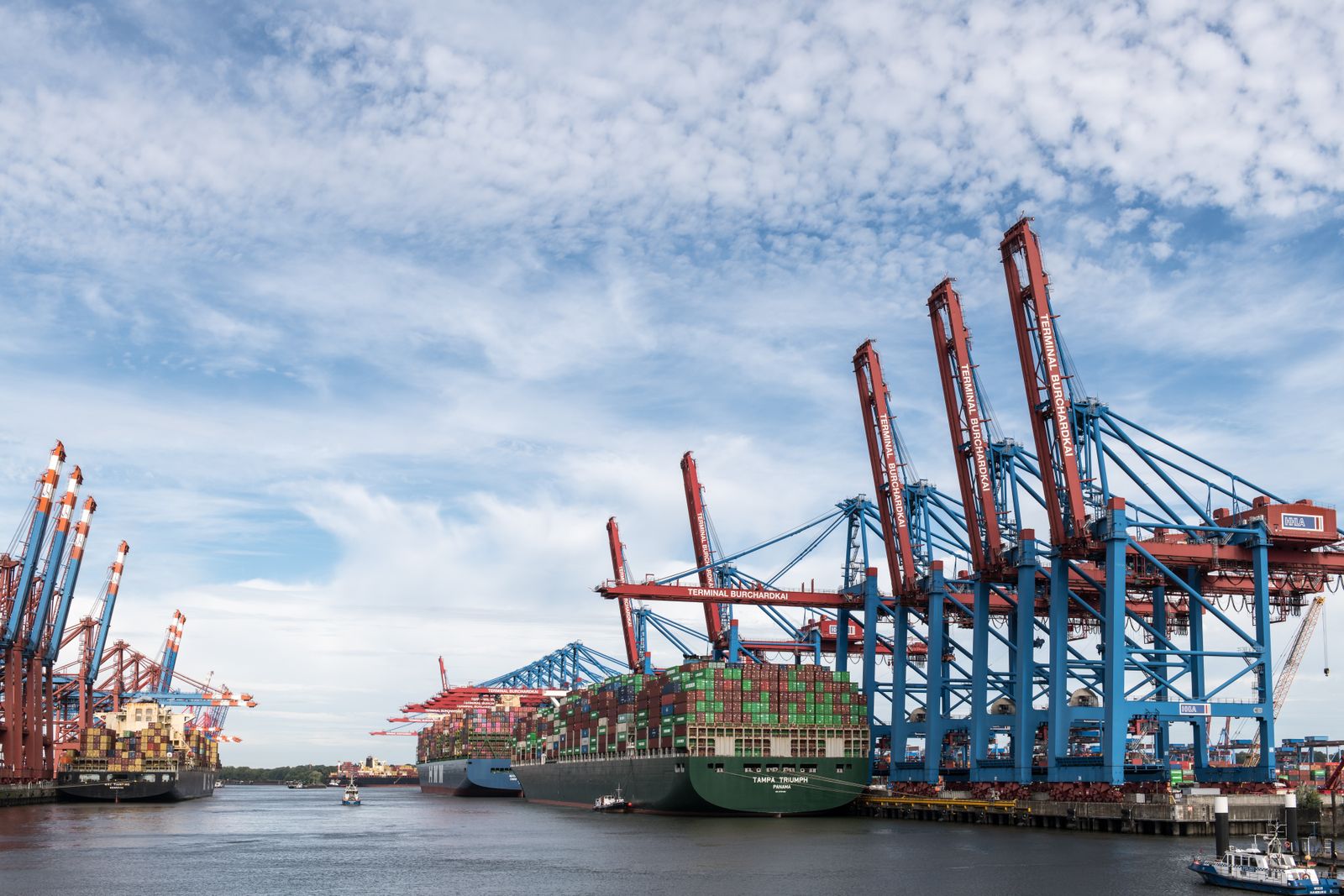
Ask for the origin island, departure facility, mainland arrival facility and final North Carolina handoff. Do not assume a direct sailing or a particular mainland port. Identify who receives availability notices and who can reschedule the road pickup if the sea leg changes.
Choose a coordinator before combining prices
-
Ocean acceptance needs its own preparation
With separate providers, obtain their acceptance of the transfer before paying both. The inland driver needs the correct booking reference, authorization and facility appointment. Ask which party pays storage if collection cannot happen when the car becomes available.
-
Resolve Hawaii-origin documentation
Pasha’s eastbound vehicle guidance distinguishes owner, registration and ownership/lien documentation. Use your booked operator’s full checklist, including authority for any absent owner or third-party deliverer. Check names and VIN against the booking. Pasha Hawaii
-
Budget the full connection
Do not leave a missing lender letter or recent-purchase document to be solved on drop-off day. Ask who reviews documents and when acceptance is confirmed. Keep the authorized mainland collector identified as carefully as the person releasing the car in Hawaii.
-
Prepare the North Carolina property and receiver
Pasha’s shipping checklist requires a driveable, clean vehicle without leaking fluids. Requirements are operator-specific, so disclose faults and modifications and obtain acceptance for the service you buy. Ask explicitly about EV/PHEV eligibility and battery condition rather than assuming ordinary car acceptance applies. Pasha Hawaii
-
Follow fuel
Follow fuel, battery and contents instructions from the booking. Photograph the car before departure and require a condition record at the mainland transfer. Ask how liability and claim procedures change between terminal handling, sea carriage and the inland truck.
-
Describe gates
Describe gates, steep or narrow approaches and the unloading space. Have the road carrier accept the site, or price a permitted alternative and onward movement. DriveNC provides current closures and incident information for discussing a relevant disruption; it does not approve the truck’s private-property access. NCDOT
-
Nominate a receiver and backup contact
Nominate a receiver and backup contact, and allow time for inspection against the earlier condition records. If the vehicle cannot be driven immediately, arrange the next movement rather than leaving it at an unsuitable handoff.
-
Add Hawaii local handling
Add Hawaii local handling, sea freight, mainland release, cross-country carriage and final local work. Obtain waiting, storage, cancellation and payment terms from every operator. A complete comparison preserves the same endpoints and vehicle condition across proposals.
Write the Hawaii-to-North Carolina move as a custody map
List each point where another person or company takes possession: island pickup if needed, Hawaiian terminal, ocean carrier, mainland terminal, mainland road carrier, and North Carolina receiver. For every transfer, record the location, contact, required document, and what condition evidence should be created. Then identify which company coordinates a missed connection. This prevents the common planning gap in which everyone understands their own segment but nobody owns the transition between sea and road.
Turn this plan into comparable transport options
Use the actual vehicle, pickup and delivery details, timing and handling needs so every quote starts from the same scope.
Confirm that the vehicle can enter the ocean leg
Use the current instructions for the specific terminal and ocean operator. Verify keys, documents, operating condition, personal-property restrictions, alarms, fuel or charge requirements, dimensions, and any rule affecting modified or nonrunning vehicles. If the car must travel from a residence to the terminal first, do not book that road movement until terminal acceptance is understood. The island carrier needs to deliver a vehicle the ocean service can actually receive.
Choose the mainland connection before the vessel arrives
North Carolina is not reached directly by the ocean leg, so decide how the vehicle will move from mainland release to the final destination. Confirm which terminal releases it, who is authorized to collect it, whether a long-haul road carrier is assigned, and how schedule changes are communicated. Avoid booking the mainland truck against a guessed release time. Ask what happens if the vessel or terminal release changes and whether storage charges can accrue before the road carrier arrives.
Design the North Carolina handoff around the actual property
Give the road carrier the exact final address, receiver, hours, and access constraints. A rural property, urban street, dealership, gated community, military area, or storage site may require a different meeting plan. If the long transporter cannot reach the property, approve an alternate location and decide who drives or tows the last short leg. For a nonrunning vehicle, make sure that final handoff supports the equipment needed to unload and move it.
Preserve condition evidence across all legs
Photograph the car before its first Hawaii handoff and keep each terminal or carrier condition record. Send the earlier evidence forward so the mainland and North Carolina receivers can compare it. If custody changes from ocean service to road carrier, inspect where practical and document the transition. At final receipt, review the vehicle before signing and follow the responsible provider’s reporting process for any discrepancy. Multiple custody points make a chronological record essential.
Decide how the North Carolina receiver will recognize a complete delivery
The final receiver should know which keys, documents, accessories, and condition records are expected after the ocean and road legs. Send the sequence of prior handoff records before arrival. If the vehicle was released from the mainland terminal to a road carrier, include that transfer evidence too. The receiver can then inspect against a chain of records instead of only the original Hawaii photographs.
If the car will immediately move to a military installation, campus, repair shop, storage facility, or another restricted destination, confirm that access separately. The long-haul carrier may need to meet at a different point. Decide who completes the final movement and who bears any storage or waiting caused by access restrictions. That final custody plan is part of task completion even though it occurs after the ocean voyage.