
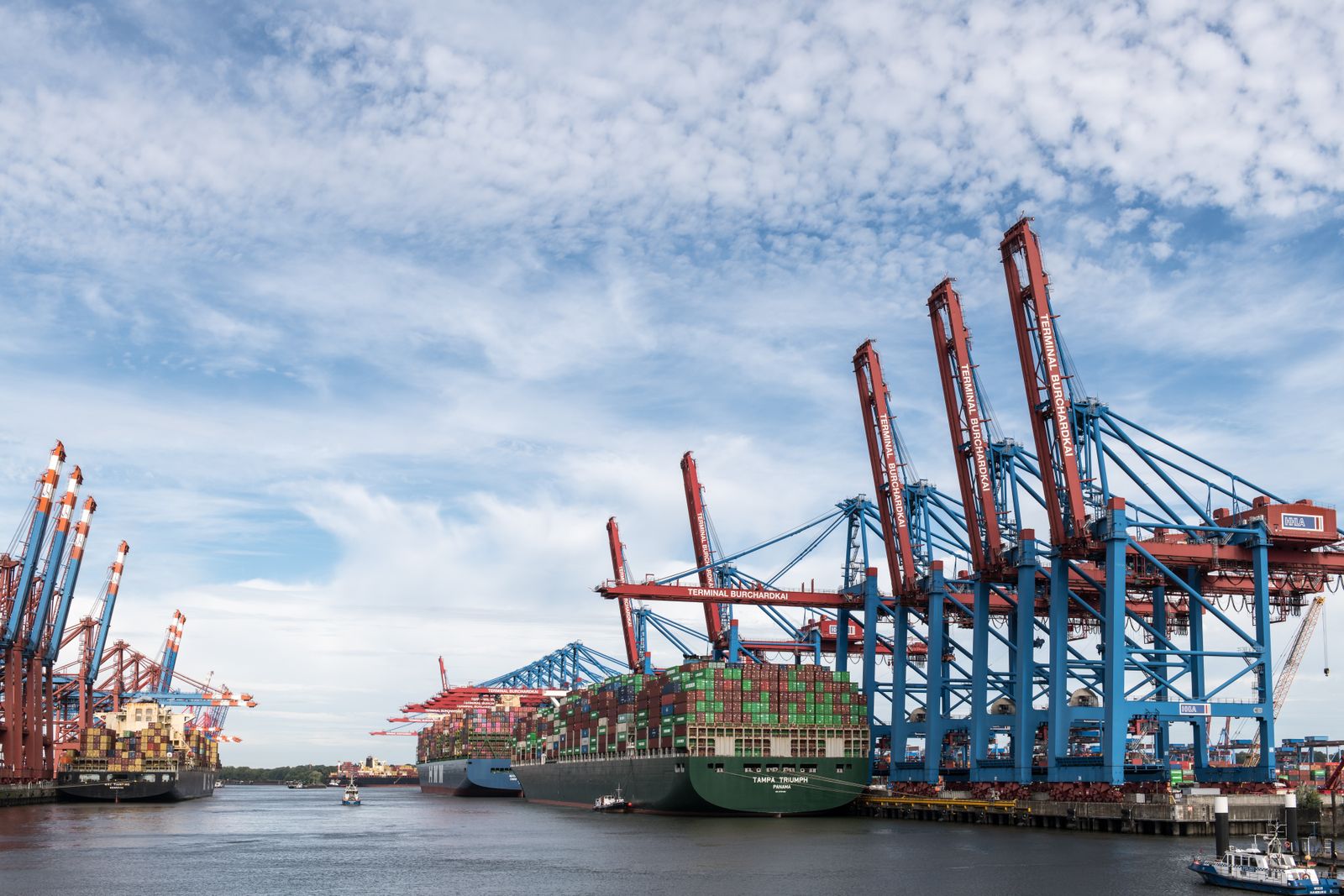
Have the provider identify the Hawaii receiving facility, mainland discharge port and final Texas address. Ask whether a neighbor-island transfer is included and whether the booking covers the mainland road carrier. Do not assume a vessel sails directly to Texas or that a Texas delivery quote uses a particular West Coast terminal.
Write down every transfer before comparing rates
-
Budget for the connection, not only the crossing
Choose between one coordinated booking and separate sea and road contracts based on who will manage the connection. If you book separately, give both operators the authorization and release information needed to hand the car over.
-
Prepare for acceptance in Hawaii
Check ownership paperwork with the ocean operator, including legal-owner consent where required for a financed or leased car. Hawaii vehicle-removal law The Hawaii departure rules should be resolved before delivery to the terminal, not after a missed cutoff.
-
Keep registration separate from transport
Disclose nonrunning condition, modifications and dimensions to both the sea and road operators. Follow the booked service’s instructions for fuel, battery, cleaning and contents. Photograph the car at departure and keep copies of the acceptance record.
-
estimated vessel arrival is not the same as a truck-ready release
An estimated vessel arrival is not the same as a truck-ready release. Keep the Texas recipient informed of the confirmed delivery window and have dispatch approve access at the final property or a permitted alternative.
-
TxDMV directs new residents to their county tax office for registration
TxDMV directs new residents to their county tax office for registration and identifies emissions-inspection requirements in specified counties. Shipping the car does not complete those registration steps. TxDMV new-resident vehicle steps
-
If this is a permanent move
If this is a permanent move, review the new-resident instructions before sending your original documents away with the vehicle. If you are temporarily staying, studying or serving in the military, check the applicable exceptions rather than assuming ordinary new-resident treatment.
-
At delivery
At delivery, inspect against the Hawaii and mainland handoff records, record discrepancies and retain the paperwork. Finish the shipping transaction with a clear condition record, then complete any applicable registration and insurance steps through the relevant agencies.

Budget for the connection, not only the crossing
- Ask when mainland availability is confirmed and who receives that notice.
- Identify who schedules the Texas truck and what happens if collection is late.
- Itemize terminal handling, storage exposure, inland delivery and any special loading equipment.
- Obtain payment, cancellation and damage-reporting terms for each responsible company.
Define where the ocean move ends and the Texas move begins
A Hawaii-to-Texas shipment typically combines modes, so the quote should identify the mainland terminal where the vehicle is released and the road service that carries it onward. Ask whether one provider coordinates both legs or whether you are responsible for arranging the connection. If separate contracts are used, record who monitors the vessel release, who authorizes the road carrier to collect the car, and what happens if the connection date moves. Texas should appear in the plan as a specific address or approved handoff, not just the state at the end of a chain.
Turn this plan into comparable transport options
Use the actual vehicle, pickup and delivery details, timing and handling needs so every quote starts from the same scope.
Prepare for the ocean operator’s rules first
Before moving the vehicle to a Hawaiian terminal, check the current acceptance instructions for your operator and facility. Confirm required documents, keys, fuel or charge level, alarms, personal belongings, dimensions, operability, and treatment of modified or nonrunning vehicles. If a local transporter will deliver the car to the terminal, give that carrier the acceptance requirements too. The first road leg is successful only if the terminal can take the vehicle in the condition presented.
Give the mainland carrier enough release information
The road carrier may need terminal references, release authorization, identification information, and a realistic collection window. Do not schedule mainland pickup solely from an estimated vessel arrival; terminal availability can be a separate milestone. Ask which party checks release status and who pays if the road carrier arrives too early or the vehicle remains in storage. A coordinated connection reduces the chance that ocean and road providers each treat the gap as the customer’s problem.
Finish the Texas endpoint before comparing totals
Tell the road carrier whether the final destination is a residence, business, storage site, dealership, or another receiver. Confirm access, hours, and whether a large transporter can unload there. If a meeting point is necessary, decide who handles the last movement. If the owner is relocating to Texas, keep title, registration, insurance, and other administrative tasks separate from transport; the vehicle’s arrival does not itself complete those steps.
Maintain a condition timeline from island to state
Take photographs before the Hawaii terminal handoff and retain the ocean acceptance record. At mainland release, preserve any condition documentation before the road carrier takes custody. Give the Texas receiver the earlier records, and inspect again before final delivery paperwork is completed. If an issue appears, the timeline helps identify the relevant custody period and provider. Keep the contracts and receipts for each segment together so total cost and responsibility can be reconstructed without guesswork.
Use one master timeline without pretending every date is fixed
Track the vehicle through island handoff, terminal acceptance, ocean movement, mainland release, road pickup, and Texas delivery, but label each milestone correctly. Some are customer-controlled appointments, some are facility availability points, and some are estimates that can change. A single timeline helps coordination only when it does not turn estimates into promises. Record who confirms each milestone and what event allows the next provider to act.
If one segment changes, update the downstream contact rather than assuming the companies will automatically coordinate. This is particularly important when the ocean service and road carrier are booked separately. A short delay at a terminal can otherwise become a missed truck pickup or storage charge. The customer’s job is to make the handoff dependencies visible before the vehicle enters the chain.