
Chicago’s snow-removal provision authorizes signed overnight parking restrictions on designated streets during the stated winter season. Chicago snow-removal parking provision
Check the receiving plan for the booked season
-
Give Los Angeles collection a clear start
Check the actual signs and current rules for the delivery dates. This is not a statement that a snow event is active. Ask the carrier to assess its own commercial-vehicle restrictions as well as the room needed for unloading.
-
Agree how the long-distance order changes
Name a recipient able to inspect within the agreed window. For a late or revised arrival, establish whether the handoff will move, wait at an approved facility or be rescheduled, and at whose cost. Confirm where the delivered car can lawfully remain after the truck leaves.
-
Confirm the seller or sender has keys and release authority
Confirm the seller or sender has keys and release authority. Clear outstanding payment and document conditions before dispatch. Supply the actual loading entrance, property permission and hours rather than only a mailing address.
-
Describe dimensions
Describe dimensions, modifications and operating faults. Have the carrier accept the ramp or special-loading arrangement, then compare open and enclosed proposals for the same endpoints.
-
Prepare under the chosen operator’s instructions
Prepare under the chosen operator’s instructions. Take a dated condition record at Los Angeles release and retain the collection report. Send both to the Chicago recipient before the car arrives.
-
Request the full charge and identify any waiting
Request the full charge and identify any waiting, storage or alternate-point movement. Review deposit, balance and cancellation rules. Ask whether the carrying company is assigned, whether transfers are planned and who sends schedule updates.
-
Distinguish an estimated transit window from an expressly accepted appointment
Distinguish an estimated transit window from an expressly accepted appointment. Review coverage and the procedure for reporting damage rather than assuming a delivery signature settles every later issue.
-
At receipt
At receipt, inspect against the departure evidence, record discrepancies and keep the paperwork. Retain revised access or timing instructions with the accepted order.
Choose a Chicago unloading plan that still works after the truck leaves
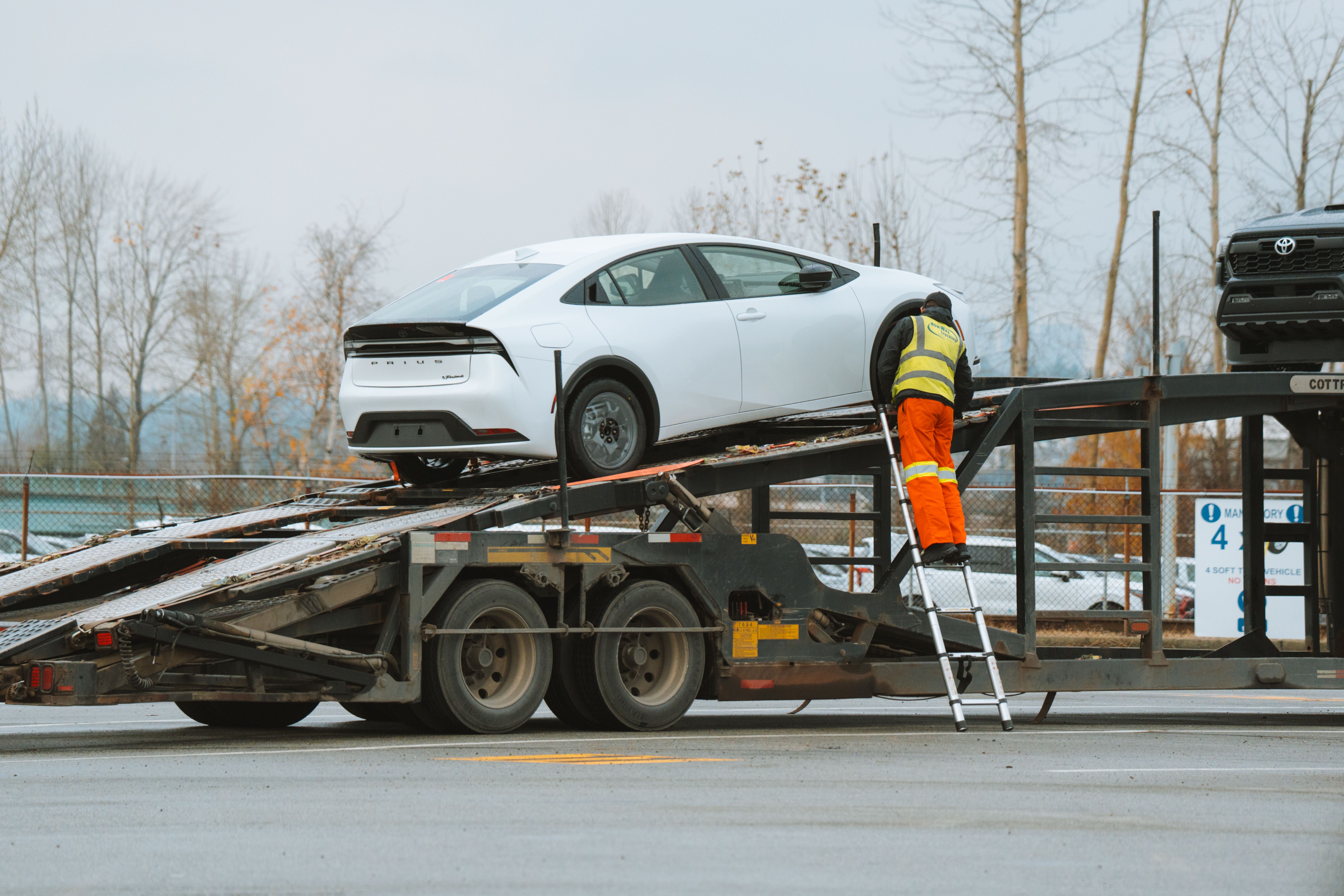
The receiving plan has two parts: where the transporter can lawfully and safely unload, and where the delivered car can remain afterward. Give the carrier the exact Chicago address and describe the curb, alley, garage, or business conditions. If an alternate meeting point is needed, make sure the receiver can drive the car away and has somewhere lawful to place it. Seasonal parking restrictions, posted controls, construction, and local conditions can affect the customer’s post-delivery plan even when the transporter can complete its own stop.
Build a fallback for an early, late, or changed arrival
Ask how the carrier notifies the receiver and how much notice the person should expect. If the primary receiver cannot remain available across the estimated window, name a backup or agree on an approved facility. Clarify whether the driver can wait, whether the vehicle can be stored, and who pays for those outcomes. A robust Chicago handoff does not require the carrier to arrive at the one hour that happens to fit the customer’s schedule.
Turn this plan into comparable transport options
Use the actual vehicle, pickup and delivery details, timing and handling needs so every quote starts from the same scope.
Prepare Los Angeles pickup so the carrier does not discover new facts
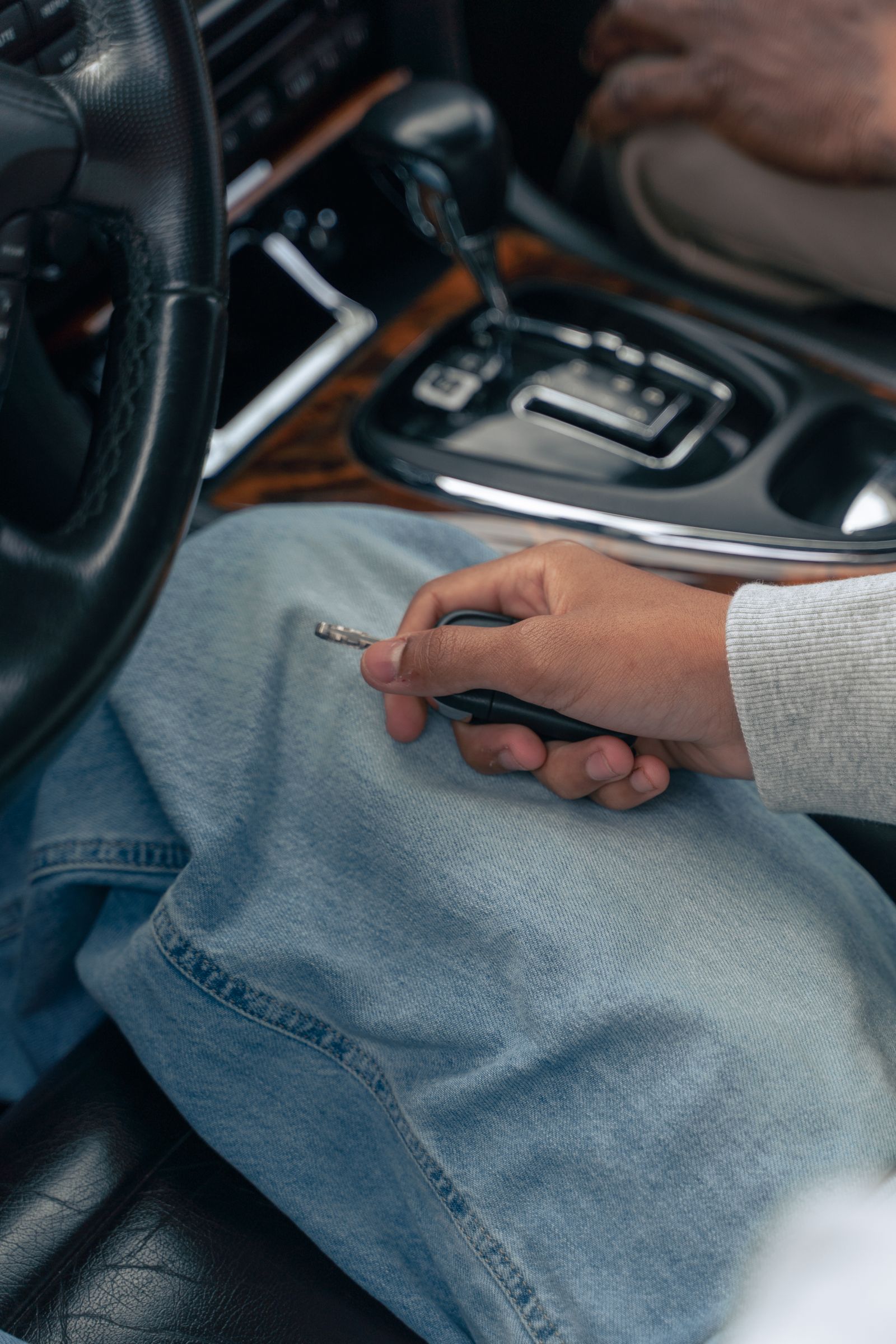
Confirm seller or owner release authority, keys, property permission, and the exact loading entrance. Describe the car’s operability, modifications, ground clearance, and other details that affect loading. If the car is in a garage, dealership, storage location, or apartment complex, confirm access hours. Ask the assigned provider to accept any special loading requirement before dispatch. A route of this length should not begin with a renegotiation caused by a condition that could have been disclosed when the quote was requested.
Compare service scope before comparing totals
Use the same Los Angeles pickup, Chicago handoff, vehicle condition, equipment preference, and availability for each offer. Ask whether the price includes address service or a meeting point, who physically carries the vehicle, whether transfers are planned, and what cancellation, waiting, storage, or rescheduling terms apply. If a provider quotes enclosed service while another quotes open transport, or one ends at a facility while another ends at the receiving address, record those differences before deciding which total is better.
Send the pickup record ahead of the car
Create photographs at Los Angeles release, review the carrier’s condition report, and send both to the Chicago receiver. At delivery, inspect in adequate light before signing and follow the carrier’s reporting process for discrepancies. Retain written schedule changes and any approval of an alternate unloading point. If the vehicle then goes directly to storage, repair, or another person, document that later transfer separately so the long-distance transport handoff is not confused with what happened afterward.
Plan what happens in the first hour after Chicago delivery
The receiver should know whether the car goes into a garage, legal street space, private lot, repair shop, or another facility after unloading. If parking controls or weather restrictions make the immediate area unsuitable, choose a lawful alternative before the truck arrives. The transporter’s ability to unload does not guarantee that the vehicle can remain in the same place once the truck departs.
Give the receiver enough time to inspect before moving the car into dense traffic or another person’s custody. If a problem is discovered, follow the carrier’s reporting instructions while the delivery record is still being completed. Afterward, document any transfer to parking, storage, or repair separately. This cleanly marks the end of the Los Angeles-to-Chicago transport and the beginning of the vehicle’s next use.