
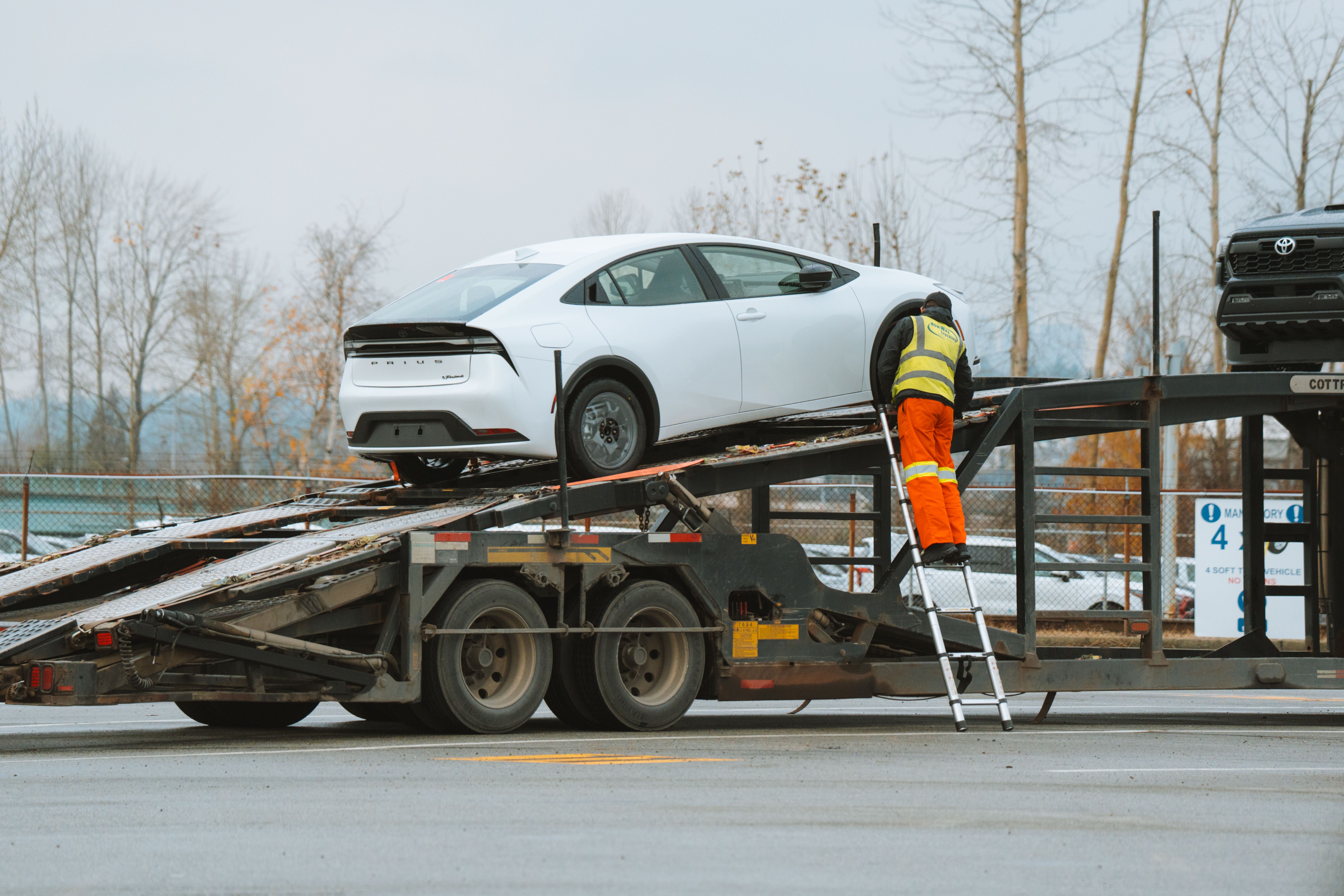
Tell dispatch the physical location and who can release the car throughout the pickup window. If a dealer or storage business controls it, obtain release instructions and hours. Report faults and clearance changes before the carrier selects equipment.
Confirm what is ready in Nashville
-
Check the destination street and timing
Request a written price for the actual Los Angeles endpoint and chosen open or enclosed service. Read what happens if the vehicle is not ready, the receiver cancels or a different location becomes necessary.
-
Name the holder before there is a gap
LADOT identifies posted Oversize Vehicle Restricted Areas with overnight parking limitations. LADOT parking information
-
Have the transporter check the specific location and any applicable permission
Have the transporter check the specific location and any applicable permission. That program does not itself authorize unloading at your property. If the car must meet the truck elsewhere, agree a lawful location and how it will reach the final address.
-
Ask where the vehicle would go if unloading cannot be completed
Ask where the vehicle would go if unloading cannot be completed. Confirm the facility’s acceptance, who records its condition and any storage or second-delivery charge. Do not assume the carrier can remain outside overnight.
-
Send Nashville photographs and pickup notes to the Los Angeles recipient
Send Nashville photographs and pickup notes to the Los Angeles recipient. Give them the balance-payment instructions and contact for discrepancies. A useful contingency specifies both custody and the next movement, not merely a promise that dispatch will find somewhere to wait.

Choose a Los Angeles unloading plan before the Nashville car is released
Give the carrier the actual Los Angeles destination, property type, receiver and access notes rather than only a ZIP code. Ask whether the assigned transporter can reach the address and where it can legally and safely unload. If a larger meeting area is required, approve it before pickup and decide who drives or tows the final short leg. The receiver also needs a lawful place for the delivered car after the truck leaves; an arrival estimate is not permission to leave a vehicle on a curb, in a private lot or at a business after hours.
Build Nashville pickup around the person who will actually meet the truck
If the owner will leave Tennessee first, name a release representative who has keys, access and authority to sign the pickup condition record. For a garage, dealership, apartment, workplace or storage yard, verify the right entrance and hours. Tell the provider about a weak battery, nonrunning condition, low clearance or modifications before dispatch. A representative should not be asked to negotiate a new loading method or a different price because the original booking described the vehicle too generically.
Turn this plan into comparable transport options
Use the actual vehicle, pickup and delivery details, timing and handling needs so every quote starts from the same scope.
Use an arrival-window fallback that does not depend on overnight waiting
Ask how delivery updates are sent and what notice the Los Angeles receiver should expect. If nobody can attend at the revised time, establish a backup person or an approved alternative facility in advance. Clarify waiting, storage and rescheduling terms. Do not assume the transporter can remain overnight, hold the car indefinitely or use a nearby parking lot. The fallback should work within the carrier's normal custody process and should keep the vehicle in a place the receiver can actually access.
Compare the complete Nashville-to-Los Angeles movement
Ask every provider to price the same Nashville pickup, Los Angeles handoff, vehicle condition and equipment preference. Confirm whether open or enclosed service is proposed, whether the car may transfer between carriers, who communicates schedule changes and what payment or cancellation rules apply. A lower quote may be based on a broader timing window, a meeting point instead of property delivery or a standard-running vehicle assumption. Record those differences before deciding which offer is actually less expensive for your task.
Send the pickup evidence ahead of the vehicle
Photograph the car in Nashville, review the pickup inspection and send the record to the Los Angeles receiver before arrival. The receiver should compare the same exterior areas before signing and note discrepancies through the carrier's written process. If the car then goes directly into storage, repair or another person's custody, document that later transfer separately. This marks the end of the transport move clearly even when the owner is still traveling.
Decide what happens if the car reaches Los Angeles before the owner
If the owner is still traveling, the receiver must have a complete custody plan rather than just a phone number. Confirm where the car can remain after unloading, who holds the keys, and whether the property permits the vehicle to stay there. If a friend or relative is receiving it, make sure that person understands the inspection process and the limits of what they may approve. If a storage or repair facility will accept it, confirm hours and intake requirements directly with that facility.
Also separate the carrier’s arrival from the owner’s later access. A vehicle can be successfully delivered even when the owner is not present, but only if custody after the handoff is intentional. Keep the pickup and delivery condition records with the person holding the car, and document any later transfer to the owner. That makes it clear when transport ended and when a different person or business assumed responsibility.