
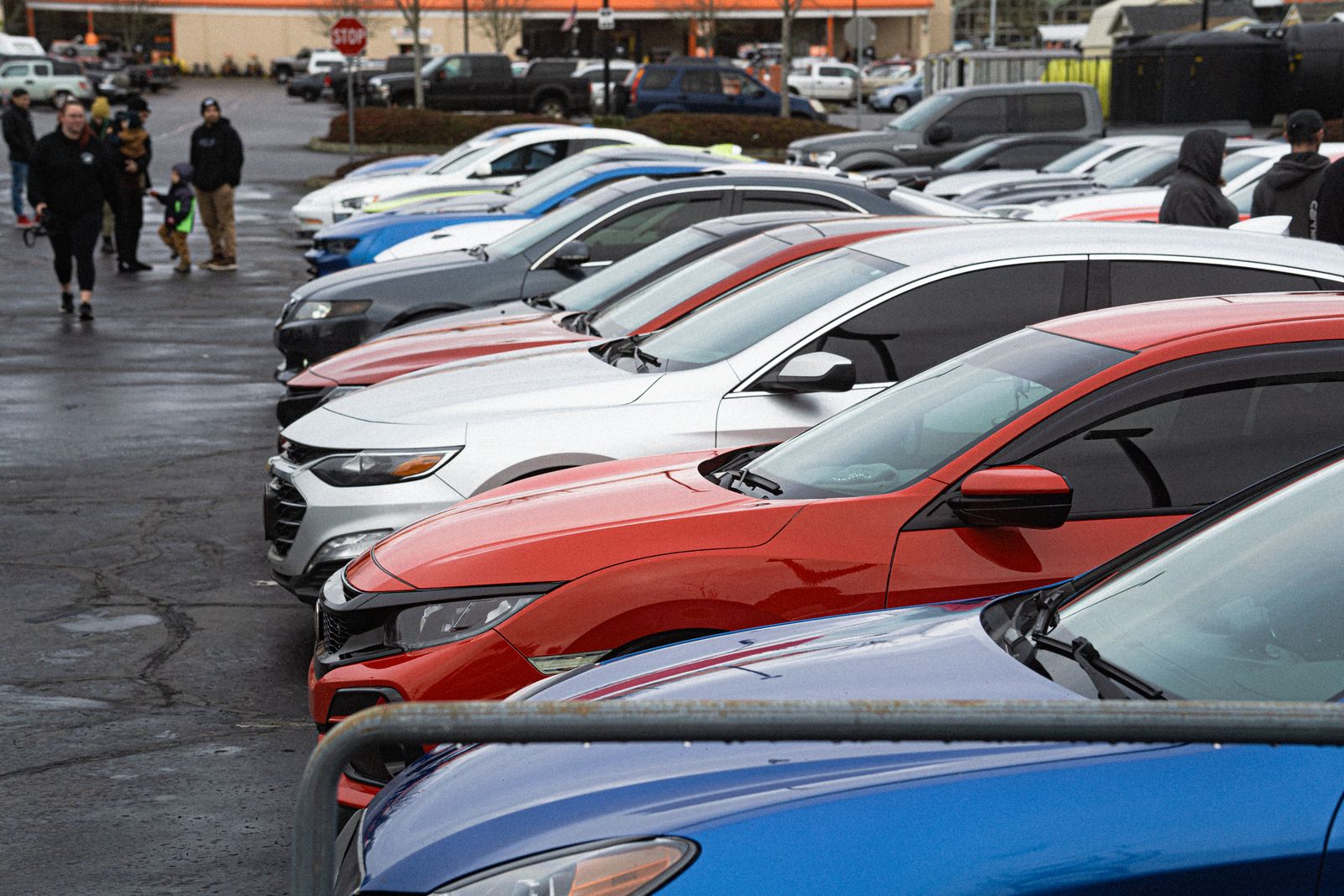
Seattle’s temporary no-parking guidance calls for no-parking easels to be placed three days, or 72 hours, before the space is needed. Seattle temporary no-parking reservation
Ask about the actual transporter before reserving
-
Plan a mismatch between reservation and arrival
Confirm the current process and any additional permission for your truck and unloading activity with SDOT. Obtain the operator’s space and timing requirements first. Assign who arranges the signs and verifies that the plan is valid; do not assume a residential permit covers every commercial operation.
-
Make NJ release support the destination plan
Ask how dispatch communicates revisions and who can authorize a new unloading location. If curb space becomes unavailable, confirm a lawful alternative and the final drive or tow to the property. Specify any added charge before approving the change.
-
Name a receiver who can inspect across the estimated window
Name a receiver who can inspect across the estimated window. If none is available, arrange an accepting storage facility with its own hours, custody record and fees.
-
Confirm readiness
Confirm readiness, keys and the authorized releaser. Disclose nonrunning condition, dimensions and modifications, then choose suitable open or enclosed equipment. Compare the complete endpoint scope with payment and cancellation terms.
-
Send the Seattle receiver pickup photographs and signed condition notes
Send the Seattle receiver pickup photographs and signed condition notes. They should know the carrier identity and balance-payment procedure, not merely the approximate arrival day. Keep address and permission changes in writing.

Start with the Seattle street operation, not the reservation form
Temporary parking controls can be useful only after the actual unloading operation is understood. Tell the carrier the Seattle address, street side, property entrance and receiver. Ask what stopping space the assigned equipment needs and whether the driver expects a curbside handoff or a larger nearby area. Then check whether any city process is relevant to that specific plan. Do not reserve space for a guessed truck size or assume a permit or sign overrides other parking, freight or safety rules.
Make the reservation timing tolerant of transport uncertainty
A long-distance arrival estimate may move after a street reservation must be requested. Ask the carrier how updates are provided and who makes the call if the window no longer matches the reserved time. Decide whether the reservation can be changed, whether another legal handoff is available and who handles any added local cost. The goal is not to force the truck into a reservation made too early; it is to keep a lawful unloading option available if the transport estimate shifts.
Prepare New Jersey release so the Seattle plan is not disrupted
Give the New Jersey releaser the pickup window, carrier contact, keys and authority to review the condition report. If the vehicle sits at a dealership, garage, apartment or business, confirm access hours and the correct entrance. State the car's operability, modifications and clearance accurately. If pickup is delayed because the vehicle or representative is not ready, the Seattle-side reservation work may become useless, so the origin plan deserves the same attention as the city handoff.
Turn this plan into comparable transport options
Use the actual vehicle, pickup and delivery details, timing and handling needs so every quote starts from the same scope.
Keep the equipment choice and city plan connected
Ask whether open or enclosed transport is being quoted and whether the equipment can use the intended Seattle stop. A low or nonrunning vehicle may need a loading approach that requires more room than an ordinary car. If an alternate meeting point becomes necessary, make sure the receiver can move the car from it. Put the approved handoff and equipment assumptions into the written order so the dispatch team and receiver are not working from separate versions of the job.
Close the move with a documented Seattle receipt
Send the New Jersey pickup photographs and condition record to the receiver. At delivery, inspect before moving the car away from the unloading area and keep the final paperwork. If a changed street plan or meeting location was approved, retain that communication too. This evidence makes the custody transfer clear even if the city parking arrangement changed during the trip.
Coordinate Seattle access without forcing the truck to meet a stale reservation
Before the New Jersey pickup, decide who will watch the carrier’s updates and who can change the Seattle-side arrangement if the arrival window moves. If the city reservation process has lead time, keep a fallback that does not require the transporter to use a space that is no longer valid. The receiver should know what kind of legal, open area the carrier needs and should be able to reach that area without relying on private property that has not granted permission.
Once the actual carrier is assigned, reconfirm the proposed Seattle handoff with that operator. Trailer length, loading method and driver judgment can affect whether a previously discussed location still works. If the location changes, keep the revised plan in writing and send it to the receiver. The objective is not to maximize certainty about the minute of arrival; it is to preserve a legal, usable handoff despite timing uncertainty.
Recheck the Seattle plan when the vehicle is actually on the roadOnce pickup is complete, send the receiver the carrier information and the condition record, then revisit the Seattle handoff rather than assuming the original reservation still fits. If the estimated arrival has moved, confirm whether the local parking arrangement remains valid. If not, use the preplanned alternative and document the change. The receiver should have enough time to reach the new location and should know where the car will go afterward. This final coordination step keeps the city-access plan aligned with the real transport progress instead of a date chosen before dispatch.