
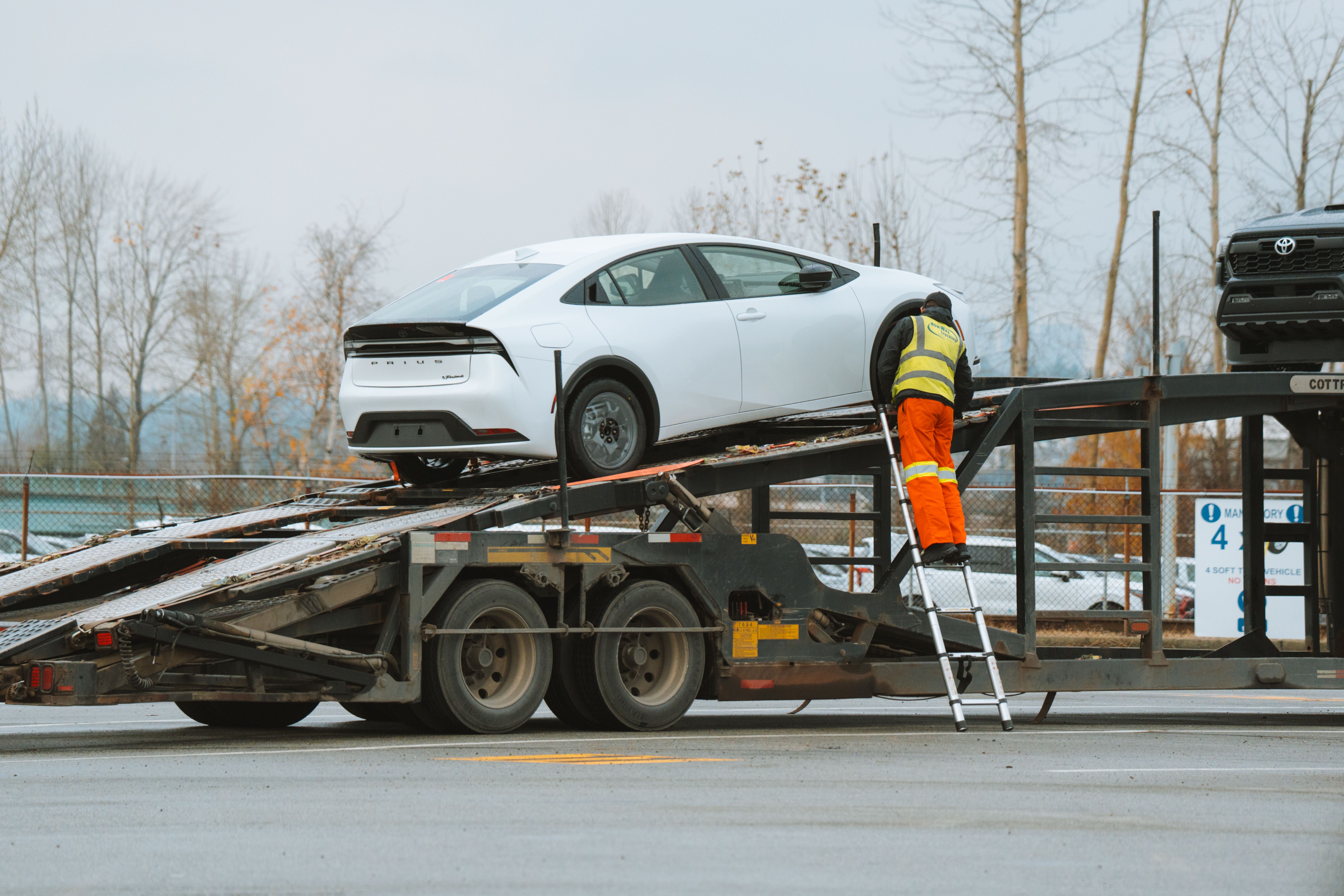
Write the New York municipality and physical pickup address; do not assume the state means NYC. Give the California property, vehicle model, running condition and modifications. Request open and enclosed options separately if both are under consideration.
Remove ambiguity from each estimate
-
Price the final handoff honestly
Ask for deposit, balance, cancellation and price-change conditions. Identify excluded recovery, local transfer, waiting or storage. Compare a complete written proposal rather than a numeric estimate with unspecified endpoints.
-
Check the transaction before the seller releases
California DMV describes restrictions on residents acquiring certain noncertified vehicles below 7,500 miles, subject to exemptions. California DMV noncertified vehicles
-
Confirm the vehicle’s certification
Confirm the vehicle’s certification, mileage and buyer circumstances with DMV. This is not a prohibition on every out-of-state car. An owned-car relocation and a new purchase should not be assumed to follow identical eligibility rules.
-
Have the operator assess the destination entrance and nominate a receiver
Have the operator assess the destination entrance and nominate a receiver available during the expected window. If unloading occurs elsewhere, decide who drives or tows the car onward and include the cost.
-
Keep New York pickup photographs and a signed condition record
Keep New York pickup photographs and a signed condition record. Give the recipient payment and discrepancy instructions. If the purchase falls through or documents delay release, use the agreed cancellation procedure before dispatch sends a truck to an unavailable vehicle.

Make New York and California endpoints specific before discussing cost
State the actual New York pickup municipality and property and the California destination city, address and receiver. A statewide price can hide very different last-mile assumptions. Ask whether the carrier can serve both properties or expects a terminal or meeting point. If an alternate handoff is necessary, decide who completes the final movement and whether that changes the price. Cost comparisons are meaningful only when the same endpoints are being priced.
Resolve California purchase eligibility before the seller releases the car
If this is an out-of-state purchase, review the vehicle's certification, title, lien, mileage and other facts that affect your intended California transaction. Use current agency guidance for the specific situation. Do not assume that because a carrier can transport the car, the buyer can register it as planned. If an unresolved issue could cause you to reject the purchase, solve it before pickup rather than after the vehicle is across the country.
Choose open or enclosed service based on the actual vehicle
Ask both types of providers to quote the same dates and endpoints if you are comparing methods. A standard daily-use vehicle may have different priorities from a low-clearance, high-value, restored or weather-sensitive car. Disclose operability and modifications. Ask how the equipment handles the vehicle and whether special loading affects access at the California destination. Method choice should be part of the cost comparison, not an afterthought.
Turn this plan into comparable transport options
Use the actual vehicle, pickup and delivery details, timing and handling needs so every quote starts from the same scope.
Include the full customer-side cost in the decision
Transport totals may not include a local tow, terminal storage, alternate meeting-point movement, seller storage or a second trip to complete an administrative task. List any likely customer-side movement before choosing an offer. Also review cancellation, payment, waiting and storage terms. The useful question is what it costs to get the car into usable custody at the intended California endpoint, not merely what one provider charges for the line-haul segment.
Protect the buyer or owner with a condition timeline
Photograph the vehicle at New York release and review the pickup inspection. Send the evidence to the California receiver. Inspect again before signing and keep seller photos separate from carrier inspection photos so you can tell which stage each image represents. If the vehicle immediately goes to repair or storage, document that later custody separately. A clear timeline helps distinguish sale-condition issues from transport-condition issues.
Use the California endpoint to decide whether the chosen method still makes sense
An enclosed carrier may be attractive for a valuable or low-clearance vehicle, but the final California access still has to support the equipment. Likewise, open transport can be efficient for a normal running car, but a narrow destination may require a nearby handoff. Ask the assigned provider to review the actual endpoint after the equipment is known. If the method forces a different location, include the customer’s final movement in the cost and convenience comparison.
For a purchase, make this review before seller release. The buyer should know whether the transport plan is compatible with the vehicle’s condition and intended California use. If a special trailer, local tow or storage step is needed, add it to the plan instead of discovering it after the car has crossed the country.
Check the complete California decision one more time before dispatchBefore the seller or New York representative releases the vehicle, confirm that the buyer has accepted the transport method, final handoff, customer-side costs and California eligibility risk. This is the last practical point to stop without adding cross-country transport expense. Once the car is in transit, changing the transaction is harder. A deliberate pre-dispatch review keeps the purchase decision and shipping decision connected without confusing their responsibilities.
Before the New York car is released, give the California receiver the chosen method and the expected handoff. If the vehicle is a purchase, the receiver should know whether it may be driven immediately or should go to storage, inspection or repair first. That post-delivery plan is part of the complete cost decision because an alternate site, local tow or temporary storage can matter even when the long-haul quote itself is unchanged.