
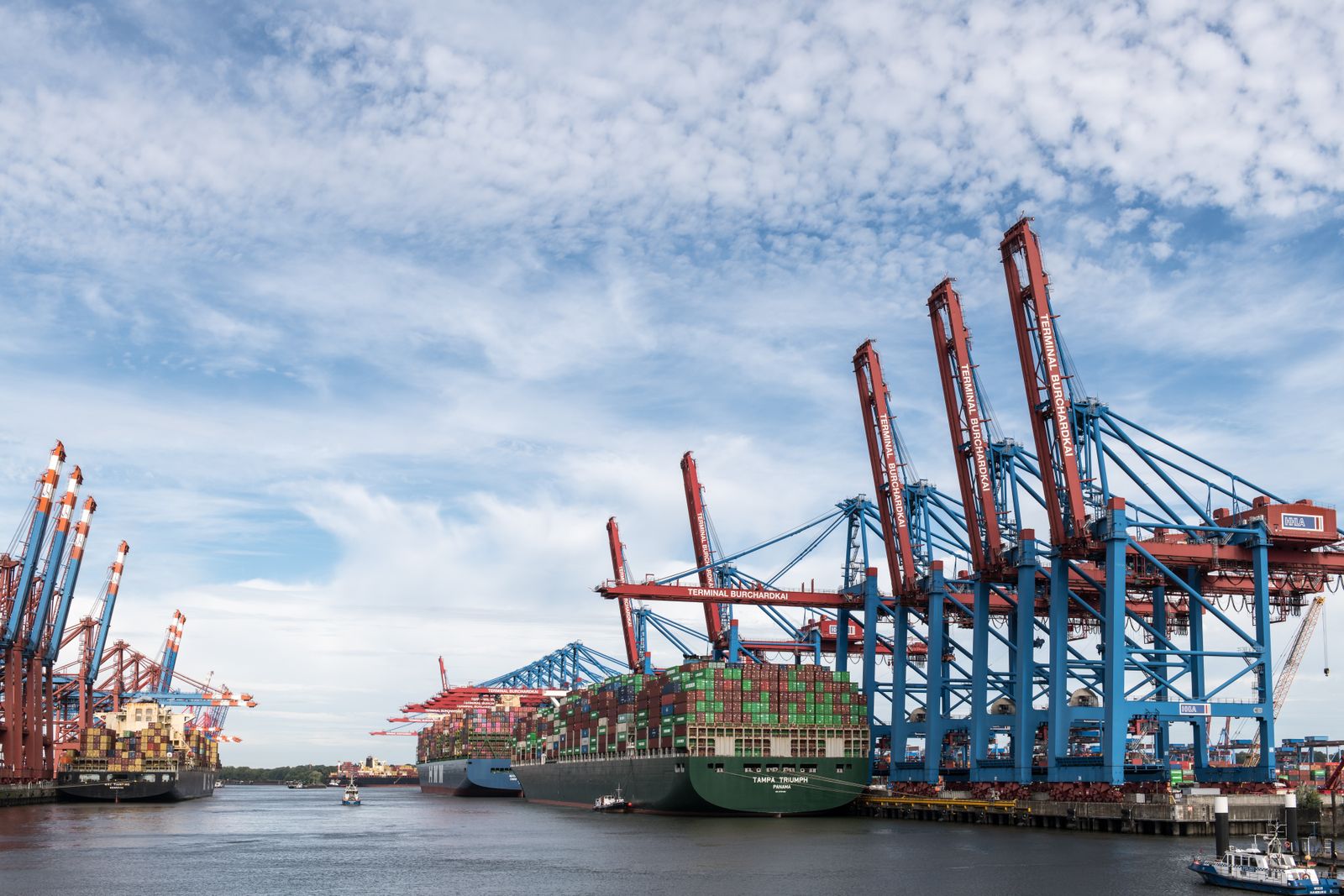
A price labelled “Hawaii” needs a named discharge port and a statement of whether another island transfer is included. Ask the provider to distinguish mainland pickup, terminal receiving, sea carriage and island delivery. Do not infer a direct sailing from Oregon merely because the enquiry starts at an Oregon address.
Do not buy an undefined Hawaii endpoint
-
Prepare for more than ordinary road transport
For a vehicle that cannot run, is modified or has battery damage, obtain acceptance from every operator involved. The road hauler’s approval does not resolve the vessel operator’s conditions.
-
Write down each connection
Hawaii’s agriculture and biosecurity department includes vehicles among commodity types requiring inspection at ports of entry. Hawaii ports-of-entry inspections
-
Ask for the current cleaning and inspection instructions
Ask for the current cleaning and inspection instructions before the mainland handoff. Inspect wheel wells, underside areas and the interior for dirt or agricultural material. Keep plants, soil and household cargo out of the car unless the relevant authorities and operator expressly permit the items. A washed exterior alone is not a promise of release.
-
Compare totals only after these responsibilities match
Compare totals only after these responsibilities match. Ask about cancellation, handling and storage charges rather than relying on an ocean rate that leaves the land legs undecided. Keep your own arrival travel flexible until the release arrangements are confirmed.
Write down each connection
- Confirm who delivers the car to the mainland terminal and the receiving cutoff.
- Obtain the terminal receipt and preserve the condition photographs.
- Identify the contact responsible if the ocean departure changes.
- Check Hawaii collection identification, release notice and storage terms.
- Arrange the final island movement if the booking stops at the port.
Name the Hawaiian island and the terminal chain before pricing
“Hawaii” is not a complete endpoint. Identify the island, expected receiving terminal and final location where you need the vehicle. On the Oregon side, determine whether the car goes directly to a mainland ocean terminal or first moves by road to another facility. Ask whether one provider coordinates every leg or whether separate contracts are required. A quote should make clear where each carrier's custody starts and ends.
Check ocean acceptance before the Oregon road leg begins
Obtain the current vehicle-preparation and document instructions for the booked ocean service. Confirm keys, identification, ownership or authorization records, personal-property restrictions, alarms, fuel or charge level, dimensions and operability. A modified or nonrunning vehicle may need special approval. Do not send a road carrier toward a terminal until you know the vehicle can be accepted there in the condition presented.
Write down every connection and who watches it
List Oregon pickup, mainland terminal acceptance, ocean movement, Hawaii terminal release and any island-side road transfer. For each connection, identify the responsible contact and what event allows the next step to start. If a vessel schedule or terminal release changes, know who updates the downstream carrier. Separate companies will not necessarily manage the gap for you.
Turn this plan into comparable transport options
Use the actual vehicle, pickup and delivery details, timing and handling needs so every quote starts from the same scope.
Plan Hawaiian release for an authorized person
Decide who collects the vehicle and what identification or release information that person needs. If another road carrier will take the car, confirm that the terminal permits that arrangement and that the carrier receives the necessary reference. Do not schedule flights or island appointments solely from an estimated vessel arrival; actual release can be a separate milestone.
Preserve condition evidence across mode changes
Photograph the car before the first Oregon handoff and keep the terminal acceptance record. At Hawaii release, inspect before another carrier or recipient takes custody where practical. If a final road leg follows, create another condition record. Multiple custody points make a chronological evidence file much more useful than one set of origin photographs.
Plan for a failed connection without losing track of custody
If the Oregon road carrier misses the terminal cutoff or the ocean schedule changes, identify where the vehicle remains, who has the keys and who is responsible for rebooking. If the car has already entered terminal custody, the road carrier may no longer control it. If it has not, the customer may need to arrange another delivery attempt. Understanding that boundary before the first pickup makes a disruption manageable.
On the Hawaii side, use the same approach for a delayed release or missed island-side collection. Know the storage rules, who receives status updates and who can authorize a later pickup. Multimode shipping is easier to manage when the fallback preserves a documented custody chain instead of forcing the customer to reconstruct who held the car after a schedule change.
Compare Oregon-to-Hawaii offers by connection responsibilityAsk each provider who books the mainland terminal, who monitors ocean acceptance, who sends release updates in Hawaii and whether island-side delivery is included. Two offers can use the same vessel route yet leave very different connection work to the customer. Record those responsibilities next to the price. A higher total may include coordination that another quote omits, while a lower modular quote may still be appropriate for a customer willing to manage separate legs.
Also confirm how the customer will learn that the car is actually ready for Hawaii release. An arrival notice, terminal availability and final customer pickup can be different milestones. The authorized receiver should know which notice permits action and should not send a local carrier or arrange travel solely from an estimated vessel date. That distinction reduces unnecessary waiting and storage exposure.