
Philadelphia’s Temporary No Parking process requires an address, vehicle length and requested times, with applications at least four business days ahead. Philadelphia Temporary No Parking process
Discuss the exact operation with the city
-
Make California more precise
The city describes this process for specified uses such as moving trucks. Ask the Streets Department whether it fits the proposed car-carrier operation or whether another authorization is needed. The carrier must also confirm how much room its truck and ramps require. Do not treat an application, a pair of cones or a passenger parking space as approval.
-
Keep the release and inspection record together
If the address cannot support loading, arrange a lawful alternative with the operator and property owner. Include how the car gets there, particularly if it cannot run.
-
Supply the receiving city
Supply the receiving city, ZIP, property access and available hours. Ask whether the transport price includes that address or stops at a terminal. An early arrival may be a problem if your receiver has not yet obtained access to the property, so state the earliest acceptable delivery.
-
Confirm the proposed equipment and disclose modifications affecting clearance
Confirm the proposed equipment and disclose modifications affecting clearance. Compare the same service scope and condition when reviewing the total price, payment timing and cancellation terms.
-
Ask how to report a discrepancy at delivery
Ask how to report a discrepancy at delivery. Keep registration or ownership-transfer work separate from the carrier booking; moving the car does not complete those owner responsibilities.

Keep the release and inspection record together
- Verify seller or shop release conditions before dispatch.
- Nominate a person with keys and authority to sign.
- Photograph the car at the Philadelphia handoff.
- Send that record and the carrier contact to the California receiver.
Confirm a Philadelphia loading operation the city and carrier can both support
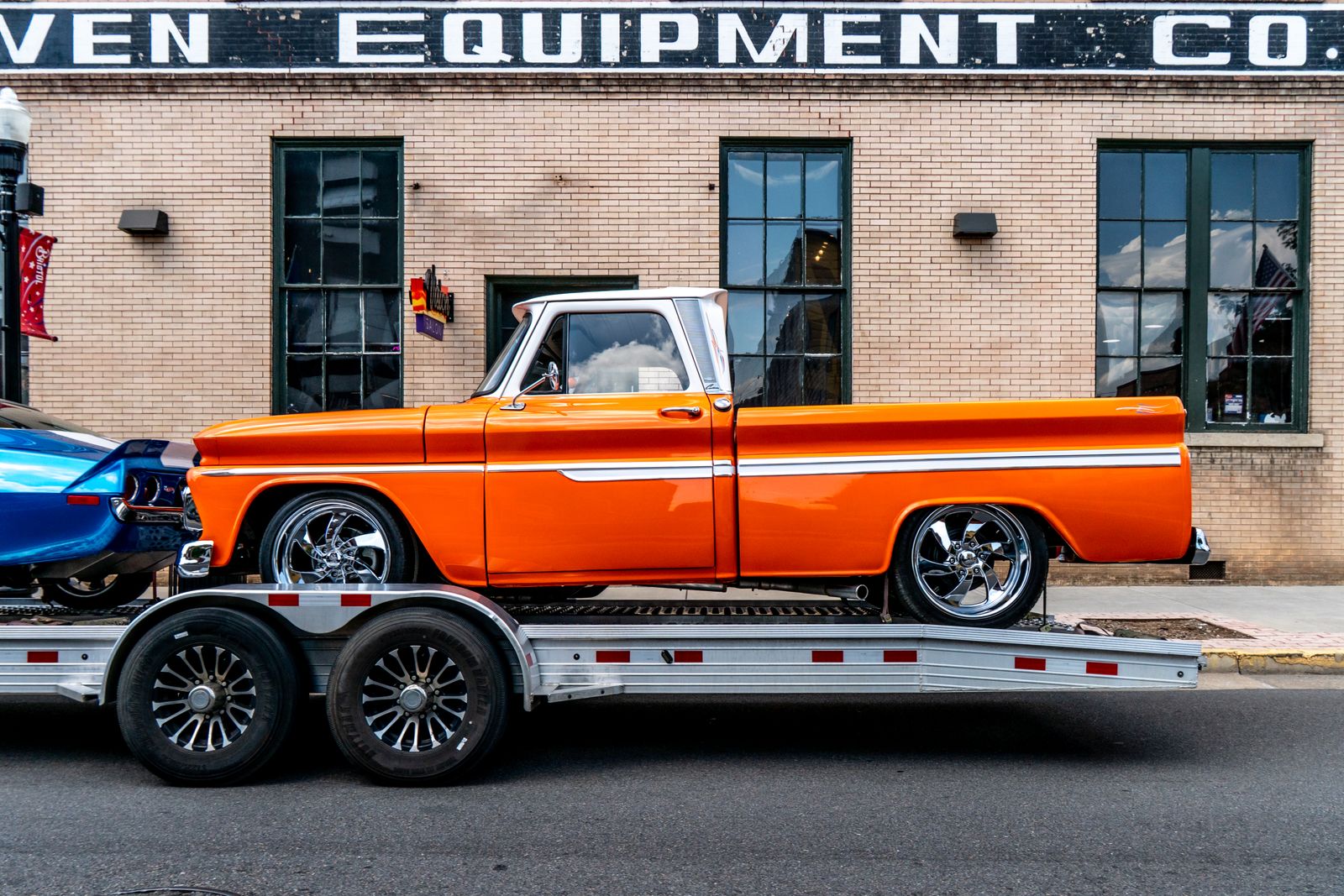
Describe the exact pickup street, side of street, property entrance and approximate vehicle position to the provider. Ask what space and equipment the assigned carrier needs. If city permission, reserved curb space or another local control is relevant, investigate it for that operation rather than assuming the transport booking reserves the street. If the location will not work, choose a larger meeting point and decide who moves the car there.
Make California a precise destination before dispatch
State the California city, street address, receiver and property type. A statewide destination is not enough to decide whether a long transporter can unload or whether the price includes the final movement. If the destination is a business, confirm hours and acceptance; if it is a residence with limited access, approve a fallback. A nonrunning vehicle requires a handoff where further movement is realistically arranged.
Protect the Philadelphia release if the owner travels first
Name a person with keys and authority to meet the carrier. Give that person the approved loading location, carrier contact and instructions for the condition report. If a pickup-space arrangement is time-specific, choose a representative who can respond to updates. A city curb reservation is wasted if the only person who can release the vehicle is unavailable.
Turn this plan into comparable transport options
Use the actual vehicle, pickup and delivery details, timing and handling needs so every quote starts from the same scope.
Compare transport method and city-access consequences together
State operability, dimensions and modifications before choosing open or enclosed service. A specialty or low-clearance vehicle may need equipment that changes the loading-space requirement. Ask whether the assigned truck can use the planned Philadelphia site and California endpoint. Review total cost, waiting, storage, cancellation and rescheduling rather than comparing only the line-haul price.
Keep one inspection record from Philadelphia to California
Take pickup photographs and retain the signed condition record. Send them to the California receiver. At delivery, inspect before the car enters another facility or person's custody. If an alternate handoff is used, retain the written approval. The condition evidence should match the actual locations where custody changed, not only the original addresses on the first quote.
Recheck Philadelphia loading space when the carrier is known
A city pickup plan discussed before dispatch may need revision once the actual truck and trailer are assigned. Send the carrier the exact loading location and any curb arrangement, then ask whether the equipment can use it. If the answer is no, move to an approved meeting point before the pickup day rather than trying to force a large transporter into a space planned for a different vehicle.
Tell the California receiver about any origin-side change that affects timing. A delayed or relocated Philadelphia pickup can shift delivery. Keeping the receiving person informed helps preserve the planned California custody window and reduces pressure to accept a poor handoff just because the schedule moved.
Keep the California receiver aware of Philadelphia street constraintsSend the receiver the final Philadelphia pickup arrangement once it is confirmed. If a city-space issue causes collection to move or be delayed, the receiver should know that the delivery estimate may also shift. This is especially useful when the California property has its own access window. Coordinating both ends prevents a local origin change from colliding with a rigid destination appointment that the carrier never guaranteed.
The Philadelphia releaser should also know what happens if the street plan changes after the carrier arrives. If the driver cannot use the reserved area, the representative should contact the owner or booking company before moving the pickup to an unfamiliar place. A predefined authority rule keeps a local street problem from silently changing the service or adding an unapproved customer movement.