
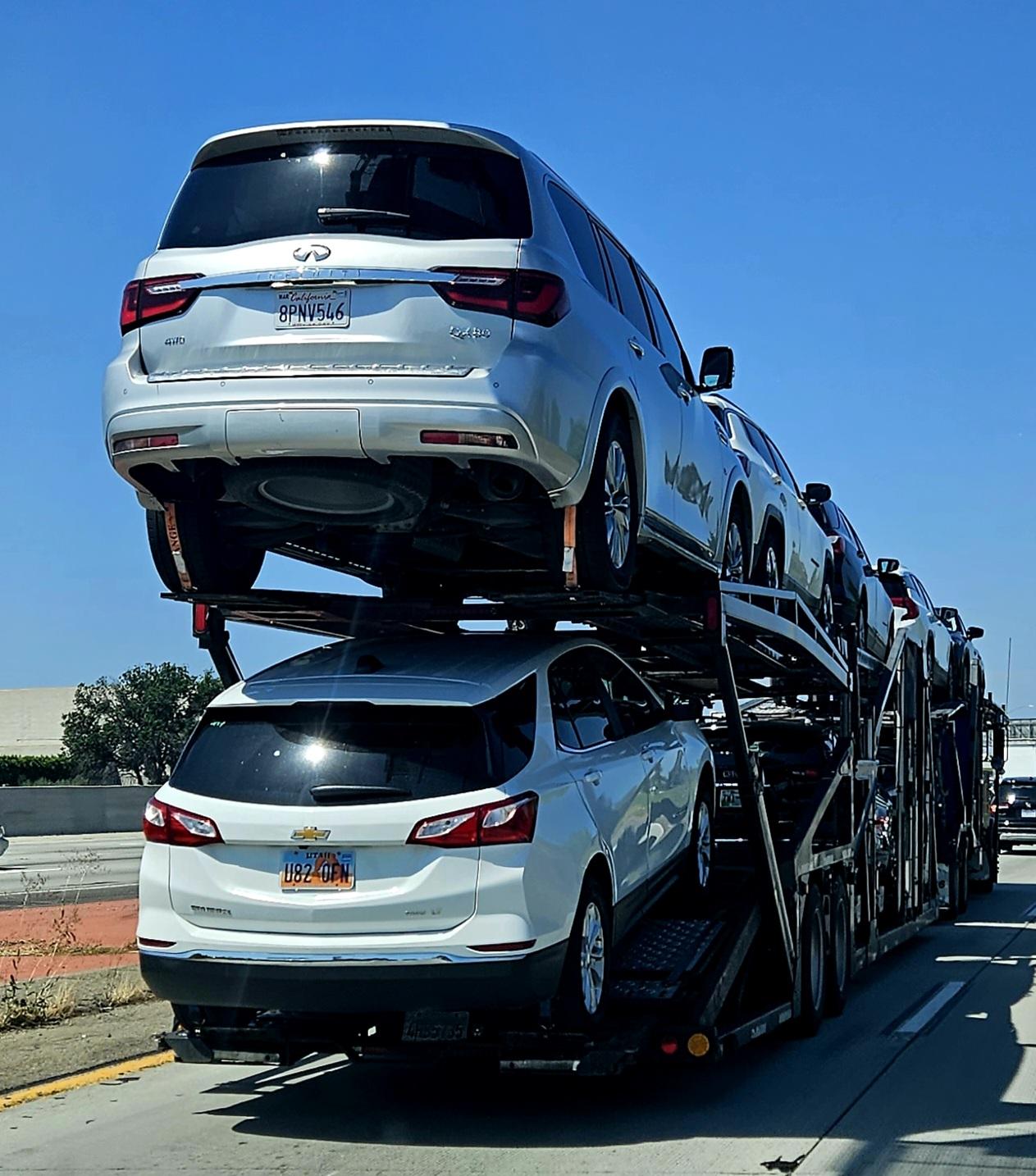
Pittsburgh advises applying for a moving permit at least one week before it is needed to reserve parking-lane space for a moving truck or container. Pittsburgh moving permit information
Investigate the permit before the truck is assigned
-
Make readiness verifiable
Ask DOMI whether that process covers the particular auto-carrier operation. Do not treat the moving-truck category as automatic authorization. Explain the truck length, ramps and proposed hours, and have the operator assess the approach. If the space cannot be approved, agree on a lawful alternative.
-
Check California receipt before dispatch
A seller, repair shop or representative should confirm that release conditions are satisfied. Tell dispatch if the vehicle cannot reliably start or has limited ground clearance; seek written acceptance of the required handling. Compare covered and open equipment only after confirming both can load your car.
-
Give the release contact the carrier’s details and the agreed payment
Give the release contact the carrier’s details and the agreed payment instructions. Record the vehicle’s condition before it leaves Pittsburgh and retain the signed handoff report.
-
Choose a receiver who can inspect the car during the delivery
Choose a receiver who can inspect the car during the delivery window. If the price ends at a terminal, obtain its address, collection hours and storage conditions. A delayed property move-in should trigger a revised receiving plan, not an unattended unloading request.
-
Get cancellation and rescheduling terms alongside the total charge
Get cancellation and rescheduling terms alongside the total charge. Investigate any title or registration work independently of transport, keeping the documents available after arrival.
Settle Pittsburgh loading space before assignment becomes urgent
If local permission or a curb arrangement may be needed, investigate it before the carrier is assigned and before the pickup window becomes narrow. Give the provider the exact street and property and ask what space its equipment requires. If the location is unsuitable, select an approved alternative with enough room to load safely. The permit or reservation question should follow the actual loading plan rather than drive it.
Make readiness verifiable to a Pittsburgh representative
Confirm keys, release authority and vehicle condition. If the owner leaves first, give a representative the carrier contact, approved pickup site and instructions for the condition record. If the car is at a business, garage or storage facility, confirm hours and access. State nonrunning condition, low clearance or modifications before dispatch so the representative is not asked to solve a special-loading problem at arrival.
Turn California into a city, property and receiver
Give the carrier the California endpoint and decide whether the property can accept a large transporter. If a terminal or meeting point is proposed, determine who moves the car from there. A running car and a nonrunning car create different last-mile choices. If the owner has not yet arrived, choose a receiver or facility that can lawfully hold the vehicle.
Turn this plan into comparable transport options
Use the actual vehicle, pickup and delivery details, timing and handling needs so every quote starts from the same scope.
Compare quotes after both city handoffs are fixed
Use identical Pittsburgh and California locations, vehicle condition, equipment and date flexibility. Ask who physically carries the vehicle, how updates are provided, and what waiting, storage, cancellation or rescheduling terms apply. A quote built around a facility handoff is not directly comparable with an address-delivery quote unless the customer adds the cost and effort of the remaining movement.
Send the Pittsburgh condition record to the California receiver
Photograph the vehicle at release and keep the pickup inspection. The California receiver should receive the record before arrival and inspect before signing. If delivery moves to another approved site, keep that communication with the records. This makes the custody chain clear even when the owner is absent at one end.
Use a Pittsburgh release checklist that survives an owner absence
The release representative should have keys, access, carrier contact, approved pickup location and the vehicle’s true condition. Give that person the owner’s instructions about alternate locations or price changes. If the car is at a business or storage site, verify that the facility recognizes the representative and the carrier. This prevents a driver from arriving to a vehicle that is physically present but not legally or practically releasable.
After pickup, send the condition record immediately to the California receiver. If the owner will not be there either, that receiver needs the same authority boundaries. A cross-country shipment can be completed entirely by representatives, but only when each person knows exactly which custody decisions they are authorized to make.
Check the California endpoint after the Pittsburgh carrier is assignedThe assigned equipment should be reviewed against the California property just as the Pittsburgh loading site is. Ask whether the transporter can unload there and whether a specialty or nonrunning vehicle changes the space needed. If an alternate site is required, inform the receiver and decide how the car completes the last short leg. This final review ties the actual truck to both ends of the move instead of assuming the initial quote described every access detail.
If the car is being purchased or collected from a business in Pittsburgh, verify that payment, release documents and storage charges are settled before the truck is dispatched. The carrier should not become the person waiting while seller and buyer resolve a commercial dispute. A vehicle can be physically ready and still not be releasable, so the administrative release deserves its own pre-pickup check.