
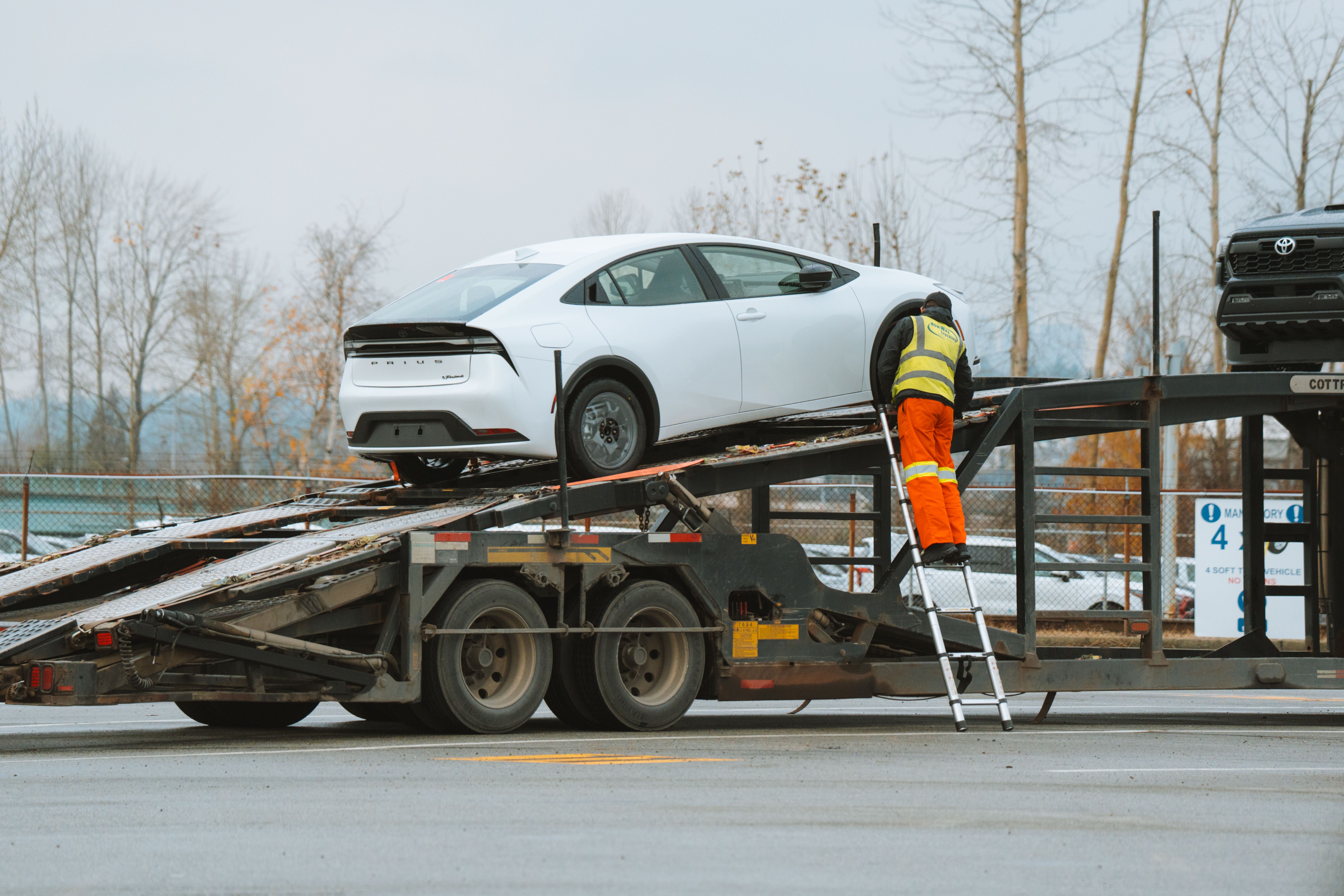
For San Francisco-to-New York transport, define a lawful San Francisco pickup or alternate meeting point and a specific New York endpoint. Connect the authorized releaser and receiver, decide whether service ends at a terminal or property, and preserve condition evidence across both handoffs.
Check the street rules as well as signs
-
Name the endpoint and receiving scope
Ask the city and operator what applies to the actual car-carrier operation. Describe the full truck and ramps, not just the car. If the street is unsuitable, agree on an authorized alternative and who takes the vehicle there.
-
Connect the release and receiving people
A New York state destination is not automatically New York City. If your receiver is in the city, request a borough-specific approach and loading plan; elsewhere, provide the actual property constraints. Ask whether the quote reaches the address or ends at a terminal.
-
For terminal service
For terminal service, obtain the collection location, hours and storage terms. Plan onward movement for a car that cannot be driven.
-
Give dispatch model
Give dispatch model, modifications, clearance and running condition. Choose suitable open or enclosed equipment, identify the hauler and review the full payment and cancellation terms.
-
Authorize the San Francisco release contact and send departure photographs to
Authorize the San Francisco release contact and send departure photographs to New York. The receiver should inspect against the report before signing and have the written damage-reporting process. Keep travel arrangements separate from an unsupported guaranteed delivery day.

Confirm a San Francisco loading place the assigned truck can use
Give the provider the exact origin street, grade, curb or garage situation and any planned temporary parking controls. Ask what space the assigned transporter needs and whether the location is acceptable. A posted or reserved curb does not override other restrictions or guarantee that a long truck can maneuver there. If the property is unsuitable, approve a meeting point and decide who moves the car to it.
Make “New York” a real endpoint
Specify the New York town or city, ZIP code, property and receiver. Do not let a quote assume New York City if the vehicle is going elsewhere in the state. If NYC is the destination, ask the carrier to evaluate its commercial approach and unloading plan. If it is not, keep city-specific restrictions out of the statewide plan. The final handoff should reflect the actual municipality and property.
Connect the two representatives before pickup
The San Francisco releaser and New York receiver should have the same booking details, carrier contact and vehicle description. If the owner is absent, define what each person may approve. Send the pickup condition record to the receiver before delivery. A clear communication chain prevents one side from accepting a location or schedule change that the other side does not understand.
Turn this plan into comparable transport options
Use the actual vehicle, pickup and delivery details, timing and handling needs so every quote starts from the same scope.
Compare equipment with both city access plans
Open or enclosed service should be priced for the same endpoints and vehicle condition. A low-clearance or nonrunning vehicle may need equipment that changes loading-space requirements. Ask whether the same equipment can serve the New York handoff. Review waiting, storage, cancellation and rescheduling terms in addition to the total price.
Protect the final custody transfer
Photograph the car at San Francisco pickup and keep the signed inspection. At New York delivery, inspect before moving the vehicle from the handoff location. If delivery is shifted to another approved site, retain that change in writing. If the car then enters storage, repair or another person's custody, create a separate record so the long-haul delivery remains identifiable.
Give the New York receiver a location-specific fallback
If the final address cannot take the transporter, the fallback should reflect the actual municipality. A New York City delivery may need a different type of meeting area from a suburban or upstate destination. Ask the carrier what space it needs and choose a location the receiver can lawfully reach. Do not use a generic “terminal” assumption unless the provider has actually proposed a facility.
The receiver should also know how the car leaves that site. If it is not road-ready, arrange another movement. If the owner is absent, define who may approve a changed location. This turns the broad state endpoint into a concrete custody plan that can be executed even when the original property is unsuitable.
Align New York arrival with the receiver’s actual availabilityAsk how much notice the carrier will give and choose a receiver who can respond within that process. If the primary person cannot attend, name a backup or a facility before departure. Do not use a narrow unconfirmed arrival expectation to plan a city curb or business intake that cannot move. A receiver plan that tolerates schedule changes protects the agreed handoff without asking the carrier to wait indefinitely.
If the New York destination is a business, garage or storage facility, verify its receiving hours before the San Francisco pickup. The carrier’s estimated arrival can shift, so identify a contact who can confirm whether the facility will remain available. If not, use a preapproved backup rather than asking the driver to wait or leaving the car at a place that was never part of the order.
A New York receiver who understands the final custody plan can reject an unsuitable last-minute handoff and ask for the agreed fallback instead of accepting a location that creates an unexpected local transfer.