
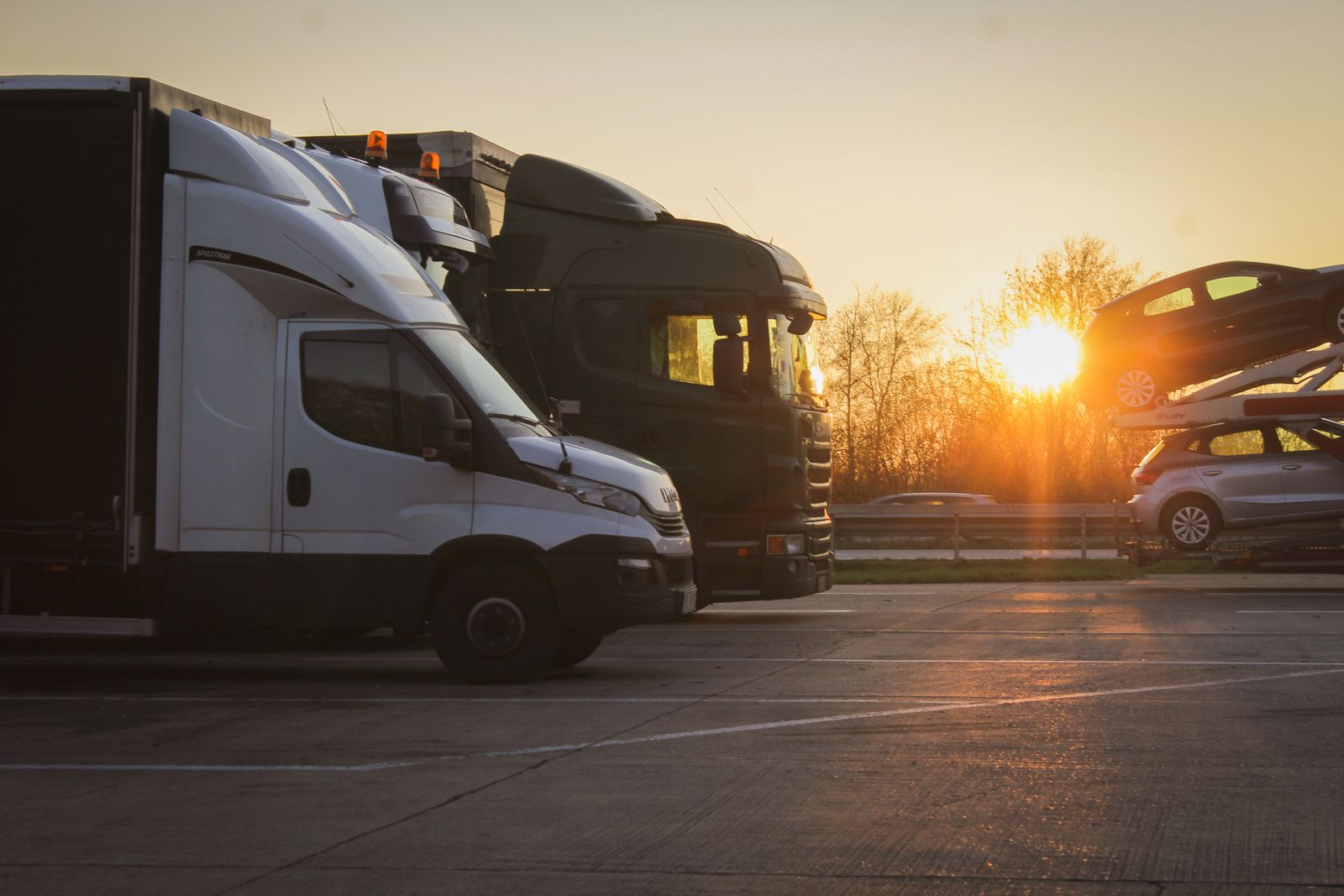
Seattle designates Major Truck Streets and freight connectors. Give the provider the actual pickup property and ask whether its equipment can serve that location directly or needs an agreed alternate handoff.
Use Seattle’s freight network to test the first-mile handoff
-
Keep over-legal and port rules conditional
Seattle has separate rules for over-legal vehicles and port-oriented freight networks. Neither applies automatically to an ordinary car pickup; use them only if the provider’s actual equipment or service model makes them relevant.
-
Add the receiving side without changing Seattle
The destination remains missing. Supply the real property and receiver, and keep the same Seattle handoff in each proposal.
-
Confirm the Seattle first mile
Make the provider name the pickup it can serve before the destination and route are compared.
Complete a Seattle-origin request
- Confirm the Seattle pickup property or agreed alternate handoff first, including any access limitation that affects the assigned transporter.
- Then add the destination property, receiver, vehicle condition, and delivery scope. Without that receiving side, the request is not yet a complete lane.
- Use the same Seattle handoff in each proposal so differences in price or service are not caused by changing the starting assumptions.
Finish the destination before turning a Seattle origin into a quote
“Ship a car from Seattle” defines the pickup city but not the job. Add the destination city, ZIP code, property, receiver and any date constraints. Until those details exist, a price is only a planning estimate because equipment availability, distance, destination access and final handling are unknown. Once the destination is chosen, ask the provider to restate both endpoints together before accepting dispatch.
Use Seattle freight context to test the first mile, not to promise the curb
The freight network can help a carrier plan an approach, but the exact pickup still depends on the property, turning space, grade and legal stopping. Tell the provider whether the vehicle is at a residence, apartment garage, dealership, business, storage facility or another location. If a long transporter cannot reach it, agree on a meeting point and decide who moves the car there. Do not assume a marked freight street guarantees loading permission.
Keep port and over-legal transport conditional
Seattle has port activity and specialized freight, but an ordinary vehicle shipment does not become a port move simply because the city has terminals. Add marine or oversize requirements only when the actual transaction involves them. For a normal passenger vehicle, focus on the pickup property, vehicle condition, equipment and destination. This avoids adding unnecessary handling or imagery to an inland task.
Describe the vehicle before asking a carrier to commit
State whether it starts, rolls, steers and brakes. Disclose low clearance, oversized tires, roof equipment or other modifications. Ask whether open or enclosed transport fits the vehicle once the destination is known. If special loading is required, confirm the method and whether the Seattle pickup location can support it.
Turn this plan into comparable transport options
Use the actual vehicle, pickup and delivery details, timing and handling needs so every quote starts from the same scope.
Create a release file that can be handed to the future receiver
Choose the Seattle releaser, provide keys and authority, and photograph the car before pickup. Keep the condition report and carrier contact. After the destination is finalized, send those records to the receiver and define the delivery fallback. This turns an origin-only inquiry into a complete custody plan rather than a one-sided request for a truck.
Questions that complete a Seattle-origin request after the destination is chosen
Ask whether the provider can serve both properties with the proposed equipment, who the actual carrier will be, how pickup and delivery updates are sent, and what waiting or storage rules apply. Confirm whether a meeting point is expected at either end. If the vehicle is a purchase, nonrunner or specialty car, add the transaction or loading facts that change the service.
Then read the final order with the Seattle releaser and destination receiver. Both people should see the same addresses, vehicle condition and authority rules. An origin-only search becomes a real shipment only when both custody points and the method between them are defined well enough for a carrier to execute without inventing the missing half of the job.
Use the destination to choose the right Seattle pickup methodOnce the destination is known, revisit whether direct pickup, a meeting point, open transport or enclosed equipment best fits the whole job. A specialty car going to a constrained urban destination may need a different plan from a standard running car going to an accessible suburban property. The origin-only keyword does not determine method. The complete route, vehicle condition and customer priorities should decide how the Seattle handoff is executed.
After a destination is chosen, ask the provider to confirm the total price, the actual carrier or assignment process, and the customer responsibilities at both ends. An origin-only planning estimate should be replaced by a complete written order before keys change hands. The Seattle representative and destination receiver should both have that final version so no one is relying on the earlier incomplete inquiry.
Once the route is complete, replace any preliminary estimate with the final written scope before pickup. That is the version both representatives should use for location, equipment, timing and authority decisions.