
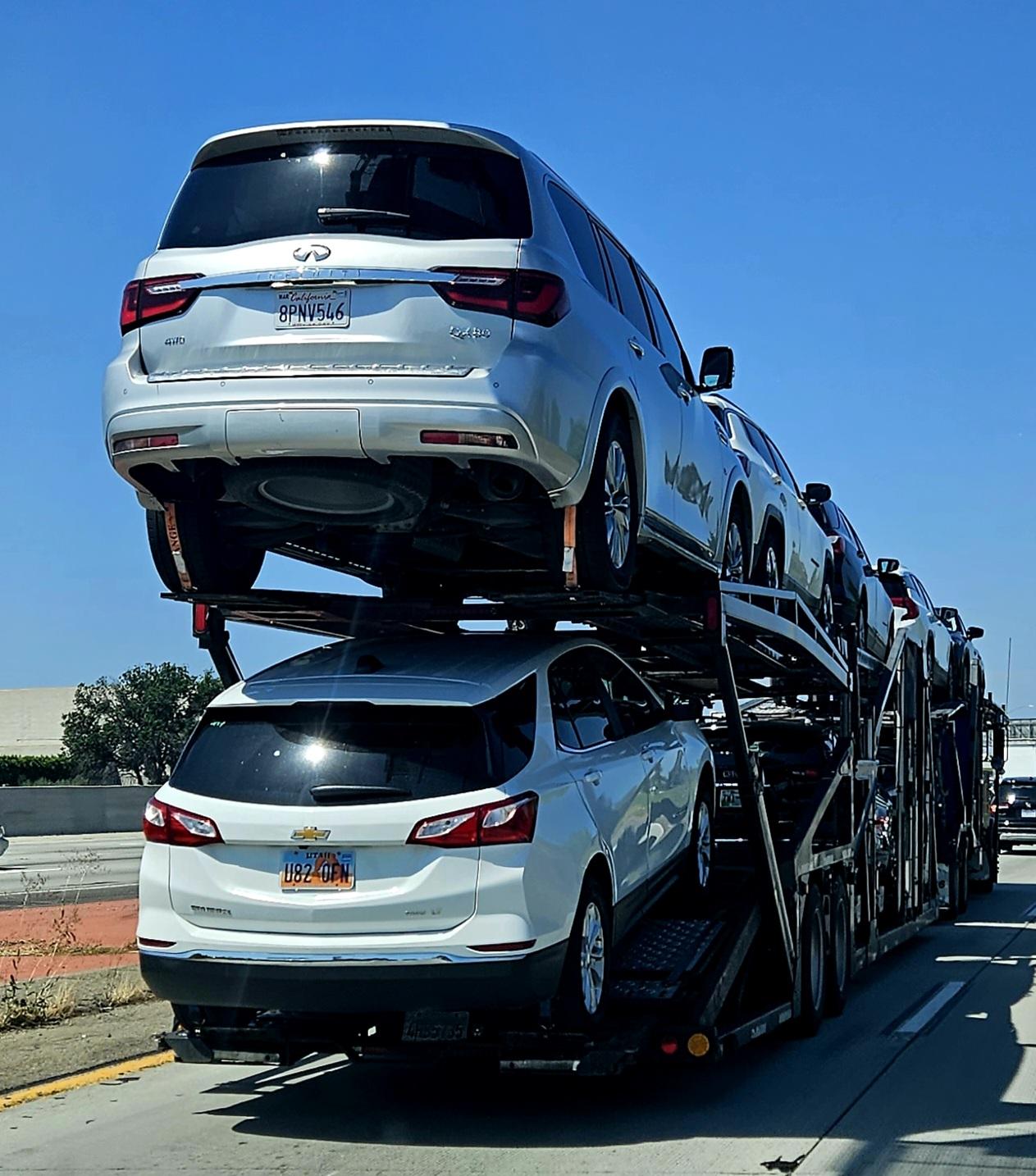
For South Carolina-to-California transport, confirm the South Carolina releaser, the exact California property and receiver, and any California ownership or registration issue that affects the post-delivery plan. Compare open, enclosed, or terminal alternatives on the same vehicle and endpoint assumptions.
Check California requirements for the transaction
-
Compare complete endpoints
Review the complete official requirements for your vehicle and circumstances, including any applicable emissions or eligibility limitations. A carrier’s bill of lading is not a title, and physical delivery does not guarantee registration. Resolve missing seller documents while the transaction parties are still available.
-
Give dispatch a ready vehicle and authorized contact
Confirm keys, payment or shop-release conditions and pickup hours. Describe clearance, modifications and operating faults when choosing equipment. Ask the hauler to review the property approach and any alternative site before dispatch.
-
Ask whether the price reaches the receiving property or ends at
Ask whether the price reaches the receiving property or ends at a terminal. For terminal collection, obtain the address, release requirements, storage terms and onward plan. State the earliest date the receiver can accept the car.
-
Compare open or enclosed service on matching scope
Compare open or enclosed service on matching scope, full charges and cancellation rules. Save departure photos, send the report to California and obtain inspection and claim instructions before release.

Resolve California ownership questions before South Carolina release
If this is a purchase, use the actual vehicle records to review the California requirements relevant to your intended registration or use. Confirm title or lien status, seller authority, VIN, mileage and any certification issue that could affect the transaction. If it is a relocation of a car you already own, follow the process for that circumstance. Do not let a transport deadline force the purchase forward before an eligibility question is understood.
Make the South Carolina vehicle physically ready for pickup
Confirm the exact property, access hours, keys and person authorized to release the car. Tell the carrier whether it starts, rolls, steers and brakes and disclose modifications. If the owner is absent, give the representative the pickup instructions and authority to review the condition report. A seller or storage facility should know which carrier is coming and what vehicle it is collecting.
Define the California endpoint around the next custody
Choose the address, receiver and property type. If the car is going to a residence, confirm transporter access; if it is going to a dealer, repair shop or storage facility, confirm hours and acceptance. If a meeting point is necessary, decide who handles the final short movement. A nonrunning or newly purchased car may need a different downstream plan from a normal daily driver.
Compare complete endpoints and handling
Ask every provider to price the same South Carolina pickup, California handoff, vehicle condition and equipment. Review open versus enclosed service, carrier identity, transfer expectations, waiting, storage, cancellation and payment. If one quote assumes a terminal or wider date window, account for the difference. The transport decision should reflect the service you will actually use after the purchase or relocation decision is settled.
Turn this plan into comparable transport options
Use the actual vehicle, pickup and delivery details, timing and handling needs so every quote starts from the same scope.
Separate seller evidence from carrier evidence
Keep listing or seller photographs, carrier pickup inspection and California delivery inspection as distinct records. Send the pickup condition record to the receiver before arrival. Inspect before signing and use the contracted reporting process for transport-related differences. This sequence helps distinguish a pre-existing seller issue from a condition change during transport.
Give the California buyer a checkpoint before South Carolina dispatch
When the seller confirms payment, title path and vehicle condition, pause long enough to decide whether every issue that could stop the purchase is resolved. If a California eligibility or document question is still material, address it before the carrier takes custody. This prevents shipping expense and distance from becoming pressure to accept a transaction that was not ready.
After that checkpoint, send the carrier the final pickup instructions and send the California receiver the expected condition evidence. Keeping the purchase decision separate from transport execution helps each party understand its role: seller releases the agreed vehicle, carrier moves it, and buyer handles the California transaction that follows.
Make the California receiver ready for a vehicle the buyer has not seenIf the buyer did not inspect the car in South Carolina, the receiver should have the sale photos, seller disclosures and carrier pickup record before delivery. Those records answer different questions but together give the receiver a useful reference. At handoff, inspect transport condition first, then separately note any seller-condition concern that was already visible at pickup. This avoids treating the carrier as responsible for a pre-existing issue or overlooking a transport-related difference.
If the California destination is a dealership, inspection site or repair facility, confirm that it will accept a transporter delivery and that the correct department is open. If not, choose a receiver or interim location before the South Carolina release. The buyer should not discover at delivery that the planned destination is unavailable and then ask the carrier to improvise a new custody arrangement.
Reconfirm the California receiver shortly before dispatch so the seller, carrier and buyer all have the same endpoint and contact. A changed receiving plan should be settled before the South Carolina car is released.