
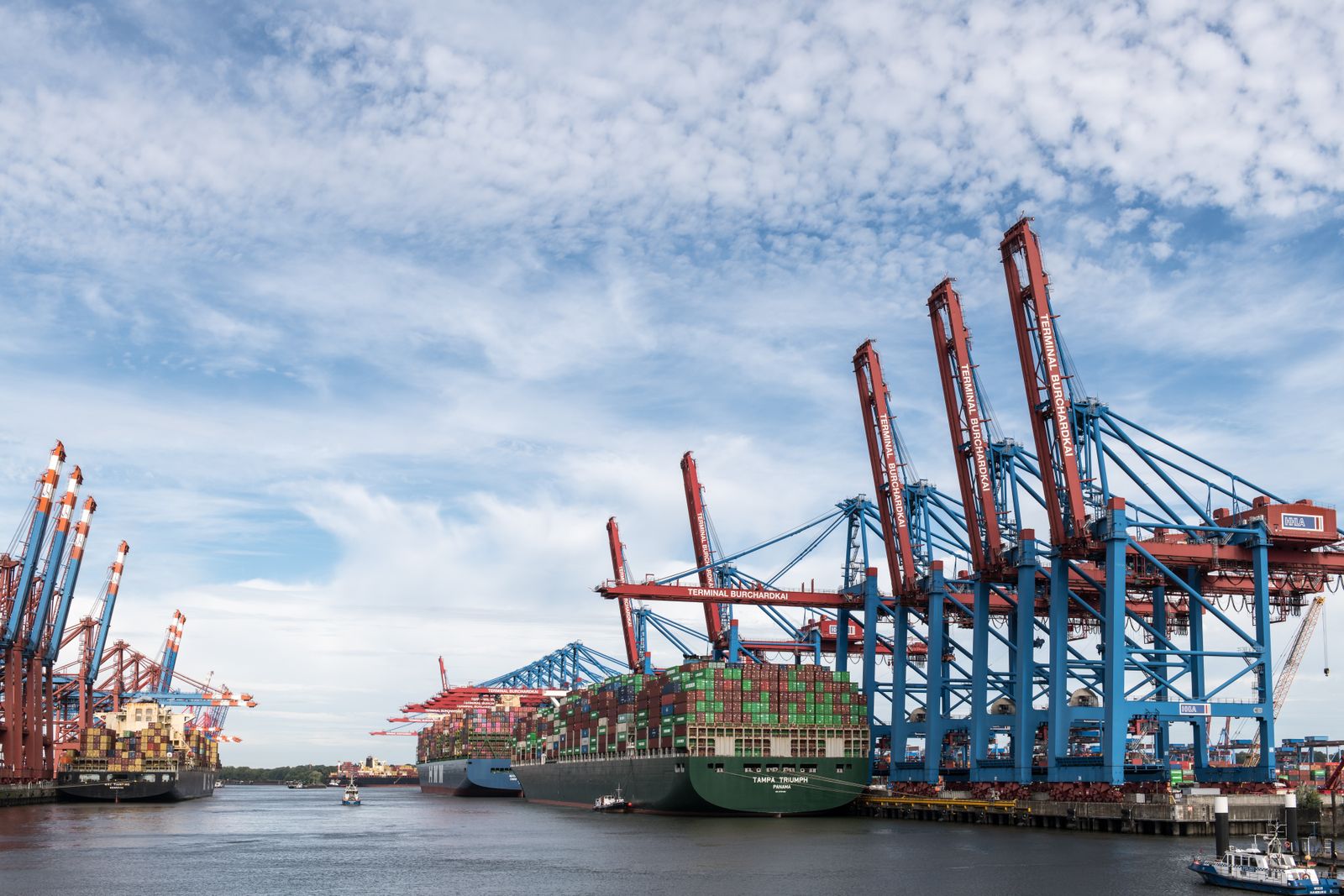
Ask the provider to identify the mainland receiving terminal and Hawaii arrival port in the proposed service. Confirm whether any onward or inter-island movement is included. Do not assume a price described only as “to Hawaii” reaches your island or home.
Specify the final usable handoff
-
Confirm this vehicle is acceptable before it leaves Texas
Decide whether you can deliver the car to the mainland terminal yourself. If you need collection in Texas, have that road segment, its timing and its responsibility for terminal acceptance written into the quote.
-
Prepare for a separate entry process
Hawaii’s Department of Agriculture and Biosecurity lists cars, trucks, vans and other driven equipment among the commodity types requiring entry inspections. Hawaii entry-inspection guidance
-
Make the connection between contracts visible
Ask the ocean operator for current preparation instructions and the agency guidance relevant to your vehicle. Pay particular attention to dirt, plant material and items you propose to leave inside; obtain a definite answer rather than assuming the car can carry household belongings. An accepted transport booking does not itself confirm inspection release.
-
Question for the booking
Question for the booking: Who ensures the car reaches the receiving point within its acceptance window?
-
Question for the booking — who / arranges
Question for the booking: Who arranges a revised booking and approves storage or other added costs?
-
Question for the booking — how / will
Question for the booking: How will you obtain records when custody changes between operators?
-
Question for the booking — who / tells
Question for the booking: Who tells the receiver the car is available, and what authorization is required?
-
Report its powertrain
Report its powertrain, operability and any modifications. Obtain the applicable instructions for fuel or charge, keys, alarms, documents and contents. These are operator-specific questions; this page does not establish a sailing date, uniform fuel rule or acceptance of a damaged vehicle.
-
Arrange personal travel around a confirmed collection procedure
Arrange personal travel around a confirmed collection procedure, not just an estimated vessel arrival. Ask when holding charges could begin and how a substitute collector would be authorized if you are not on the island.
Make the connection between contracts visible
| Responsibility | Question for the booking |
|---|---|
| Terminal delivery | Who ensures the car reaches the receiving point within its acceptance window? |
| Missed connection | Who arranges a revised booking and approves storage or other added costs? |
| Condition records | How will you obtain records when custody changes between operators? |
| Island release | Who tells the receiver the car is available, and what authorization is required? |
Responsibility: Terminal delivery
Responsibility: Missed connection
Responsibility: Condition records
Responsibility: Island release
Write the Texas-to-Hawaii move as three possible services
Separate the Texas road leg to a mainland terminal, the ocean leg, and the Hawaii terminal-to-final-destination leg. Ask whether one company coordinates all three or whether you must book them separately. Identify the island, receiving terminal and final address. If the quote ends at port release, do not treat it as equivalent to an offer that includes island-side delivery.
Turn this plan into comparable transport options
Use the actual vehicle, pickup and delivery details, timing and handling needs so every quote starts from the same scope.
Check that the car is acceptable for the ocean segment before it leaves Texas
Use the booked ocean operator's current instructions for documents, keys, personal property, alarms, fuel or charge, dimensions and operating condition. A financed, leased, modified or nonrunning vehicle may require additional authorization or handling. Give the Texas road carrier the same terminal requirements so it does not deliver a vehicle that the ocean service will reject.
Make the mainland terminal connection visible
Confirm where the Texas road carrier's custody ends and when the ocean carrier's responsibility begins. Ask what happens if road pickup or terminal acceptance misses a cutoff. Keep receipts and condition records at the transition. If separate providers are used, decide who monitors the connection rather than assuming the companies will coordinate automatically.
Plan Hawaii release for the actual island receiver
Choose the authorized collector or island-side carrier and confirm release requirements. Do not schedule a flight or local appointment solely from an estimated vessel arrival. Ask how actual vehicle availability is communicated and what storage rules apply. If another road leg follows, make sure the vehicle's condition and operability fit that plan.
Compare total movement and custody evidence together
List road, ocean, terminal, storage and final-delivery costs that may be separate. Photograph the car before Texas pickup and preserve inspection records at each transfer. Send the earlier evidence to the island receiver. A multimode quote is complete only when the customer understands both the money and the responsibility at every handoff.
Plan island-side custody for a release that does not match the owner’s travel
If the vehicle becomes available before the owner arrives, choose an authorized collector or facility that can take custody under the ocean provider’s rules. If the owner is already on the island but release is delayed, avoid arranging a local road carrier around an estimated time that has not been confirmed. Ask who sends the actual release notice and what storage terms apply.
At the handoff, keep the Texas pickup evidence and ocean records available. If another carrier handles the final island movement, create a new condition record before that carrier takes the car. This preserves a clean chain across the Texas road leg, ocean segment and island-side transfer.
Clarify which provider answers when a Texas-to-Hawaii connection failsAsk who the customer calls if the Texas road carrier misses the terminal cutoff, if the ocean schedule changes or if island release is delayed. If the services are sold under separate contracts, each provider may control only its own segment. Record the escalation path and storage or rebooking rules before pickup. A multimode plan is much easier to manage when the customer knows who can actually fix each type of disruption.