
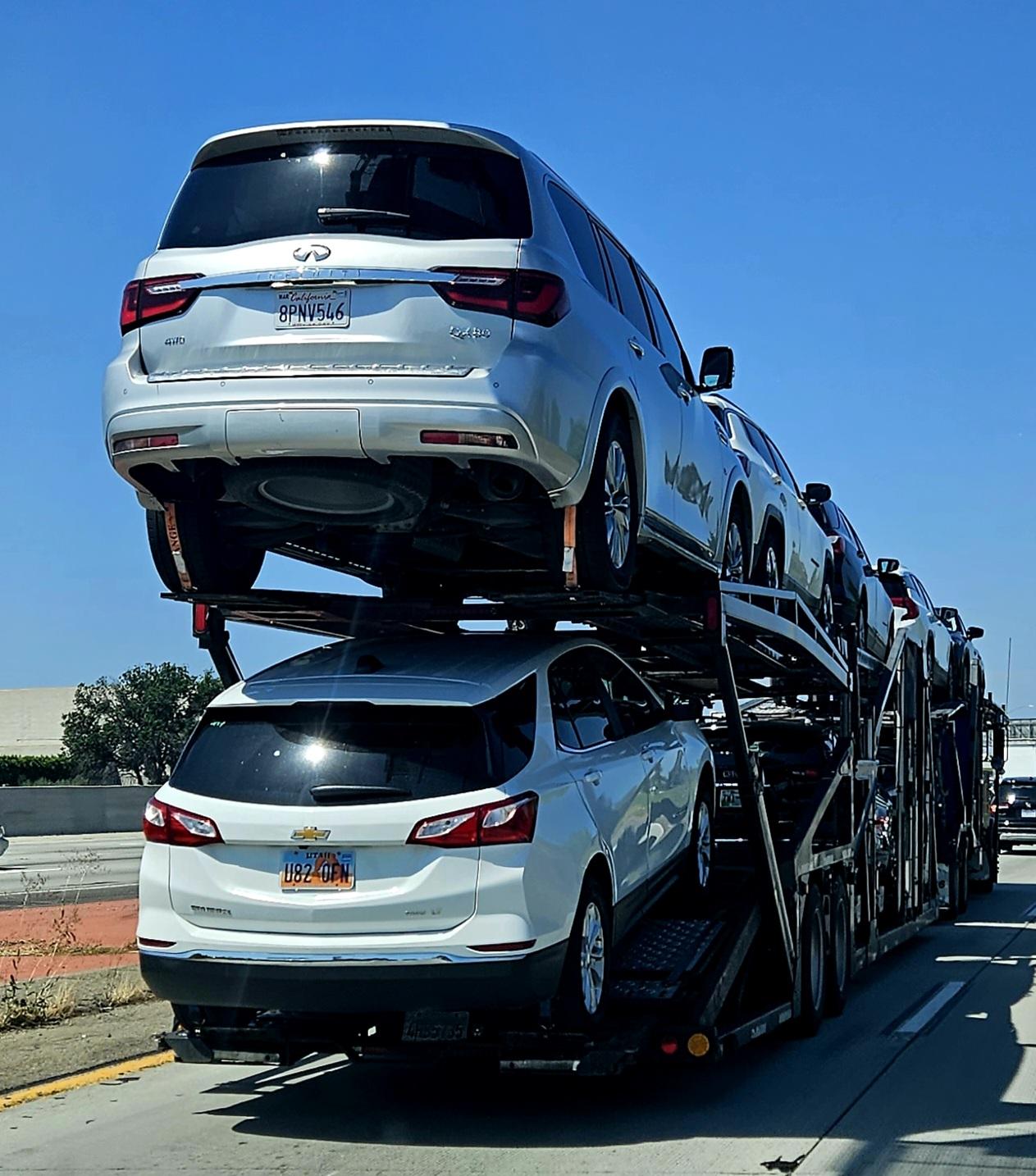
California DMV publishes guidance on whether a vehicle bought outside California can be registered in the state, including certification restrictions and exceptions. California DMV out-of-state purchase guidance
Check the vehicle decision before the truck decision
-
Prepare a release instruction the seller can follow
Review the guidance for your residency, acquisition and particular vehicle. Ask the seller for the information needed to assess it; do not assume a carrier’s willingness to haul the car establishes eligibility for California road use. Where the answer is unclear, obtain it from the relevant authority before committing to the purchase and shipment.
-
Keep the receiving and price terms specific
For an existing vehicle, still keep your document planning separate from loading acceptance. The provider needs accurate operating and clearance information for the physical move.
-
Confirm the Utah pickup address
Confirm the Utah pickup address, available hours, release authority and keys. Ask the provider how the seller should verify the hauling company when it is assigned. If payment or paperwork is incomplete, resolve that with the seller instead of sending a transporter into an uncertain release.
-
Arrange photographs and a condition record at collection
Arrange photographs and a condition record at collection, even if you cannot attend. Ask how you will receive the signed record and share it with whoever will inspect the car in California.
-
Give the provider the California property’s access limits and the receiver’s
Give the provider the California property’s access limits and the receiver’s availability. An alternate meeting point should identify who moves the car onward and whether extra handling is included. For a car that cannot be driven, that question must be settled before release.
-
Compare the written total
Compare the written total, equipment and schedule assumptions. Ask which changes require a new price and what cancellation terms apply if the vehicle is not released on time. Plan essential travel around the commitment in the agreement, not an unconfirmed estimate based on the two states.
Decide whether this is an owner move or a California purchase first
If you already own the car, the main pre-transport questions are vehicle readiness, release authority and the California handoff. If you are considering a Utah purchase, add seller identity, payment, title or lien status, mileage and any California eligibility issue that could affect the transaction. Resolve a question that could stop the purchase before the carrier is sent. Transport should not be used to create pressure to accept a vehicle you have not finished evaluating.
Give the Utah seller or releaser instructions they can actually follow
Provide the carrier name when assigned, pickup window, exact entrance and the person authorized to release keys. Confirm whether the vehicle starts, rolls, steers and brakes and disclose modifications or low clearance. If the car is at a dealership, auction or storage site, verify its transport-release procedure. A clean written release keeps the seller from improvising when the truck arrives.
Turn this plan into comparable transport options
Use the actual vehicle, pickup and delivery details, timing and handling needs so every quote starts from the same scope.
Choose the California receiver and final property deliberately
Decide whether the car goes to a home, dealer, shop, storage facility or another person. Confirm access and hours. If a large transporter cannot reach the property, approve an alternate site and determine how the car moves from there. A nonrunning or unregistered vehicle may need towing rather than an assumed short drive.
Keep the receiving and price terms specific
Compare the same Utah origin, California endpoint, vehicle condition, shipping method, equipment and availability. Ask who the carrying company is, whether transfers are expected, and what waiting, storage, cancellation or rescheduling rules apply. If one quote ends at a facility or uses a different equipment class, note that before treating the totals as comparable.
Use evidence to separate purchase condition from transport condition
Ask the Utah seller or representative for current photographs before pickup and keep the carrier's inspection. Send those records to California. At delivery, inspect before signing. Seller evidence, pickup evidence and delivery evidence document different stages; keeping them separate helps identify whether a problem existed before transport or arose while the carrier had custody.
Review the California destination after the carrier is assigned
Once the actual transporter is known, reconfirm the destination access and vehicle condition. A trailer type that fits the vehicle may still need more turning or unloading space than the original property provides. If a new meeting point is proposed, decide whether the receiver can lawfully reach it and whether the vehicle can be driven away. Put the revised plan in writing before the Utah pickup.
For a purchase, send the buyer the pickup condition record as soon as the seller releases the car. The buyer can then compare the vehicle at delivery against a transport-specific record rather than relying only on sale photos. This is particularly useful when the buyer never inspected the car in Utah personally.
Keep California purchase paperwork and transport evidence in separate filesStore the purchase agreement, title or lien records and seller communications separately from the carrier’s pickup inspection, dispatch messages and delivery record. Both sets matter, but they answer different questions. If the buyer later faces a registration issue, the ownership file is the starting point; if a condition difference appears, the transport file is. This separation makes follow-up faster and prevents the carrier from being drawn into a seller or DMV issue outside its role.