
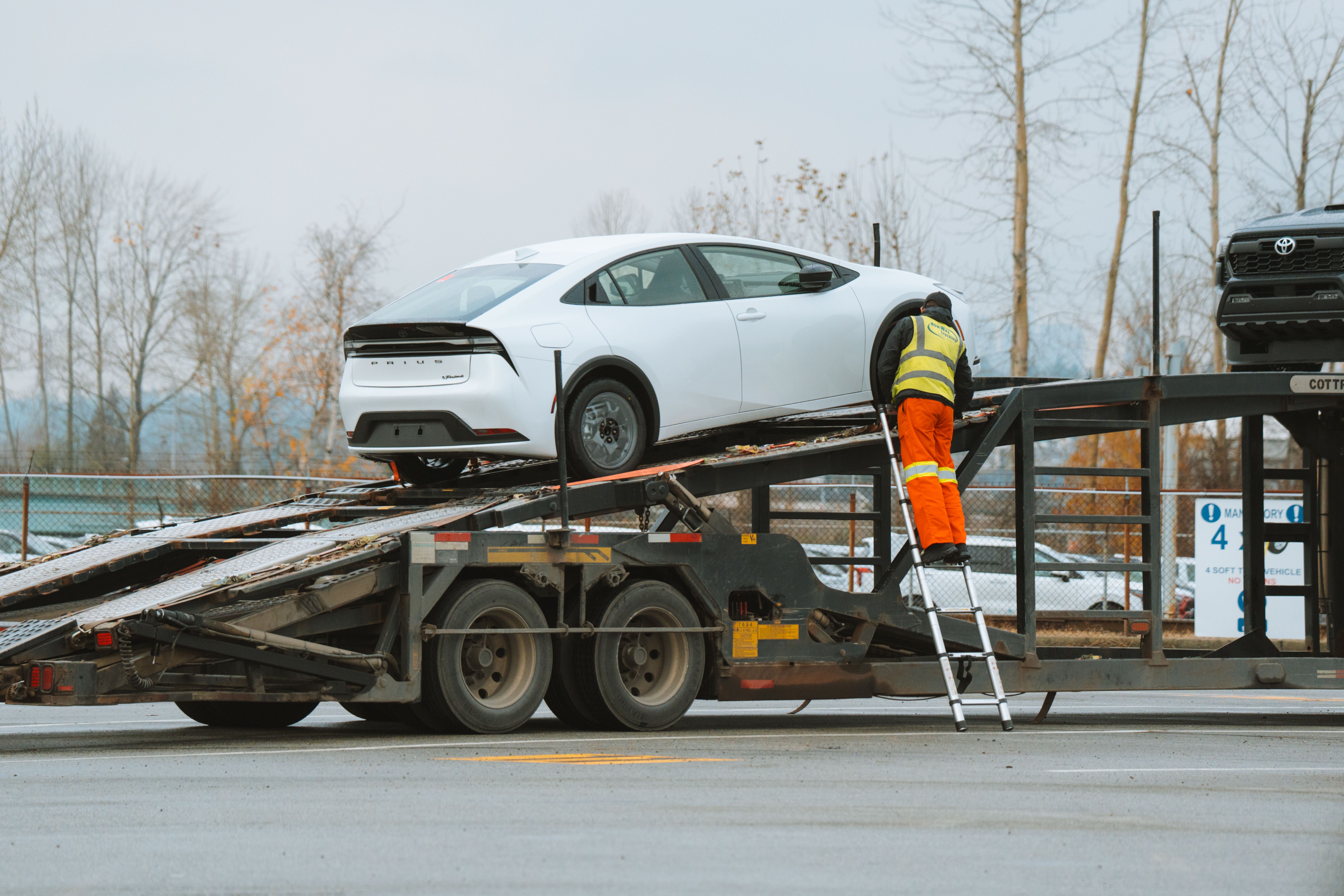
Give providers the Virginia address, California destination, vehicle model and condition, equipment preference and collection flexibility. Include any date after which the original releasing person is unavailable. Ask whether the offer needs a different meeting point.
Request a total for a defined release
-
Prepare the person handing over the keys
Compare written totals and exclusions rather than an unsourced state-to-state average. Loading help, an extra local transfer or storage should be described if part of the proposed service. Ask who approves a revised charge and when each payment is due.
-
Keep your vehicle paperwork available
Follow the provider’s procedure for authorizing a friend, relative or property contact. Give that person the booking reference and instructions for verifying the assigned hauler. They should understand the vehicle’s existing condition and have time to record the handoff.
-
Put the recipient in the same information chain
Arrange a way to receive photographs and the signed pickup record promptly. Do not leave the delegate to decide whether a different carrier or unexpected charge is acceptable without being able to reach you.
-
California DMV maintains guidance for registering vehicles brought from another state
California DMV maintains guidance for registering vehicles brought from another state. California DMV vehicle registration resources
-
Check the current requirements for your own situation separately from the
Check the current requirements for your own situation separately from the transport booking. Do not assume the car’s arrival completes registration or that the carrier holds the documents needed for it. Retain important originals securely and provide only what the actual release process requires.
-
Send the California contact the pickup record and dispatch details
Send the California contact the pickup record and dispatch details. Confirm where and when they may receive the car, including property restrictions. If the estimated arrival changes, agree a substitute receiver or other arrangement and its cost before the truck reaches an unavailable property.
-
useful quote is the one whose people
The useful quote is the one whose people, equipment and handoffs fit together, with uncertainty stated in the written terms.
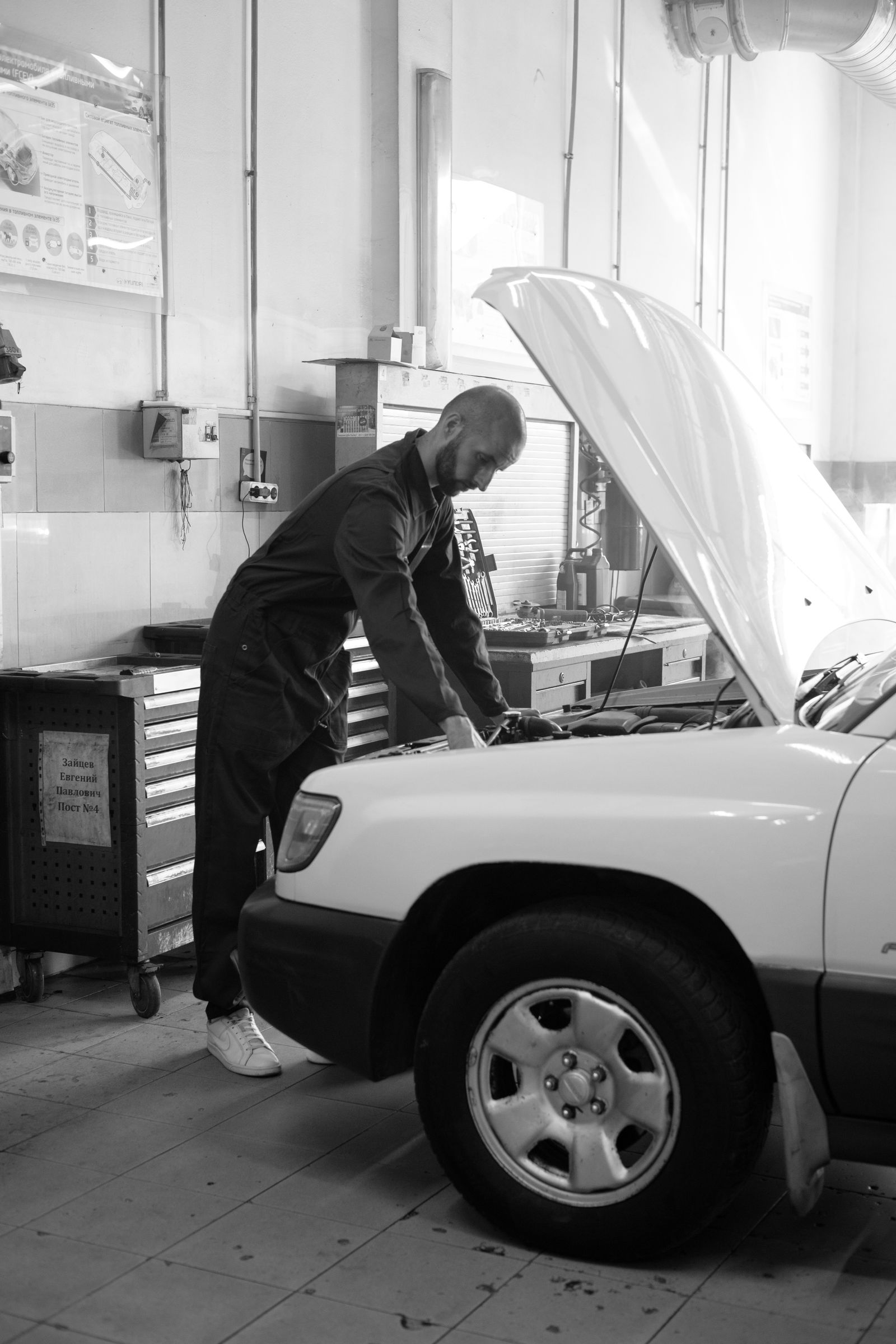
Make the Virginia release and California receipt one continuous plan
A coast-to-coast booking is easier to compare when both ends are defined before you judge price. In Virginia, identify who can release the vehicle, how that person will verify the assigned hauler, and whether the pickup property can accommodate the equipment. In California, name the actual receiver and the place where that person can inspect the car. If either address has a gate, steep approach, narrow street, parking rule, or limited operating hours, put that constraint in the request rather than waiting for dispatch to discover it.
Ask the provider to distinguish the requested pickup window from the date a truck is actually assigned. If you are leaving Virginia before collection, decide who can act for you and which decisions that delegate may make. A useful authorization should cover key release, condition photographs, the pickup record, and a way to reach you if the proposed meeting point or charge changes. The California receiver needs the same booking reference and should know which payment, inspection, and signature steps remain at delivery.
Turn this plan into comparable transport options
Use the actual vehicle, pickup and delivery details, timing and handling needs so every quote starts from the same scope.
Compare offers by the same service assumptions
Keep the endpoints, vehicle condition, equipment choice, and date flexibility constant when comparing proposals. A lower total is not directly comparable if it assumes a different California handoff, excludes a local transfer, or depends on wider pickup flexibility than you can provide. Ask what happens if the truck cannot reach either address and whether a substitute meeting point changes the total. For a nonrunning or modified car, confirm the loading capability in writing rather than treating “vehicle transport” as enough detail.
Before release, remove ordinary personal property that is not part of the agreed service, keep important ownership documents secure, and photograph all sides of the vehicle in usable light. At delivery, compare the vehicle with that record before the receiver signs the final condition paperwork. Registration or title work in California is a separate administrative task; plan it alongside transport, but do not assume the carrier completes it simply because the car arrived.
Questions to close before the Virginia pickup window opens
Ask who is responsible for contacting the releasing person once a carrier is assigned, what information that person receives, and how a failed pickup attempt is handled. If the Virginia contact cannot remain available for a broad window, discuss that constraint before assignment instead of after a driver is committed. Also confirm whether the vehicle may contain toll tags, parking passes, or removable accessories that should be taken out before transport. These small release details prevent a delegate from having to improvise on collection day.
For California delivery, decide in advance what the receiver should do if the vehicle arrives with a condition concern or if the truck proposes a different location. The receiver should know whom to call before signing, which photographs to preserve, and whether payment can be completed without waiving a condition notation. This makes the final handoff an inspection decision rather than a rushed exchange of keys.
If the vehicle is financed, leased, recently purchased, or moving for someone other than the registered owner, identify any authorization questions before pickup rather than asking the driver to interpret them. The transport provider can explain its release requirements, but ownership or registration questions should be resolved through the appropriate party. Keep copies of the booking and condition records available during the move so a change in contact person does not separate the vehicle from its documentation.