
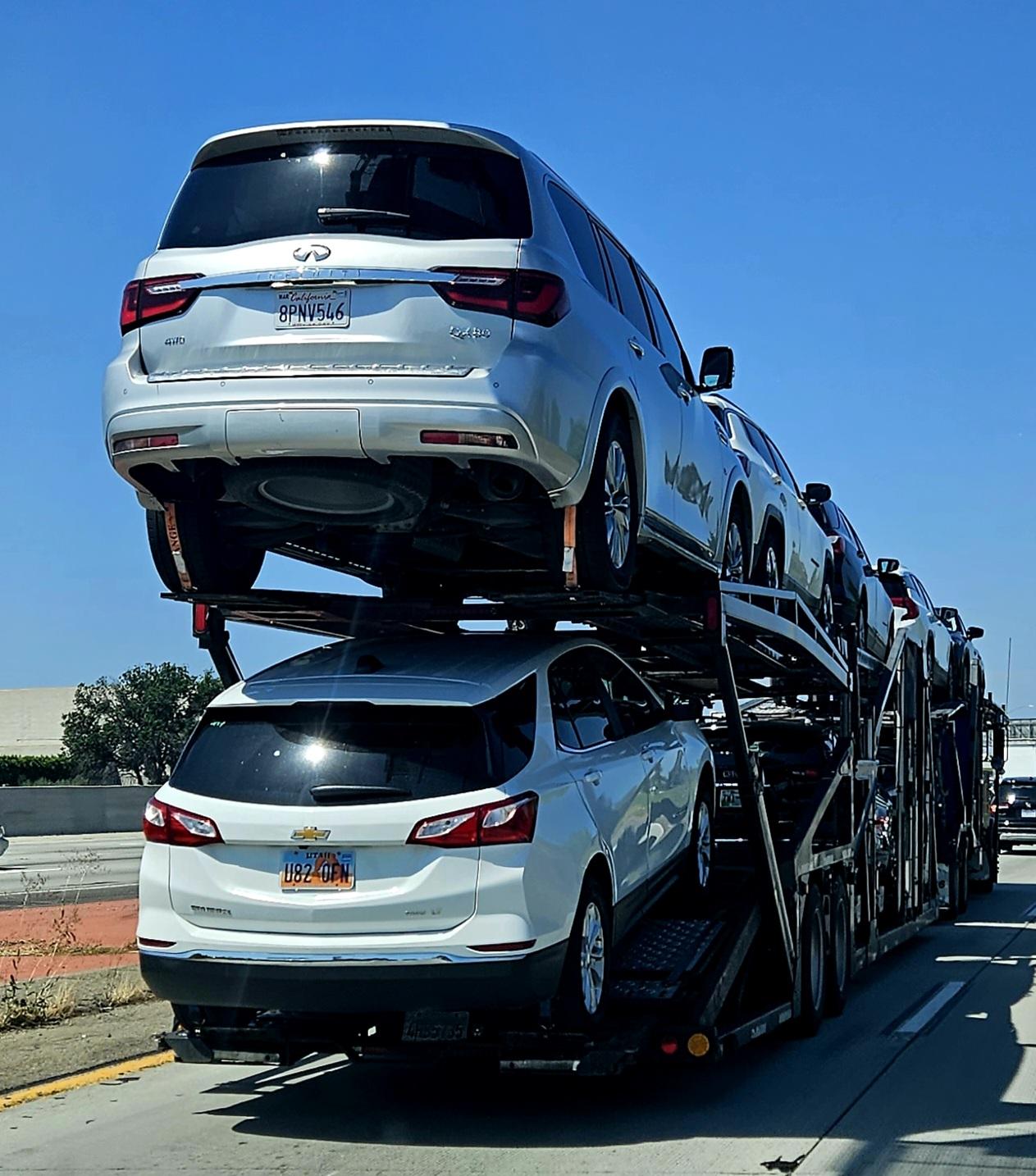
SFMTA says temporary no-parking signs are intended for purposes such as moving vehicles or containers and are not for reserving personal parking. SFMTA temporary signage guidance
Check the purpose of the temporary signs
-
Put the driver and receiver on the same plan
Ask SFMTA how its process applies to the specific carrier handoff being proposed. Give the location, equipment and dates rather than treating temporary signage as a general right to reserve a street space.
-
Agree what happens when the original plan fails
If the receiving property has its own loading area, ask its manager about access and hours and have dispatch assess the approach. A building’s permission does not settle use of the public street; a street arrangement does not grant access to a private garage.
-
Ask the provider for the equipment dimensions and the arrival-window commitment
Ask the provider for the equipment dimensions and the arrival-window commitment it can actually make. Decide who handles any application, posting or other required preparation. Have that person share the approved details with the recipient and dispatch before departure from the origin.
-
recipient needs authority to accept the car
The recipient needs authority to accept the car, the assigned carrier information and the pickup condition record. Arrange inspection and a retained delivery document. If the recipient’s availability is narrow, establish a substitute and the provider’s authorization requirements in advance.
-
changed arrival window
A changed arrival window, unavailable space or unsuitable approach should trigger a defined decision. Ask who approves another site, any added movement and the resulting cost. Check permission for the replacement location instead of relying on the driver or recipient to find an empty curb at the last moment.
-
Specify the origin release details and vehicle condition when requesting prices
Specify the origin release details and vehicle condition when requesting prices. If the car is not drivable, include onward handling from any alternate site. Compare cancellation, waiting and payment terms together with the full destination scope. A workable San Francisco delivery keeps signage, truck access and the person accepting the car synchronized.
San Francisco delivery requires an access decision before dispatch
A San Francisco address can be a poor place for a full-size auto transporter even when the neighborhood is reachable by ordinary cars. Give the provider the exact destination and describe steep grades, narrow approaches, garages, gates, or curb restrictions that could affect unloading. Ask the carrier to confirm whether it expects to reach the address or use a larger nearby meeting area. Do not leave that decision until the driver is already in the city with the vehicle on board.
Turn this plan into comparable transport options
Use the actual vehicle, pickup and delivery details, timing and handling needs so every quote starts from the same scope.
If an alternate handoff is likely, choose one for operational reasons rather than convenience alone. The location needs enough legal and physical space, a receiver who can get there during the arrival window, and a plan for the final miles. A nonrunning or very low vehicle may need a separate local transfer or specialized loading capability. Establish who arranges and pays for that step before comparing the quote with a proposal that includes a different delivery method.
Keep equipment and timing tied to the actual vehicle
Tell the provider whether the car runs and disclose modifications, low clearance, unusual dimensions, or high-value condition. Ask whether the assigned equipment is suitable and whether open or enclosed transport is being quoted. A carrier that can reach a broad Bay Area terminal or meeting point is not automatically promising door access in San Francisco. Keep the equipment choice, endpoint, and pickup flexibility constant when comparing written offers.
At pickup, photograph the vehicle and preserve the signed condition record. Send that record to the San Francisco receiver along with the booking reference and arrival instructions. The receiver should understand what balance is due, how much notice is expected, and how to document any condition issue before signing. If the arrival window changes, handle it as a receiving-plan change rather than forcing an unsafe curbside unload. The useful endpoint is a permitted, inspectable handoff—not simply a city name on the order.
Test the San Francisco fallback before you rely on it
A proposed meeting location should be checked for more than map distance. Confirm that the driver can enter and exit without a prohibited turn or clearance problem, that the property owner allows the exchange, and that the receiver can wait there without blocking traffic. If the receiver is unfamiliar with the city, send the exact location before arrival rather than trying to direct the truck and the car simultaneously by phone.
For high-value, collector, or very low vehicles, ask how loading angle and tie-down method interact with the proposed equipment. Enclosed transport may reduce exposure but does not automatically solve every clearance issue. The provider should confirm that the actual assigned equipment can load the vehicle. Preserve that equipment discussion with the booking so the delivery plan reflects the car you own, not a generic passenger vehicle.
If the destination is a garage or private building, separate the transporter's unload point from where the car will ultimately be parked. The large truck may need to stop on a wider street while the receiver drives the final blocks. Confirm that the car is legally and mechanically ready for that movement. If it is not, the final-mile plan needs another service rather than an assumption that the carrier can enter the garage.