
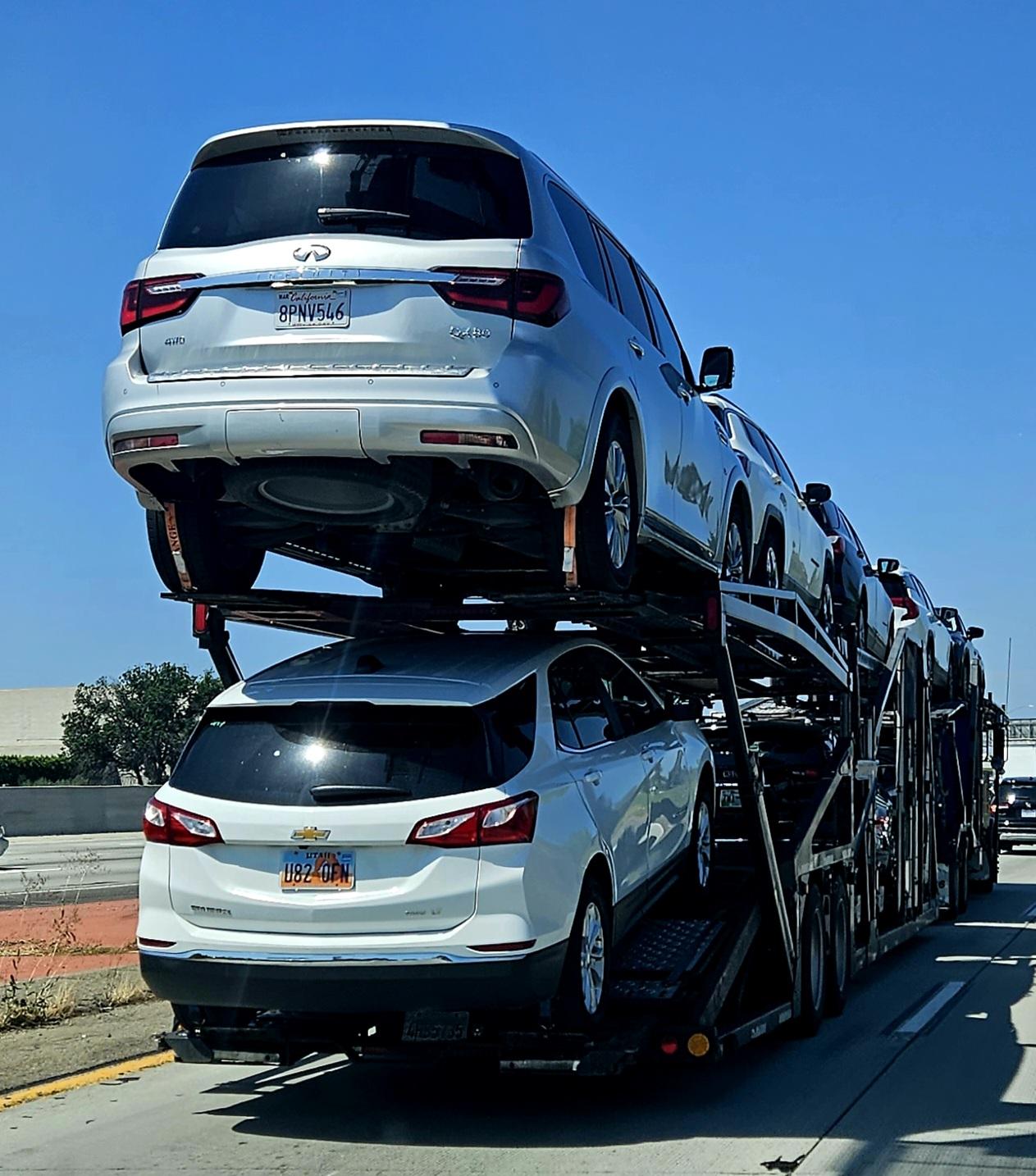
Provide the origin address, vehicle model, actual operating condition and release window. Identify the Los Angeles street address and whether the recipient controls private loading space. Include clearance modifications and any equipment requirement that changes how the car can be handled.
Give the quote enough information to price the work
-
Do not treat an address as reserved loading space
Ask what the quoted amount assumes about access and appointment times. Without a defined origin and service scope, there is no defensible numerical shipping cost to publish for your car.
-
Compare savings with the work they leave you
LADOT states that temporary street, travel-lane, parking-lane, alley and sidewalk closures require a permit from a City of Los Angeles permitting agency. LADOT temporary closure guidance
-
Give someone authority to resolve changes
Have the provider assess whether its proposed operation needs a closure or another parking arrangement and confirm the appropriate process with the city. A passenger parking place or a resident’s permission to use a building does not itself authorize occupation of the public lane.
-
If the property can receive the truck entirely within an approved
If the property can receive the truck entirely within an approved private area, document that arrangement with the manager and dispatch. Establish a permitted alternative before the truck arrives if the original plan is unsuitable.
-
Request prices for feasible alternatives
Request prices for feasible alternatives: accepted property delivery, a mutually agreed meeting point or another service endpoint actually offered. Include your cost of reaching the car and moving it onward. If it is not drivable, keep the necessary transfer equipment in the comparison.
-
Ask whether a more flexible receiving window changes the offer
Ask whether a more flexible receiving window changes the offer, without assuming it produces a discount. Compare the complete amount and exclusions for each version, including waiting or holding if your recipient is unavailable.
-
Name the person who can approve a revised location or appointment
Name the person who can approve a revised location or appointment and clarify any spending limit with the provider. Send the recipient pickup photographs and the condition record. They should verify the delivering carrier, inspect the vehicle and retain the final document.
-
Read payment and cancellation terms
Read payment and cancellation terms before committing. A useful Los Angeles quote makes the destination operation performable and its additional-work rules understandable, rather than relying on a low starting figure.

Define the Los Angeles endpoint with more precision than the city name
The Los Angeles area covers many different streets, properties, and access conditions. Give the provider the exact ZIP code and receiving address, then describe gates, narrow residential approaches, underground parking, steep driveways, restricted loading areas, or business hours. Ask whether a full-size transporter can use the location. If not, establish a practical meeting point before the car is dispatched into the area.
Turn this plan into comparable transport options
Use the actual vehicle, pickup and delivery details, timing and handling needs so every quote starts from the same scope.
State the vehicle’s running condition and any modification that affects loading. A low front bumper, lowered suspension, oversized wheels, or a nonrunning drivetrain can change the equipment required. Ask whether the quote is for open or enclosed transport and whether the assigned equipment has the clearance or loading capability needed. A lower price is not a comparable offer if it assumes a service the vehicle cannot actually use.
Give the Los Angeles receiver enough information to finish the job
Send the receiver the pickup condition record and clear arrival instructions. Confirm how the carrier communicates updates, whether any balance is due, and who may sign if the named receiver is unavailable. If the final handoff moves to a different location, ask whether that changes the price and make sure the new site is permitted and reachable by the receiver.
Keep the transport decision separate from California administrative obligations. Registration, title, insurance, or emissions requirements can matter after arrival, but they should not be confused with the carrier’s custody and delivery responsibilities. Before booking, compare cancellation terms, payment stages, waiting or storage exposure, and the process for damage claims. At receipt, inspect the car before signing. A complete Los Angeles plan is one where the vehicle, equipment, property, and receiving person all fit the same written scope.
Decide whether the Los Angeles receiver can handle a changed meeting point
A carrier may suggest a wider street or commercial area when the original property is difficult. Before accepting that fallback, consider traffic, distance, receiver transportation, and whether the vehicle can be driven from the location. For a low, nonrunning, unregistered, or newly purchased car, a seemingly simple meeting point can create a second logistics problem.
If the receiver is not the owner, establish what they can sign and what they should do if the condition record does not match the car. Provide a direct contact for questions and avoid making the receiver negotiate a revised transport price. Separating inspection authority from pricing authority keeps the delivery focused and reduces pressure at the curb.
Los Angeles traffic can affect when the truck reaches a meeting point, but avoid treating a traffic estimate as a guaranteed appointment. Keep the receiver reachable and ask for an update when the driver is close enough to give a meaningful handoff window. This reduces unnecessary waiting while preserving enough flexibility for the carrier to use a safe route and legal stopping location.