
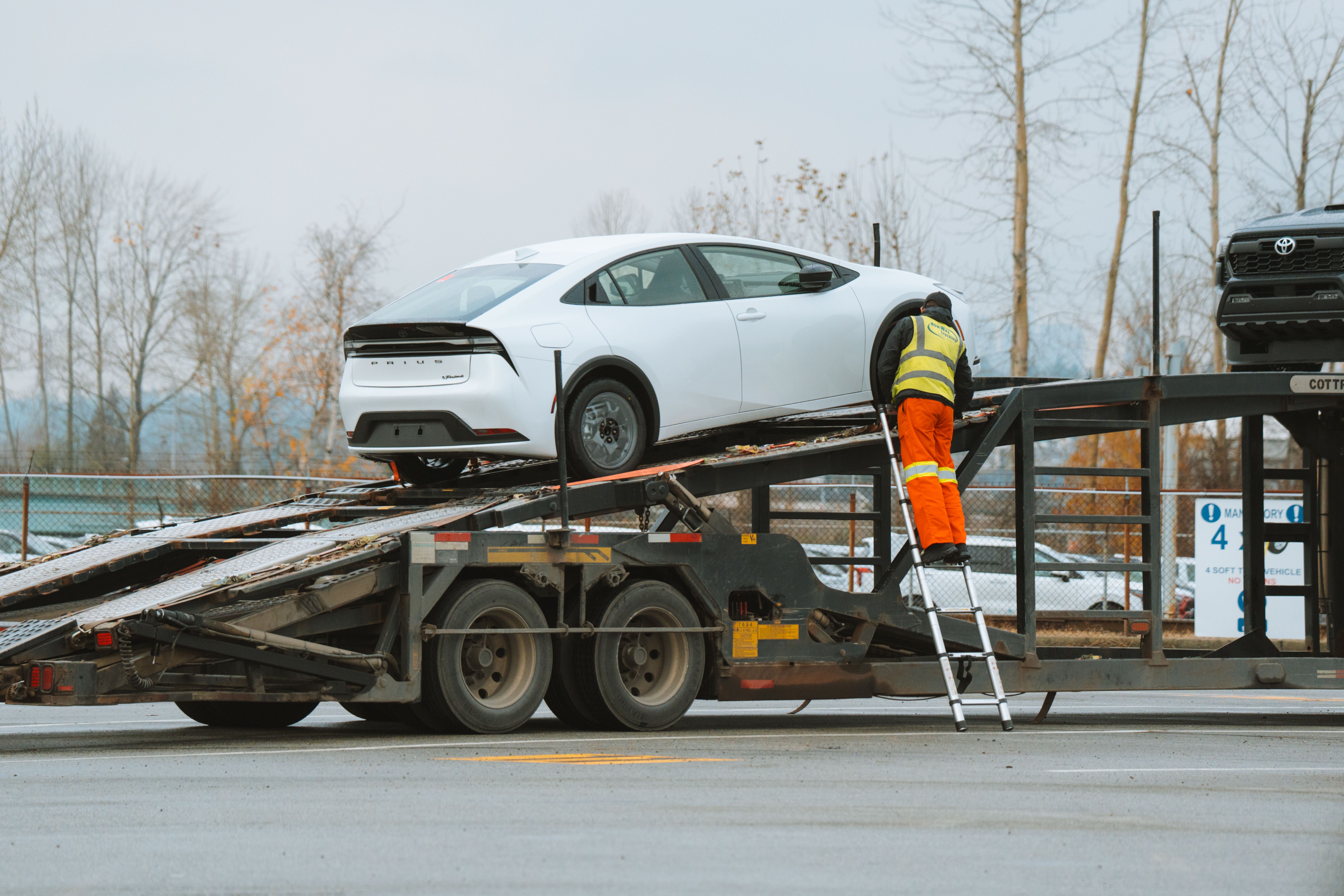
Give bidders the origin address, car dimensions and operating condition, release contact and date range. Say whether the car is at a private seller, dealer or household. The quote must account for the actual starting point; “to Seattle” alone cannot yield a dependable complete price.
Complete the request before comparing cost
-
Test the Seattle delivery point
A downtown garage or managed apartment may not accept a multi-car carrier. Ask the receiver about building rules, height limits and an authorized loading area. If the carrier proposes a nearby meeting point, agree who may use it and how the recipient will inspect the vehicle there. Do not treat a vacant curb as an approved reservation.
-
Identify the hauler and document delivery
FMCSA distinguishes a broker arranging automobile transportation from the transporter carrying the car. FMCSA automobile-transporter advisory
-
Verify the contracting role and relevant record for the interstate movement
Verify the contracting role and relevant record for the interstate movement. Get the assigned hauler details, price-change rules and condition report. The receiver should have pickup photos and inspect before signing. A Seattle delivery plan is a separate question from later registration or parking.
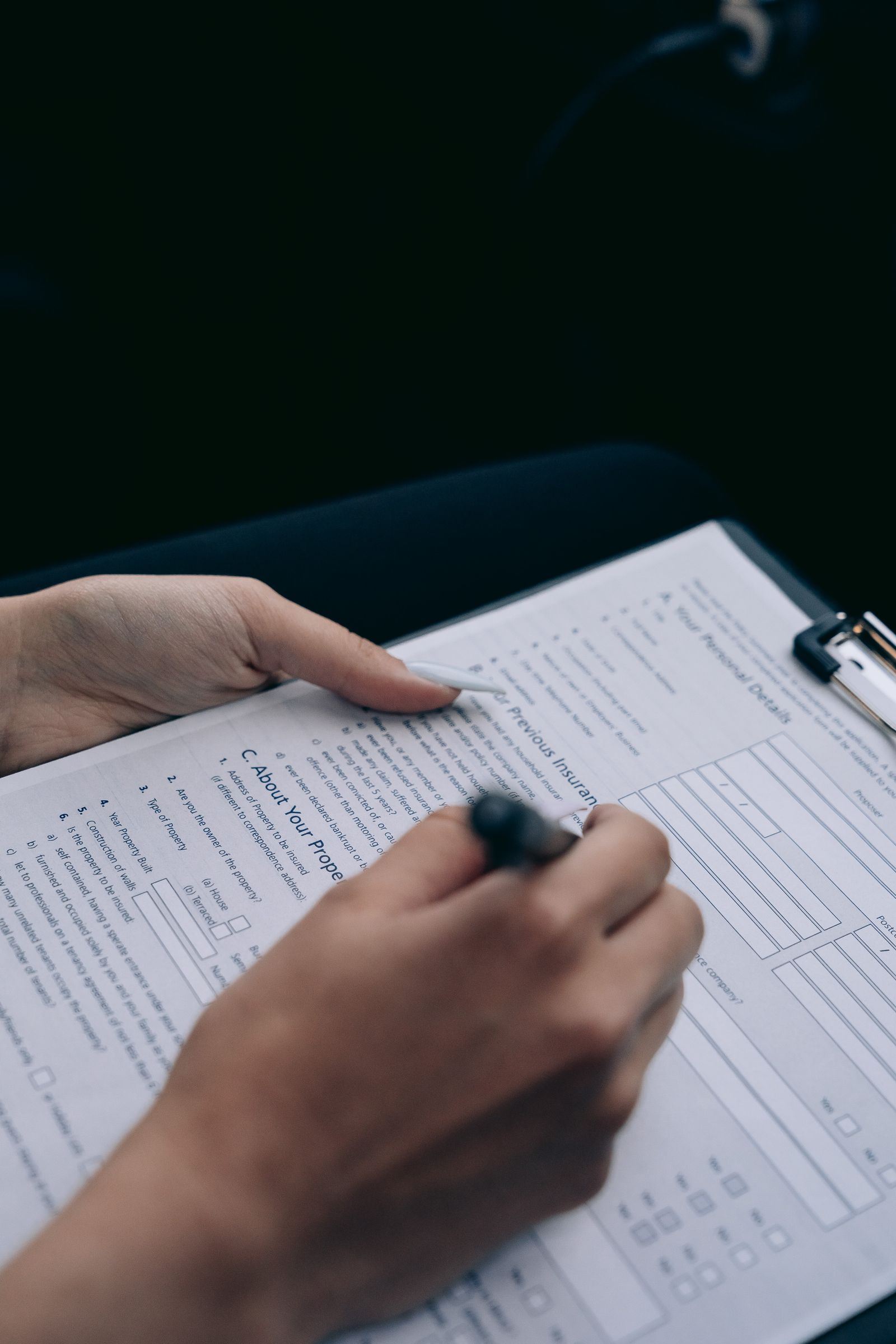
Seattle receiving access should be settled before the truck arrives
Provide the exact Seattle address and describe the receiving property. Dense neighborhoods, steep approaches, restricted curb space, apartment entries, and private garages can make a direct unload difficult for a large transporter. Ask whether the assigned equipment is expected to reach the address. If a larger meeting point is needed, choose it in advance and confirm that the receiver can get there and the site permits the handoff.
Match that plan to the car. A running standard-height vehicle may be easy to move from a nearby meeting point, while a nonrunning or lowered car can require different equipment or a separate local transfer. Disclose condition and modifications before you accept a quote. If you are comparing open and enclosed transport, keep the Seattle endpoint, dates, and vehicle assumptions the same so you are evaluating the service difference rather than multiple variables at once.
Prepare for arrival notice and inspection
The receiver should have the booking reference, pickup photographs, condition record, and payment instructions. Ask how much notice is normally given once the truck is approaching and what happens if the receiver cannot meet the proposed window. A substitute receiver can be useful, but that person should have explicit authority and know how to inspect the vehicle before signing.
Rain or temporary road conditions may influence the exact handoff, but they do not establish a universal Seattle delay or surcharge. Use current information near delivery to decide whether the planned location remains practical. Review cancellation, waiting, storage, and claim terms before dispatch. At the end, the goal is a safe, documented transfer at a location the equipment can actually use—not simply a promise to reach “Seattle.”
Turn this plan into comparable transport options
Use the actual vehicle, pickup and delivery details, timing and handling needs so every quote starts from the same scope.
Seattle’s final block can matter more than the last few miles
Ask the receiver to look at the actual block where unloading is planned: turning space, parked vehicles, loading restrictions, overhead clearance, and a place for the receiver to stand safely while inspecting the car. If those conditions do not work for a transporter, choose the alternative before the driver enters the neighborhood. A map pin alone does not confirm that the handoff is feasible.
If the car is arriving during a relocation, decide what happens if household access and vehicle delivery occur at different times. The receiver may need the car before a garage is available or may have no legal parking at the new address. A nearby permitted handoff plus a known parking plan can be better than insisting on a nominal door delivery that creates an immediate problem.
Protect the inspection from weather and time pressure
Seattle rain or low light can make exterior inspection harder. The receiver should still take reasonable photographs and note visible differences before signing rather than postponing the check until after the car is moved. If conditions make inspection genuinely impractical, ask the provider how that situation is documented under its process. The goal is a contemporaneous record, not a perfect-weather handoff.
If the Seattle receiver lives in a building with controlled parking access, decide whether the car should be delivered to the street, a permitted larger meeting point, or a staffed facility. The transport truck usually does not need to enter the building for the service to be useful. What matters is that the receiver can lawfully take custody and move the car from the agreed point without creating another unresolved access problem.
Ask whether the receiver needs to coordinate ferry, bridge, workplace, or building access after accepting the car. Those downstream movements are not necessarily part of transport, but they can determine whether a particular Seattle handoff point is sensible. A convenient meeting place on the map may be poor if it leaves the receiver on the wrong side of another time-sensitive access constraint.