
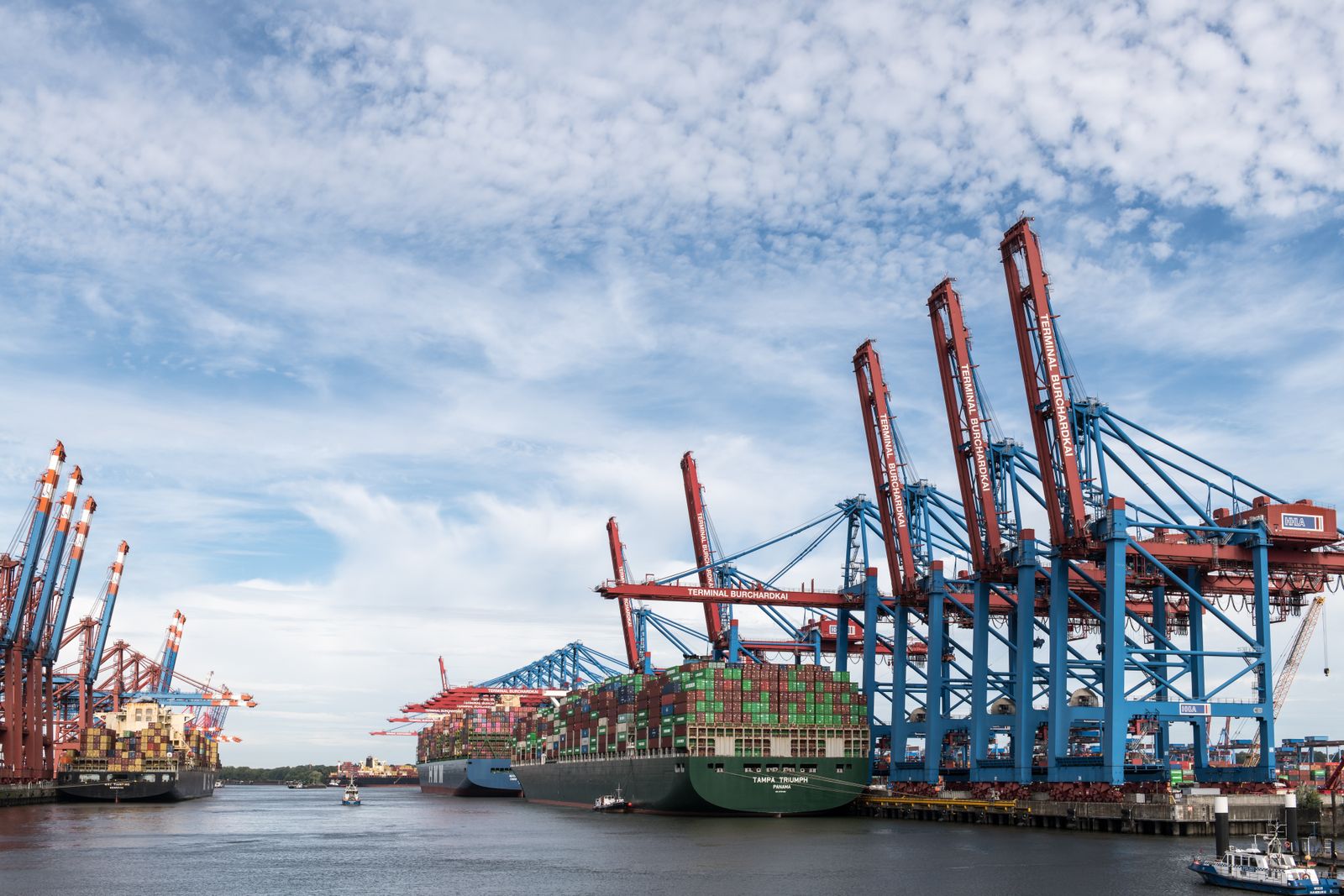
State the pickup island/location, identify the provider’s booked harbor/terminal process and add the real mainland destination before comparing totals.
Ship my vehicle from Hawaii still needs the island/harbor handoff and the mainland destination before it becomes a complete route
-
Use Hawaii DOT harbors as infrastructure context, not carrier acceptance rules
Hawaii DOT operates a statewide commercial harbor system. The shipping company, not the state harbor overview, defines whether it accepts the vehicle and which terminal procedures apply to the booking.
-
Hawaii is not one interchangeable pickup point
One provider’s terminal-to-terminal price and another provider’s final-delivery price are not the same job.
What makes the Hawaii-origin request complete
- Name the pickup island and the booked vehicle terminal or harbor procedure before treating the origin as fixed.
- Add the mainland destination city or property, the receiving contact, and whether the quoted service stops at a mainland terminal or continues inland.
- Compare proposals only after those same handoff points and responsibilities appear in each offer.
Shipping a vehicle from Hawaii begins with the island release
Moving a vehicle from Hawaii requires a marine handoff before the mainland road leg. Identify the island, the vehicle-delivery facility, and the person who can present the car for ocean acceptance. Confirm the current operator requirements for identification, keys, vehicle condition, cleanliness, fuel level, dimensions, and documentation. Do not assume a mainland auto-transport checklist is sufficient for the port acceptance step.
Decide whether you are booking the ocean segment and mainland transport separately or through one coordinator. If one company arranges both, ask where custody and responsibility change and what you must do if the vessel schedule or release timing changes. The written scope should name the mainland release point and say whether onward truck transport starts there automatically or requires a second confirmation.
Plan the mainland leg before the vehicle is on the water
Provide the final mainland destination, receiving person, vehicle condition, and equipment preference before departure when possible. A quote that ends at a mainland port is not the same as one that includes delivery to another city or state. If the final address cannot accept a transporter, decide on the alternative handoff and any local transfer before the vehicle reaches the mainland.
Keep condition documentation through every custody change. Photograph the vehicle before the Hawaii handoff, retain the acceptance record, and make sure the mainland receiver has those materials. Ask about release notice, storage exposure if pickup is delayed, payment stages, and the process for handling a discrepancy. For this route, task completeness means knowing who holds the vehicle at each stage, what releases it to the next stage, and where the paid service actually ends.
Turn this plan into comparable transport options
Use the actual vehicle, pickup and delivery details, timing and handling needs so every quote starts from the same scope.
Decide what happens if the Hawaii vehicle misses ocean acceptance
Marine schedules create a hard handoff that ordinary road transport does not have. Ask what the coordinator does if the vehicle arrives after the acceptance cutoff, fails an inspection requirement, or cannot be released by the person who brings it to the facility. The fallback may involve a later sailing, storage, a return movement, or a new appointment. Know who authorizes and pays for that change before the first leg begins.
If the car contains aftermarket alarms, roof attachments, low-clearance components, or removable accessories, verify whether those affect marine acceptance. Do not rely on a prior shipment or a generic checklist if the operator’s current requirements are more specific. A rejected vehicle can disrupt both the ocean booking and the mainland carrier scheduled to receive it.
Make mainland release a scheduled responsibility
Identify who receives the vehicle after the ocean segment and what that person needs to present. If the onward truck cannot collect immediately, understand the release window and any storage consequences. The mainland destination may be far beyond the port, so confirm that the next carrier knows the vehicle’s condition and final address rather than treating the ocean release as the end of planning.
The vehicle's condition should be communicated consistently to both the ocean operator and the mainland carrier. A car described as running to one provider and nonrunning to another can create incompatible equipment and acceptance assumptions. Record the actual status before the Hawaii handoff and update both services if it changes, especially after long storage or a mechanical issue discovered at the port.
If the vehicle is financed or leased, check whether the owner needs any separate permission or documentation for the intended move before presenting it for ocean shipment. The marine operator and road carrier can tell you what they require for acceptance, but they do not replace obligations owed to a lender or lessor. Resolve those questions before the vehicle is at a scheduled facility with limited flexibility.
Before presenting the vehicle for marine acceptance, confirm which keys should accompany it and keep unnecessary house, storage, or personal keys separate. If a remote or alarm fob has a weak battery, address that before handoff. Small key problems can complicate inspection and release because multiple parties may need to move the vehicle during the ocean and mainland custody chain. Record which keys were transferred so the mainland receiver knows what to expect.