
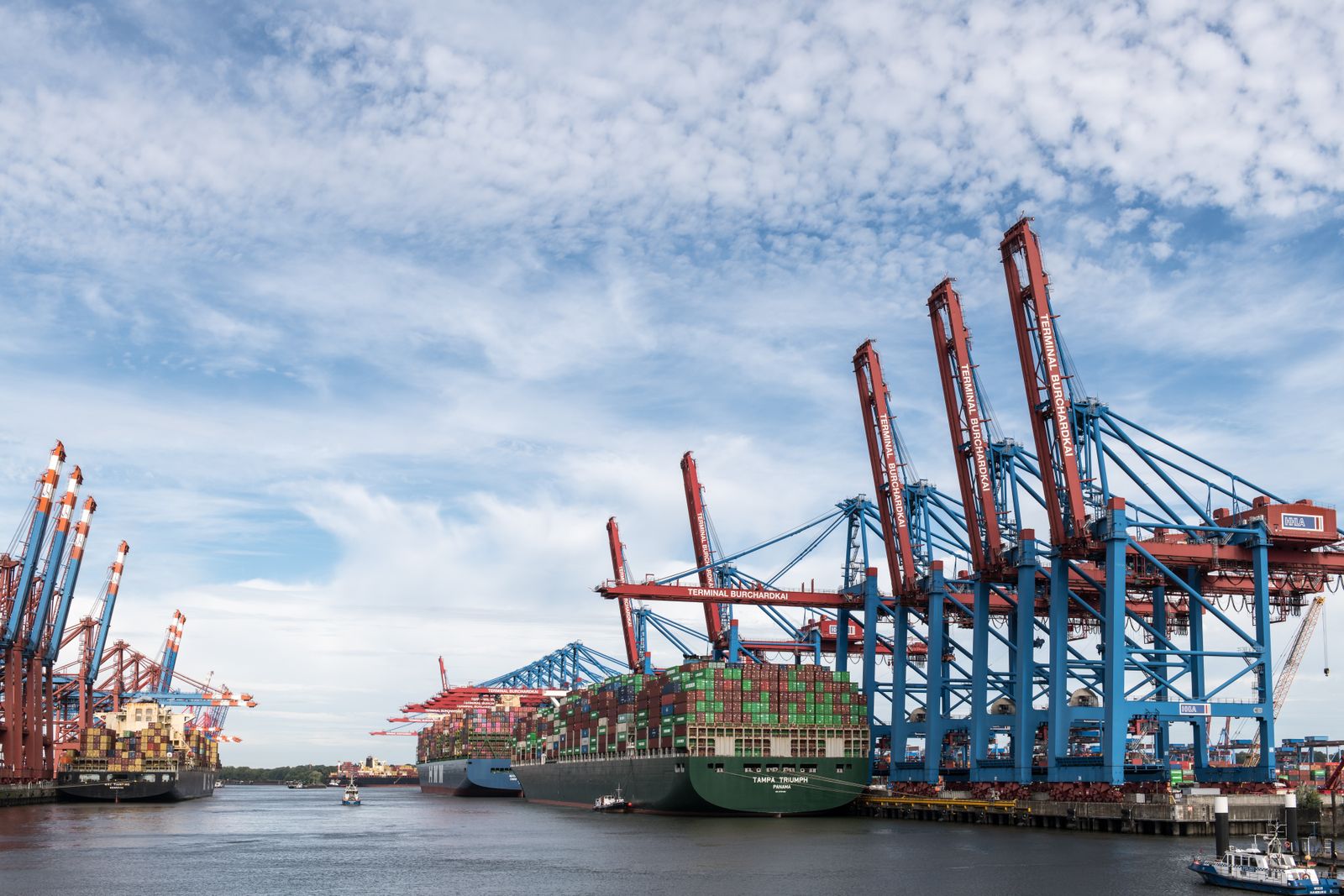
Ask who books ocean carriage, receives availability notices, authorizes the mainland driver and pays storage if collection is late. If one seller coordinates everything, require the itinerary and subcontracted roles in writing. If you contract separately, make sure both providers accept the transfer arrangements.
Assign responsibility at the sea-to-road handoff
-
Give the mainland collector the right authority
Do not assume a direct sailing to Georgia or that a generic mainland rate includes inland delivery. Compare named facilities and the final Georgia handoff. Identify any island connection at origin and whether its handling is included.
-
Resolve ownership and cargo acceptance before the appointment
Pasha’s Hawaii-to-California documentation list distinguishes registration, ownership or lien evidence and authorization for absent owners. Use the complete checklist from the operator you book; documents for the reverse direction may differ. Pasha Hawaii
-
Complete the inland plan and budget
Disclose the car’s condition, dimensions and modifications. Request specific approval for an electric or plug-in hybrid vehicle and any damaged battery or nonrunning condition. Follow the chosen service’s cleaning, fuel, battery and contents instructions rather than a road-only checklist.
-
Match the VIN and owner names across documents and booking
Match the VIN and owner names across documents and booking. Leave time for lender or company authorization where required. Photograph the car before it is handed over in Hawaii.
-
Matson’s FAQ describes prior authorization when someone outside the original booking
Matson’s FAQ describes prior authorization when someone outside the original booking collects the vehicle. Arrange the booked carrier’s required approval for the road operator, and confirm availability and appointment instructions before sending the driver. Matson
-
Have condition recorded at that collection point
Have condition recorded at that collection point, not only at the final Georgia address. Obtain claims and liability terms for both the ocean and road portions. If a discrepancy is found, preserve the handoff evidence and notify the responsible business using its procedure.
-
Give the Georgia carrier an accepted unloading address and receiver with
Give the Georgia carrier an accepted unloading address and receiver with a backup contact. Ask how much notice is provided and what waiting or storage costs apply. A nonrunning car needs an unloading and onward-movement solution.
-
Add ocean freight
Add ocean freight, origin handling, mainland release and road delivery when comparing totals. Keep excluded preparation, storage and local transfers visible. Do not book essential appointments around an estimated vessel date; coordinate against actual availability and the inland carrier’s confirmed window.

Build one custody map before the car leaves Hawaii
The booking should show every place where possession changes. Start with the Hawaii drop-off or pickup point, then name the marine operator’s receiving facility, the mainland release location, the road carrier that takes over there, and the Georgia delivery address. If the vehicle begins on an island that is not the booked ocean departure point, identify that movement as its own leg rather than treating “Hawaii” as one terminal. An inter-island vehicle movement, when actually required, needs its own accepted vehicle, timing and custody instructions.
Turn this plan into comparable transport options
Use the actual vehicle, pickup and delivery details, timing and handling needs so every quote starts from the same scope.
Give each provider the same VIN, operating condition, dimensions, powertrain and modification information. A vehicle that starts and drives normally for one operator can still be refused by another operator for a separate acceptance reason, so do not rely on the first handoff as proof that the next leg is cleared. Keep the marine operator’s current preparation and document instructions with the booking. Remove ambiguity about who supplies keys, who may sign, and whether an owner, lienholder or company authorization must be produced before tender.
Before the ocean leg is released, decide who watches for the actual availability notice and who is authorized to collect. The mainland road carrier should not be dispatched merely because a vessel has arrived. Confirm that the vehicle is available, that any appointment or release code is ready, and that the person or carrier collecting it has been accepted under the operator’s rules. If the handoff misses its window, know which business holds the vehicle, how storage is calculated under the booked terms, and who may approve a changed collection plan.
Make the Georgia leg usable even if the timing moves
Give the inland carrier the exact Georgia destination and a receiver who can remain reachable across the offered delivery window. A residence, dealership, storage yard and repair shop create different access and receiving constraints. Ask the carrier to approve the intended unloading point for its equipment. If it proposes a nearby meeting area, decide who moves the car from there and whether the vehicle can legally and mechanically make that final trip. A nonrunning vehicle may need a tow-capable destination instead of a convenient parking lot.
Carry the condition record through every custody change. Keep Hawaii photographs, the marine receipt, release documentation at the mainland facility, and the road carrier’s pickup inspection together. The Georgia receiver should have those records before delivery, not after a dispute appears. At the final handoff, photograph accessible surfaces, note any observed difference on the delivery paperwork, and follow the responsible provider’s written claim procedure for the leg where the issue is believed to have occurred.
Compare proposals only after all legs are visible. Include marine freight, any origin positioning, terminal handling, the mainland pickup, the road move to Georgia, storage exposure, and any final transfer that is not included. A lower number that stops at the mainland facility is not equivalent to a price that reaches the Georgia address. For a broader benchmark, use the site’s auto-transport cost guide to organize cost components, but require the booked businesses to price this specific multi-leg job.
A practical final check is simple: can you name the business holding the car at every point, the person authorized to release it, the person who receives the next notice, and the location where the paid service ends? If any answer is missing, the route is not yet operationally complete even if the first segment is reserved.