
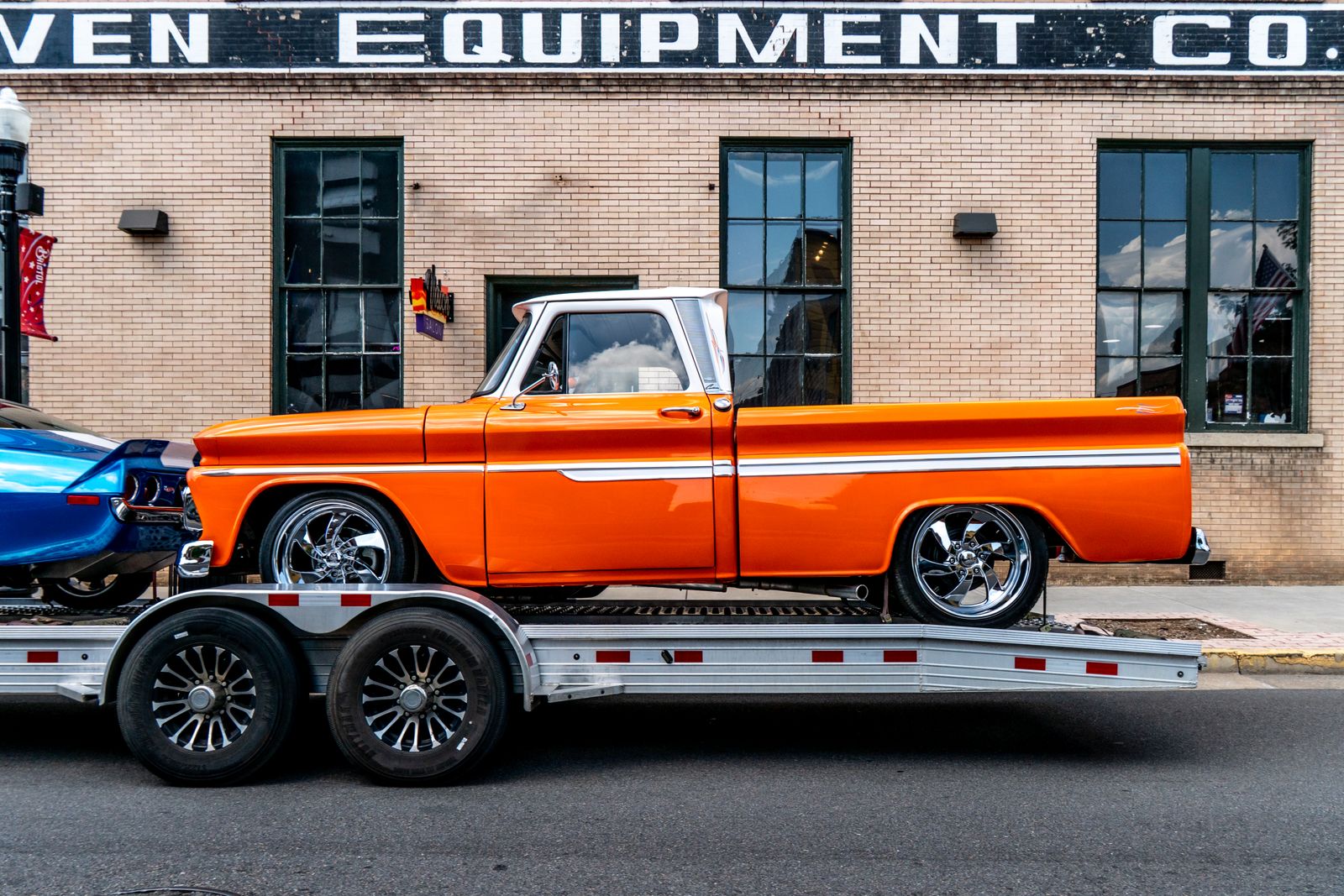
Ask the Georgia contact when a transport truck can unload, who opens the gate and who may sign for the car. Distinguish office hours from vehicle-receiving hours. Give dispatch an earliest usable delivery date and any periods when access is unavailable.
Confirm the window for unloading
-
Use destination conditions to coordinate people
At the Texas end, identify the first date the car is released and the person with the keys. If either handoff depends on an appointment, ask the provider how that appointment will be confirmed. Read the written schedule language before interpreting it as a guarantee.
-
Give the receiver the information they need
Georgia 511 displays road incidents, closures, construction information and traffic cameras. Georgia 511 road information
-
receiving contact can use the information to flag a disrupted approach
A receiving contact can use the information to flag a disrupted approach, then coordinate with dispatch about a new window. It is not evidence of where the car is or whether the driver can wait. Ask for direct notice when the planned handoff changes.
-
If the original property closes
If the original property closes before the revised arrival, choose between a later appointment and an approved alternative. Resolve custody and any cost of holding the car rather than authorizing an unattended drop.
-
Share the booking reference
Share the booking reference, carrier verification instructions and pickup condition record. Ask the receiver to inspect accessible surfaces and document observed differences on the delivery record. They should retain a copy and know whom to contact about a concern.
-
Any change in receiving authority should follow the provider’s process
Any change in receiving authority should follow the provider’s process. Do not leave the truck driver to decide which person at a busy property may accept the vehicle. Include vehicle operability, requested equipment and the two full addresses in every quote request so the companies are pricing the same handoff constraints.
Replace the two state names with two operating handoffs
Texas and Georgia are too broad to define the actual job. Give each provider the pickup street or facility, Georgia delivery address, the people available at both ends and the vehicle’s real operating condition. If you are comparing companies that market service across Texas, the Texas auto-transport page can help organize questions, but the quote still needs the specific origin property. Do the same on the receiving side rather than assuming a Georgia city or business can accept whenever the truck arrives.
At pickup, confirm when the car is physically ready, who has keys and authority to release it, and whether the property can accommodate the assigned equipment. A dealership, auction, storage yard and residence may each have different release hours or paperwork. If the owner leaves before collection, appoint a representative who can document condition and verify the collecting carrier instead of relying on an unattended release.
Turn this plan into comparable transport options
Use the actual vehicle, pickup and delivery details, timing and handling needs so every quote starts from the same scope.
Keep the vehicle description consistent. Tell every bidder whether the car starts, steers and brakes, and disclose clearance or accessory changes that affect loading. A price comparison stops being meaningful if one company is quoting ordinary open transport while another is quietly assuming special loading or a different meeting point.
Use the Georgia receiving hours as a planning constraint
Confirm vehicle-receiving hours with the actual Georgia property, not just the office schedule. The Georgia transport page can help frame destination considerations, but the business or residence receiving this car must be ready for the proposed handoff. Tell dispatch the earliest usable date, closed periods, gate instructions and the name of the person who may sign.
The Georgia 511 source already on this page is useful for current public road information; it does not tell you where the carrier is or guarantee a new arrival time. When conditions disrupt the approach, coordinate directly with dispatch. Decide in advance whether the acceptable response is a later appointment, an approved meeting point or storage. That avoids pressure to authorize an unattended drop simply because the original property closed.
Send the receiver the Texas pickup photographs and signed condition record. They should verify the assigned carrier information, inspect accessible areas at delivery and retain the final paperwork. If a substitute receiver becomes necessary, use the provider’s authorization process and make sure that person knows the payment and discrepancy procedure.
Compare totals only after these constraints are the same across offers. The site’s cost guide can help identify deposit, balance, waiting, storage and changed-location categories to ask about. The final price must still be the provider’s written total for your two actual properties, chosen equipment and scheduling constraints. A workable Texas-to-Georgia move is one that can survive a shifted arrival window without losing control of custody.
Make business-hour delivery resilient
If the Georgia receiver is a dealership, shop or managed facility, ask for one primary receiving contact and one backup rather than relying on a front desk. Give dispatch both numbers and the periods when vehicle unloading is actually possible. If arrival slips outside those hours, the preferred response should already be known: wait for the next accepted window, use an approved alternate location, or move to agreed storage.
Do not let that fallback weaken the condition handoff. The substitute receiver should still have the Texas pickup photographs and know where to record an observed difference. A late arrival is a scheduling issue; it should not erase the owner’s ability to verify condition, approve a changed location or know where the car will remain if the original property is closed.