
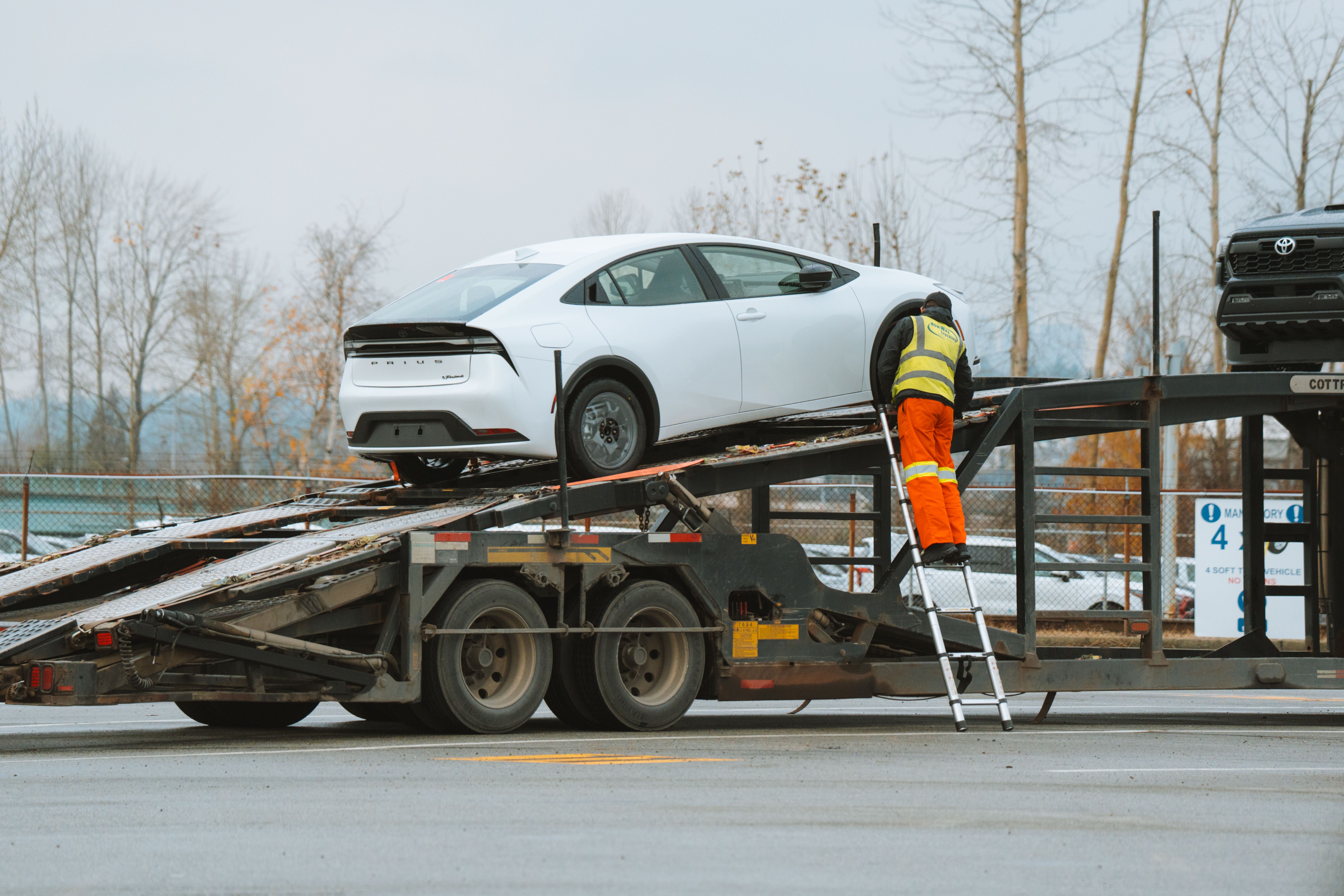
Provide the California origin and exact North Carolina destination, vehicle specification and date window. Have the operator review access to both properties. If the destination is a meeting point, arrange how the receiver will get there and whether the car can be driven away.
Define the delivery you can actually receive
-
A move can require separate DMV work
NCDMV’s moving-to-state checklist directs new residents to obtain a North Carolina driver license before titling the vehicle. Reconcile that owner sequence with your travel and document availability. A car arriving before you does not bring the owner’s application forward automatically; use an authorized receiver for the shipment while arranging your own DMV steps.
-
Give the California representative a clear brief
If your own travel occurs before collection, appoint someone who can accommodate the agreed window rather than leaving access unresolved.
-
Read the changes and exclusions
Ask whether the price includes the accepted locations and equipment, how a revised offer is approved and what a failed appointment costs. Request cancellation rules and the claims procedure. Send the pickup report to the North Carolina receiver and agree on delivery notice. No specific highway path or guaranteed lane time is established here.

A move can require separate DMV work
NCDMV reference
Let a receiver close transport even if the owner arrives later
Provide the exact North Carolina city, ZIP code and receiving property before dispatch. The North Carolina auto-transport page can help organize destination questions, but the assigned carrier needs to approve the real address. Choose a receiver who can inspect the vehicle, take keys and paperwork, and stay reachable during the delivery window even if the owner is still traveling.
Keep that receiver’s role separate from the owner’s state paperwork. The NCDMV source already cited explains the owner sequence relevant to a new-resident transaction. The person meeting the transporter does not automatically have authority to complete those steps, and the carrier does not advance them by delivering the vehicle. This separation lets the transport be completed safely without pressuring the receiver to solve licensing or title questions at curbside.
At the California end, give the releasing person the booking reference, assigned carrier information, keys and condition checklist. Use the California transport page to frame origin questions, then disclose whether the car starts, steers and brakes, plus any low clearance or modifications. Obtain acceptance of any special loading before the pickup window.
Prepare a North Carolina fallback that still works for the vehicle
If the delivery property cannot accommodate the transporter, agree on a meeting location the receiver can realistically use. Ask who chooses it, whether the price changes and how far the receiver must travel. A vehicle that is nonrunning, not ready for road use or being delivered to a repair project may need a shop, tow-accessible lot or storage facility instead of a generic parking area.
Send the receiver the California pickup photographs and signed condition record before the truck arrives. They should inspect accessible areas, note observed differences on the delivery paperwork and retain copies. If a concern appears, the receiver needs the provider’s written claims contact and enough authority to preserve evidence without deciding a settlement on the owner’s behalf.
Turn this plan into comparable transport options
Use the actual vehicle, pickup and delivery details, timing and handling needs so every quote starts from the same scope.
Ask how delivery updates are communicated and what happens if the owner’s travel or the receiver’s schedule no longer aligns with the arrival window. A named substitute or prearranged storage plan is more robust than depending on one person’s availability. Keep any changed destination in writing.
The existing company-verification guide can be used to check the assigned business, while the cost guide helps identify waiting, storage and special-loading categories. Compare offers for the same California property, North Carolina property, vehicle condition and equipment. That keeps state paperwork as a separate owner task and lets the transport decision stand on its own scope.
California-to-North-Carolina planning should distinguish an address that is easy for a passenger car from one that is suitable for the assigned transporter. Rural lanes, gated subdivisions, low branches, steep drives and limited turning space can all force a nearby handoff even when the destination is outside a dense city. Ask the receiver to assess the approach before delivery day and agree on a legal alternative if the driver cannot safely reach the property. If the vehicle is nonrunning, make sure that fallback still supports the unloading method; an alternate parking lot is not useful if the car cannot be moved from it afterward. Record who may approve the alternate and whether it changes the price. The objective is a destination plan the equipment can actually execute, not just a valid North Carolina street address.
Give the receiver a decision tree for delivery day
If the North Carolina property is accessible and the car matches the pickup record, the receiver can complete the ordinary handoff. If the truck needs a different meeting point, the receiver checks whether the location was preapproved and whether the car can leave it. If condition differs, the receiver documents the concern before signing. If the car cannot be driven, the receiver uses the planned tow or storage option instead of improvising.
This decision tree is especially helpful when the owner is still traveling or completing state paperwork. It lets the transport close based on custody facts while preserving owner control over commercial changes. The receiver does not need to interpret DMV rules or negotiate a new service; they need a clear boundary for accepting the car safely.
After delivery, send the owner the signed receipt, condition photographs and any changed-location record. Those documents complete the transport file and make it easier to begin the separate North Carolina administrative tasks with the vehicle already in known custody.
Give the California representative a clear brief
- Confirm release authorization and keys.
- Declare faults and modified vehicle dimensions.
- Photograph condition before loading.
- Keep the assigned carrier’s name and contact.