
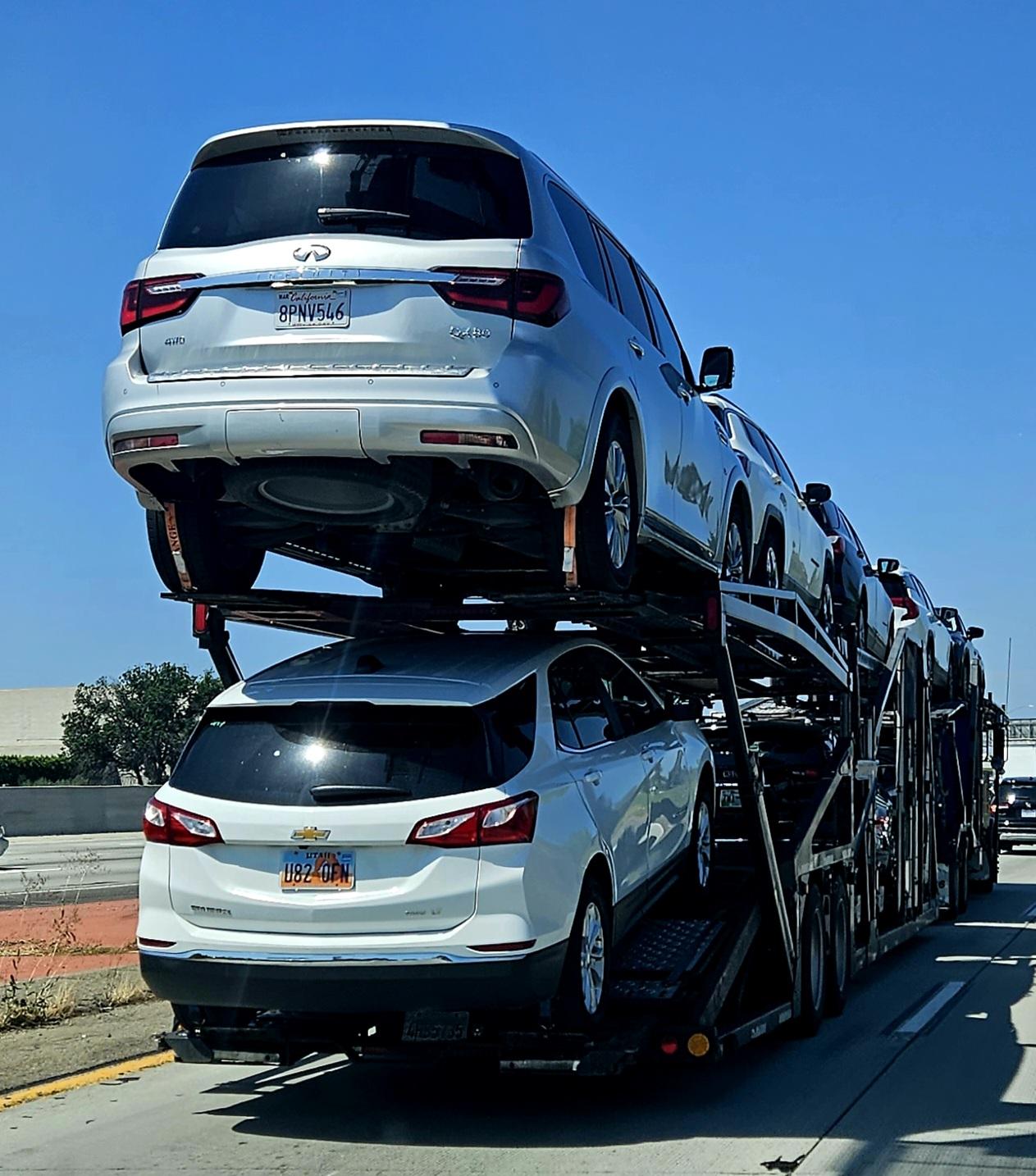
Start with the exact New York delivery address, not the state name alone. Then give every quote request the same Dallas release point, vehicle condition, running status, service type and receiver availability. If the New York property cannot take a large carrier, decide the alternate handoff before dispatch rather than after the truck reaches the area.
Turn Dallas-to-New York into one specific transport job
-
Dallas release
Confirm who has the keys, who may sign the pickup condition record, and whether a gated apartment, dealer lot or repair shop has hours that fit a carrier pickup. A releaser who is not the owner should have whatever written authority the booked company requires.
-
New York endpoint
Distinguish New York City from the rest of the state, then give the actual street and receiving contact. If curb access is doubtful, compare the proposed meeting point with true door-to-door car shipping rather than treating them as identical.
-
Vehicle and service
State whether the car runs, its clearance or modifications, and whether open transport is acceptable. If protection or clearance needs point toward enclosed transport, price that option using the same endpoints and dates.

Resolve the New York receiver's last-mile plan before the Dallas pickup
If the New York receiver expects to drive the car immediately, confirm that the handoff location makes that possible and that the person has the keys, documents and insurance arrangements they need for lawful onward use. If the vehicle is headed to a repair shop, storage lot or buyer instead, tell the carrier which business will accept it and during what hours. A transport delivery should not depend on a closed facility, an unavailable building manager or a receiver who assumed the driver could wait indefinitely.
For a destination in New York City, keep the current municipal truck-routing guidance separate from property permission. The carrier still needs to decide how its specific equipment approaches the area, while the receiver or property manager must decide whether the proposed stop is usable. Elsewhere in New York State, do not import city-specific constraints into a different locality. The booking should reflect the actual destination rather than a generic image of what 'New York delivery' means.
Do not let the order choose your destination for you
Give the complete receiving address and the person who will accept the car. If you are still choosing a property, ask for a provisional estimate and the conditions for revising it. An undefined state endpoint cannot settle the final unloading task.
For a New York City address
NYC DOT provides truck-specific route information. The operator must consider the guidance applicable to its vehicle and the actual destination. This city context is not a rule for every New York State shipment.
Ask the receiving property about delivery access and have the carrier agree a legal handoff point. Street routing and permission to occupy a curb or private entrance are different questions.
NYC Department of Transportation reference
Make the vehicle ready to transfer
Confirm seller clearance or owner authorization, keys and release hours. Report non-running condition and modifications, and request the carriage method that meets your needs. If you leave first, appoint a releaser who can meet the driver and record condition.
Keep the final plan with the price
Compare the same endpoint, vehicle facts and readiness windows across offers. Identify the contracting company and assigned carrier; review payment, cancellation and delay charges. Decide who approves a changed delivery location.
Provide the recipient with departure photographs and the condition record. Do not treat a lane advertisement as evidence of a confirmed truck or guaranteed arrival date.