
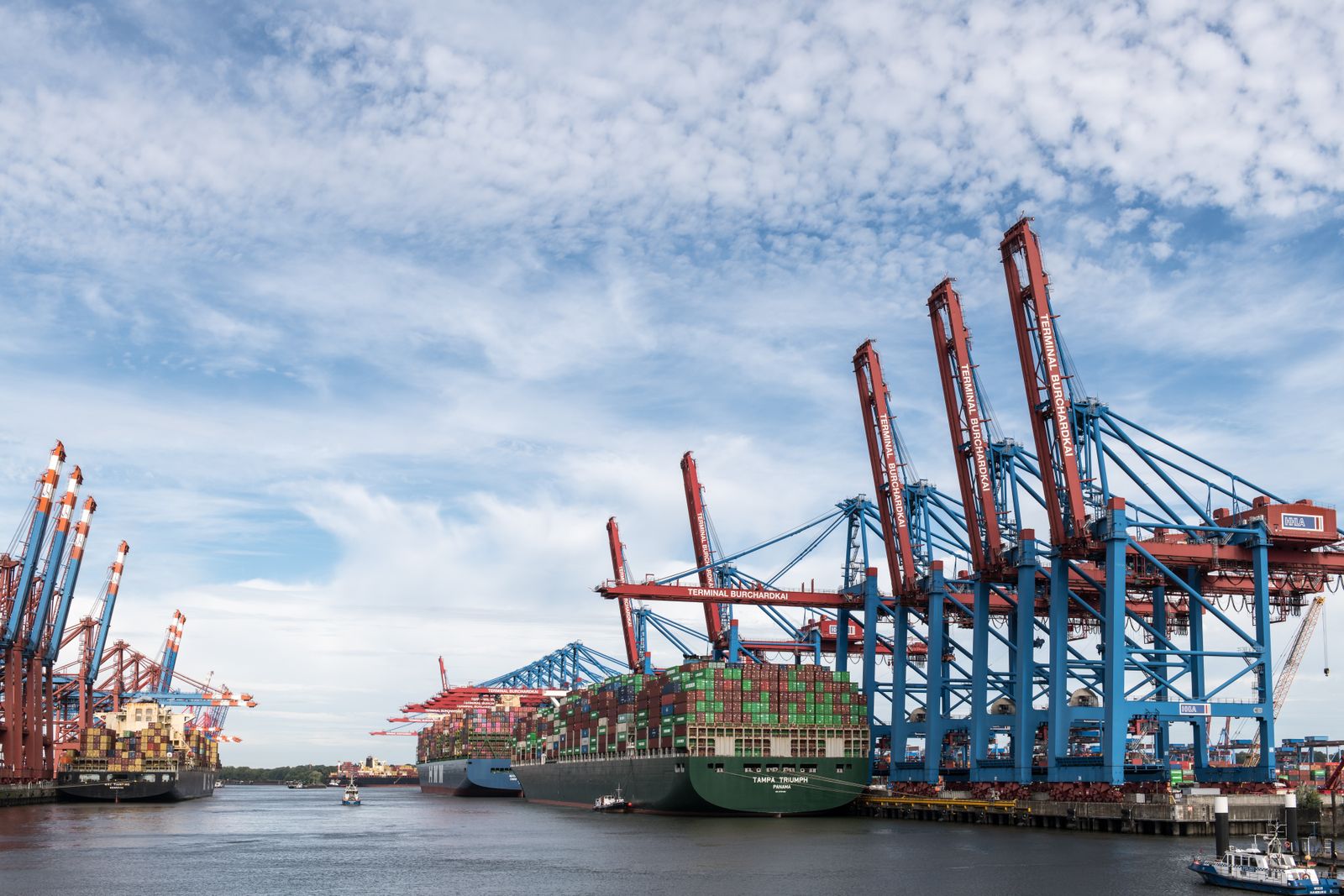
A Hawaii-to-Florida move is normally a connected ocean-and-road project, so a useful quote names the origin island, booked ocean terminal, mainland release point and final Florida address. Confirm who coordinates the mainland pickup, who receives availability notices, and what happens if vessel timing changes before you treat the price as a Florida-delivered total.
Map the Hawaii-to-Florida custody chain before comparing totals
-
Island acceptance
Use the booked ocean operator's own checklist for ownership documents, keys, fuel, contents, vehicle condition and appointment rules. Resolve lender or absent-owner authorization before the car is brought to the terminal.
-
Mainland release
Name the facility and the person or road carrier authorized to collect. A terminal-to-terminal handoff is a real custody event, not an invisible connection between two prices.
-
Florida delivery
Give the actual Florida property, receiver and backup contact. If the road carrier cannot unload there, have the alternate site and local transfer responsibility settled before the car leaves Hawaii.

Turn this plan into comparable transport options
Use the actual vehicle, pickup and delivery details, timing and handling needs so every quote starts from the same scope.
Make every segment visible
Give the origin island and final Florida address. Request the departure facility, mainland receiving facility and road-delivery scope in writing. If the provider cannot identify the connection, do not assume a direct Hawaii-to-Florida sailing or an included cross-country truck.
Choose between a coordinated through-service and separate contracts based on who will manage release, appointment changes and storage. With separate bookings, identify one contact who can update the inland carrier when the sea schedule changes.
Prepare the Hawaii ownership documents
Matson’s drop-off guidance requires lienholder authorization when a lienholder is named on the title or registration for shipments leaving Hawaii. Ask the booked operator for the full ownership and registration checklist and any authorization for someone delivering on your behalf. Matson
Resolve a recent purchase, company ownership or missing document before the drop-off appointment. Verify names and VIN against the booking. Keep copies available to the responsible parties without assuming a road carrier’s normal pickup paperwork satisfies ocean acceptance.
Book the mainland truck against release, not vessel arrival
Pasha’s shipping checklist warns that appointments are required at relevant facilities and that an unannounced arrival can be turned away. Apply the instructions for your actual ocean booking. The road driver needs an authorized pickup, accepted appointment and confirmation the car is available. Pasha Hawaii
Ask the driver to record condition at collection before the inland journey. Clarify who receives arrival notices and when storage charges begin. A missed connection can create a separate bill even if the sea and road prices were each reasonable.
Build a Florida-delivered estimate
| Line | Include |
|---|---|
| Origin | Hawaii collection or island connection if needed |
| Sea | Vehicle freight, classification and surcharges |
| Mainland handoff | Release, storage allowance and terminal pickup |
| Road | Accepted Florida address or priced final transfer |
Line: Origin
Include: Hawaii collection or island connection if needed
Line: Sea
Include: Vehicle freight, classification and surcharges
Line: Mainland handoff
Include: Release, storage allowance and terminal pickup
Line: Road
Include: Accepted Florida address or priced final transfer
Compare the known total and unresolved allowances separately. Do not infer a current rate from this worksheet. Obtain liability and claims terms for both modes and ask where responsibility changes.
Prepare the car and the Florida recipient
Follow the sea operator’s fuel, battery, cleaning and contents rules; disclose EV/PHEV type, damage, modifications and nonrunning condition for explicit acceptance. Photograph the vehicle before departure.
Have a Florida receiver and backup contact ready for the inland delivery window. Send condition records from Hawaii and the mainland pickup. Arrange inspection and lawful onward movement if the vehicle cannot immediately be driven. Keep the entire itinerary and cost amendments together until receipt.