
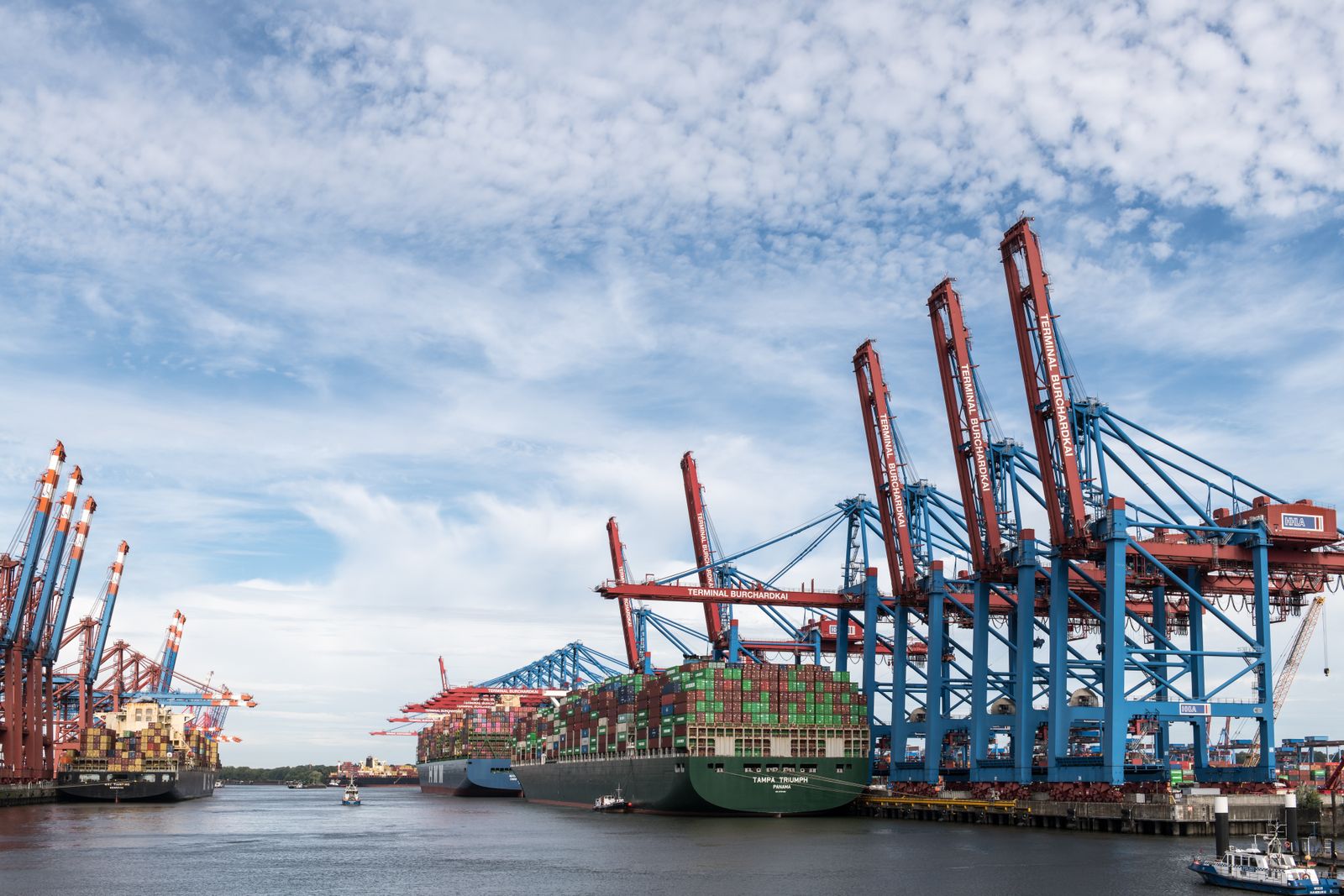
For Hawaii-to-Seattle car shipping, ask the ocean provider to name the mainland release facility and then confirm how the vehicle reaches Seattle. A quote that ends at a mainland terminal is different from a quote that includes the road leg to Washington, even if both are advertised under the same Hawaii-to-Seattle search.
Define the Hawaii-to-Seattle route without assuming a direct port pairing
-
Hawaii origin
State the island, booked facility, owner or lender situation, running status and any condition that affects marine acceptance.
-
Mainland connection
Record the facility, release procedure and authorized collector. If a separate carrier continues north, it should dispatch only after the car is actually available.
-
Seattle receipt
Give the receiver, property and access details. If the carrier needs a larger meeting area, decide that location before it is committed to a narrow urban street.
Make the Seattle receiver ready for terminal and truck updates
Give the Seattle receiver a simple event sequence: ocean availability notice, mainland pickup by the road carrier, dispatch update for the trip north, and final delivery contact. The receiver should know which company is speaking at each stage so a terminal notice is not mistaken for a Seattle delivery notice. If the inland carrier changes, keep the new company name and contact with the condition record rather than relying on a forwarded text message that may be hard to trace later.
Turn this plan into comparable transport options
Use the actual vehicle, pickup and delivery details, timing and handling needs so every quote starts from the same scope.
If the receiver lives in a building with limited loading access, ask the property about usable hours before the road leg is assigned. Choose a backup location that remains practical if the delivery date moves and avoid paying for a narrow parking arrangement too early. When the car is released in Seattle, the receiver should have enough time to inspect it against the Hawaii and mainland records instead of rushing because another appointment was scheduled around an estimated arrival.
Get acceptance before planning a port collection
Ask the booking agent to confirm the departure island, vehicle acceptance, discharge terminal and collection instructions for your shipment. Do not purchase travel to Tacoma or Seattle based only on a general port directory or an old shipping account.
If the offered service lands farther south, request an itinerary that names the mainland trucking connection. Treat port changes as a change in scope: the price, custody sequence and time without your car may all need to be reconsidered.
Decide who handles the mainland leg
| Arrangement | Decision before payment |
|---|---|
| You collect at the confirmed port | Budget travel and the drive to Seattle; wait for a release notice before travelling |
| One booking includes Seattle delivery | Identify who coordinates the truck and answers for a missed collection |
| You book a separate road carrier | Obtain terminal authorization requirements, storage terms and a release contact |
Arrangement: You collect at the confirmed port
Decision before payment: Budget travel and the drive to Seattle; wait for a release notice before travelling
Arrangement: One booking includes Seattle delivery
Decision before payment: Identify who coordinates the truck and answers for a missed collection
Arrangement: You book a separate road carrier
Decision before payment: Obtain terminal authorization requirements, storage terms and a release contact
A vessel’s expected arrival is not a reliable appointment for a collecting truck. Agree how the car’s actual availability is communicated and who approves waiting or storage costs.
Prepare the Hawaii side while routing is confirmed
Hawaii law requires legal-owner authorization for removing a vehicle from the state when the shipper is not its legal owner. Hawaii departure authorization
Resolve financed, leased or agent-delivered paperwork with the chosen operator before the cutoff. If the car is on a neighbor island, ask whether the offer begins there or only after you deliver it to another port. Keep copies of the booking and condition record.
Disclose a nonrunning car, unusual dimensions or low bodywork before acceptance. Follow the actual ocean operator’s instructions on fuel, battery, cleanliness and belongings; do not assume household goods may travel inside.
Make the Seattle handoff executable
Give the receiving dispatcher the final street address, access constraints and an available contact. If the trailer cannot use that property, choose a lawful meeting point with permission and arrange the short car transfer. Include any such transfer in the budget.
Ask for marine, terminal and road charges as a complete total, with cancellation and payment terms. Identify the relevant damage-reporting contact for each custody stage. The recipient should inspect the car against the Hawaii photographs before completing delivery paperwork and retain a record of any discrepancy.