
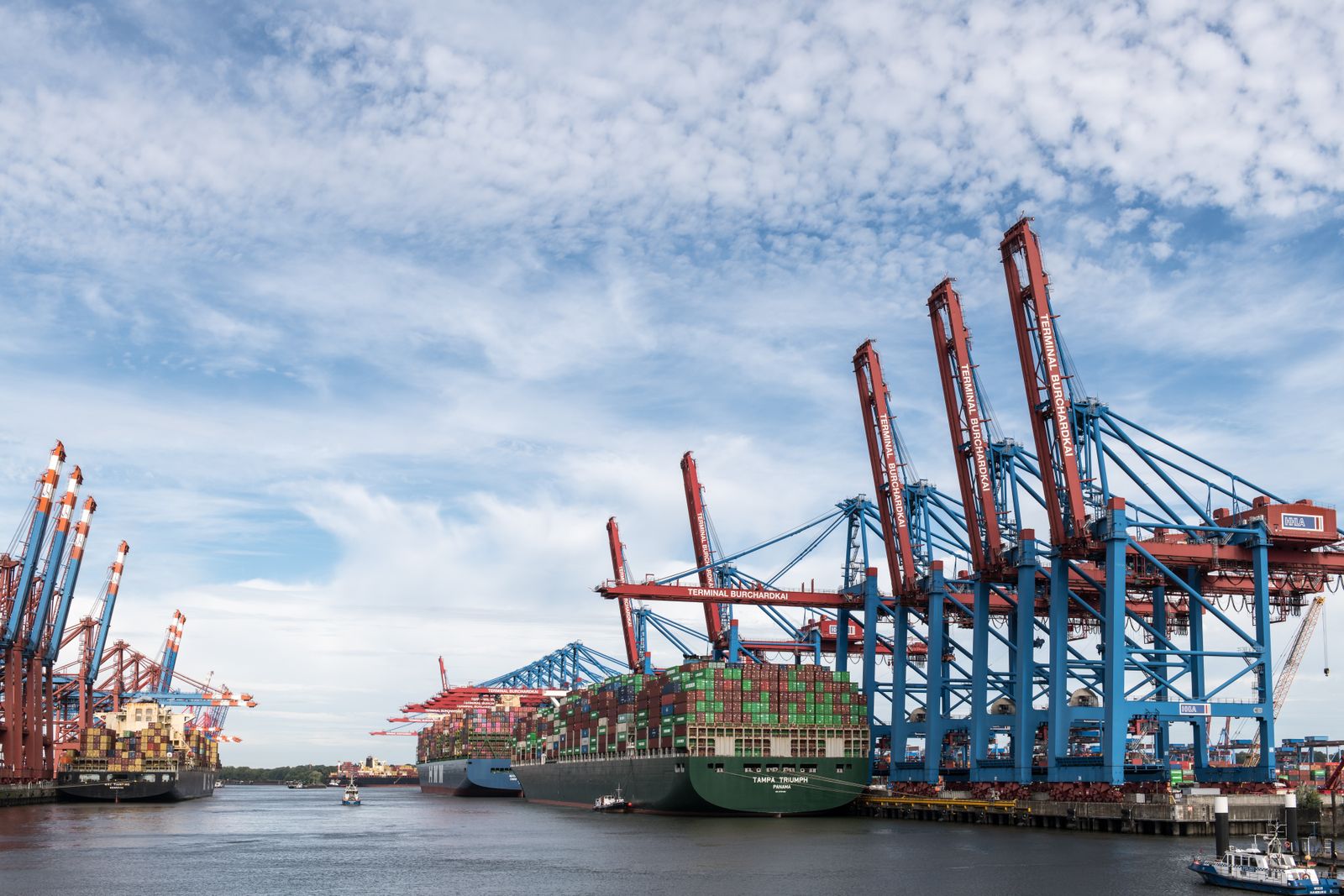
For Long Beach-to-Hawaii car shipping, verify the exact mainland drop-off terminal, destination island terminal and the operator's acceptance rules before you schedule the vehicle handoff. A nearby port name is not enough; the booking should identify where the car is accepted, where it is released, and who is authorized at both ends.
Control the Long Beach-to-Hawaii terminal sequence
-
Before terminal delivery
Finish ownership, authorization and vehicle-condition requirements and confirm the appointment or cutoff that applies to the booked sailing.
-
At mainland acceptance
Read the condition record, keep the receipt and know how the operator will communicate changes or island availability.
-
At island release
Give the collector the terminal instructions and required authority. If another service continues beyond the terminal, arrange it as a separate documented handoff.

Prepare the island collector before the vehicle ever reaches Long Beach
The Hawaii collector should know the booked release facility, the name under which the vehicle is shipped and the process for confirming that it is available. If the owner and collector are different people, complete the operator's authorization process early. Do not wait until the vehicle is already on the water to discover that the intended person cannot collect under the booking as written. A backup collector can also be useful when work, travel or illness makes the first person unavailable.
Turn this plan into comparable transport options
Use the actual vehicle, pickup and delivery details, timing and handling needs so every quote starts from the same scope.
Send the collector the Long Beach condition evidence and a simple summary of what should happen at release: verify identity, inspect the vehicle, compare visible condition, obtain the release paperwork and preserve any claim instructions. If the car cannot be driven from the terminal, arrange the onward move before the release date. That turns island receipt into a planned transfer rather than a last-minute attempt to solve transportation from the gate.
Use the booking address, not a generic port address
Ask whether the quote starts at your Long Beach property or at the mainland terminal. If a road connection is needed, identify who books it and delivers within the receiving window. A general map pin for a port is not a vehicle acceptance instruction.
Specify the Hawaiian discharge port and final address. If the intended island requires another leg, have that connection and its responsibility included. Confirm the cutoff, required documents and how a missed acceptance window changes the booking.
Prepare for acceptance rather than assuming a pass
Hawaii’s Department of Agriculture and Biosecurity lists vehicles among the commodity types requiring port-of-entry inspections. Hawaii port-of-entry inspection guidance
Ask the operator for the preparation instructions that apply to this vehicle and route. Address cleanliness, soil or plant debris, fuel, battery condition, loose contents and any special vehicle technology. Do not use the car to send unapproved agricultural items or personal goods.
Provide dimensions, clearance, modifications and operating condition before paying. Obtain explicit acceptance of disabled handling or unusual equipment for both a road connection and sea carriage. Clear ownership or agent authorization requirements with the booked operator.
Photograph the clean vehicle at release and retain the terminal’s acceptance and condition records. Ask who handles any rejection, extra cleaning or storage before loading.
Price the trip through the final collector
Compare totals for ocean freight, mainland collection, terminal handling, any interisland connection and final delivery. Review payment, cancellation and storage rules, plus coverage and claims contacts at each custody stage.
Arrange the Hawaiian collector after the vehicle is released, not solely from a projected vessel arrival. Confirm identification, authority and transport away from the terminal. Inspect at receipt, record discrepancies and preserve the bill of lading and arrival evidence for later vehicle-administration tasks.