
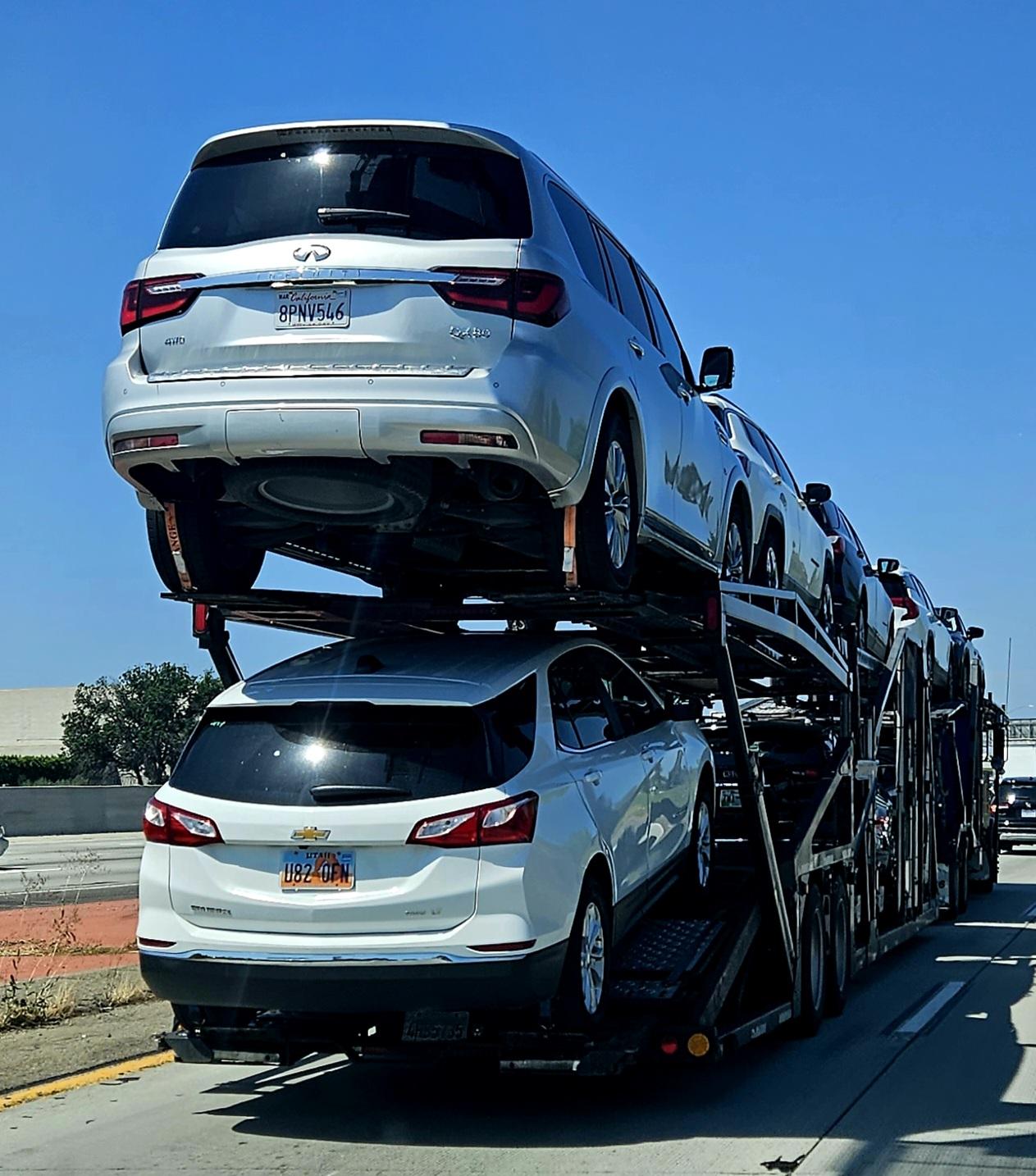
A Miami-to-San Francisco car shipment should be quoted to two specific handoff points with known access. Confirm the Florida release person, California receiver, vehicle condition and transport type, then ask whether the assigned carrier can actually use both properties. If San Francisco unloading needs a larger meeting area, settle that location before the cross-country trip starts.
Check the Miami and San Francisco handoffs before dispatch
-
Miami pickup space
Provide gate instructions, loading hours and any restriction at the home, condo, dealership or storage facility. The releaser should be reachable when dispatch confirms arrival.
-
San Francisco unloading
Treat curb availability and truck access as separate from the quote. If a legal nearby handoff is more practical, record it and make sure the receiver can reach it.
-
Vehicle handling
Disclose running status, clearance and modifications. Compare open and enclosed transport on the same route and endpoints when protection choices matter.

Turn this plan into comparable transport options
Use the actual vehicle, pickup and delivery details, timing and handling needs so every quote starts from the same scope.
Give the San Francisco receiver a delivery plan that works without curb improvisation
Ask the receiver to identify a location where a large transporter can stop without depending on a garage entrance, steep driveway or tightly controlled curb. If the home address is uncertain, select a larger legal alternative before the truck leaves Miami. The receiver should know how far they may need to travel and whether another driver is needed to bring the transported car home. For a nonrunning vehicle, arrange appropriate onward equipment rather than choosing a handoff that only works for a driveable car.
If the receiver will be traveling, name another person with authority to inspect and sign. Give that person the pickup photographs, condition record and any payment instructions. This is especially important on a coast-to-coast move, where an arrival estimate can change after several days. A receiver plan with two capable people and two workable locations is often more useful than trying to obtain one extremely narrow delivery appointment.
Confirm the right approval before applying
SFMTA asks applicants to allow at least five business days for new temporary-sign requests and states that temporary no-parking signs do not supersede existing parking and traffic regulations. SFMTA temporary signage
Describe the car transporter and proposed activity to the agency; do not assume a moving-van process automatically approves every commercial loading arrangement. Obtain the operator’s space and timing needs first. Ask who applies, pays and confirms approval, and keep the delivery estimate compatible with that plan.
Consider the last movement to your property
If the truck cannot use the destination street, identify another location with permission. Decide who meets the carrier there and how the car reaches your residence afterward. For a vehicle that cannot be driven, ask for an explicitly arranged transfer with a named responsible company.
Do not approve a distant handoff merely to preserve an attractive quote without checking the additional time and cost. Any storage, waiting or secondary movement should be described in writing.
Send the receiver more than a phone number
- The agreed unloading address and contact procedure
- Pickup photographs and the condition record from Miami
- Any balance-payment instructions
- The method for recording a delivery concern with the driver
At the origin, disclose vehicle size, modifications and operating problems before carrier assignment. Compare open and enclosed service on the same basis. Ask how the company communicates an arrival change that could affect a curb reservation. Keep a backup receiving contact if your own travel schedule is less flexible than the delivery window.