
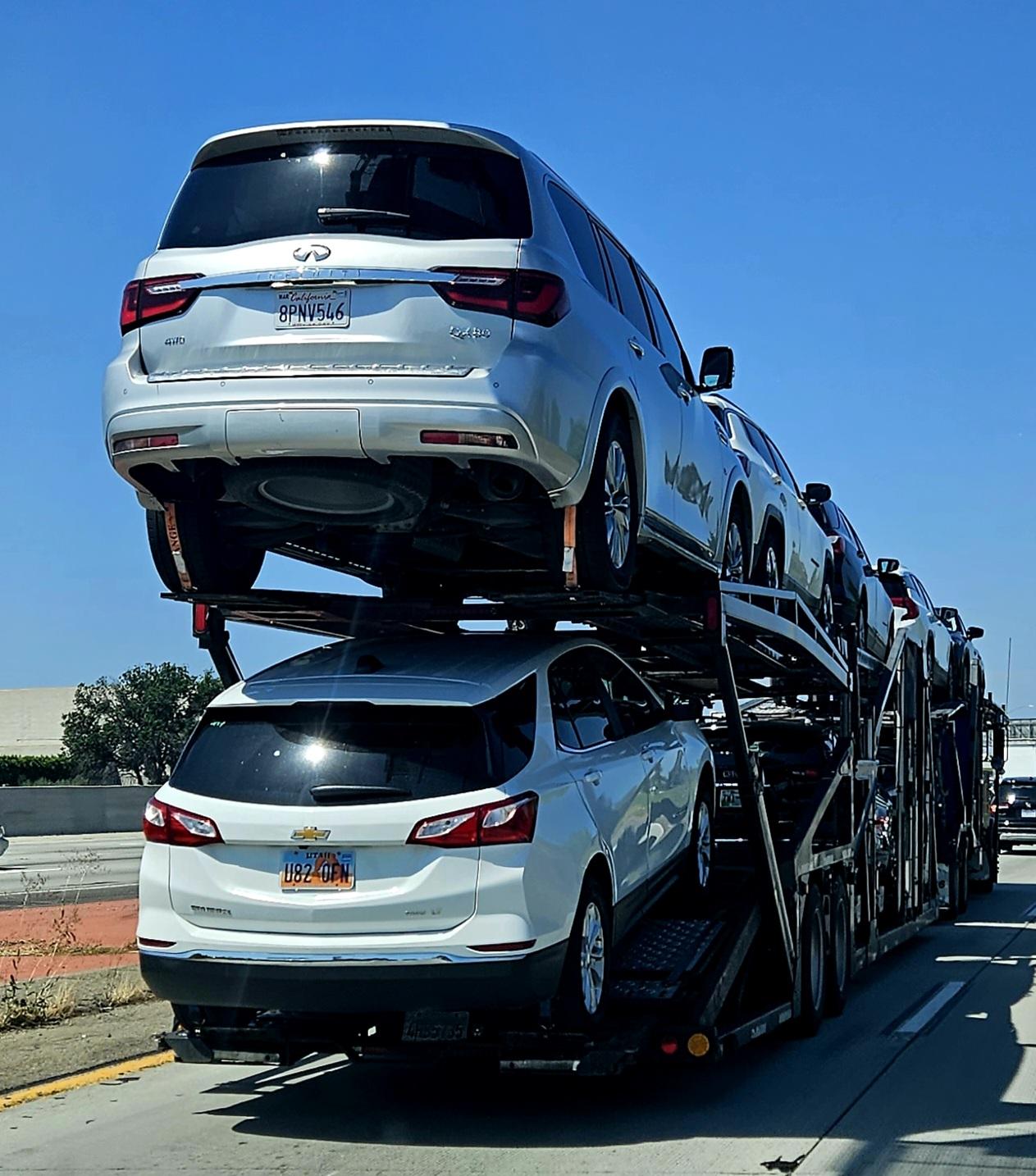
A Pennsylvania-to-California shipment should have a named releaser, named receiver and matching condition evidence at both ends. Give every provider the same addresses, vehicle state and transport method. If either property is difficult for a large carrier, approve the alternate handoff before dispatch and put it in writing.
Use documents and condition records to connect Pennsylvania pickup to California delivery
-
Release record
Confirm keys, pickup hours and authorization, then create photographs and a condition report before the car leaves Pennsylvania.
-
Order record
Keep the accepted addresses, service type, payment schedule, cancellation terms and any written change to a meeting point with the booking.
-
Delivery record
Send the California receiver the departure evidence and have that person inspect before signing when conditions allow. Keep the carrier's claim procedure with the final paperwork.

Do not let coast-to-coast timing weaken the Pennsylvania release process
The releaser should wait for the confirmed carrier information and pickup window before handing keys to anyone. If the car is at a dealership, repair shop or storage lot, verify the business's own release procedure and any bill or authorization that must be cleared. A long route does not change the basic custody question: the person releasing the vehicle should know who is taking it and should preserve the condition record created at that moment.
Turn this plan into comparable transport options
Use the actual vehicle, pickup and delivery details, timing and handling needs so every quote starts from the same scope.
If pickup moves outside the releaser's availability, decide whether another authorized person can step in or whether the order must be rescheduled. Avoid leaving keys hidden or asking a business to release without a named recipient unless the booked company has an approved process for that situation. The same discipline should carry through to California delivery, where the receiver should be identified before the truck reaches the area.
Confirm that the Pennsylvania vehicle can leave
For a purchase, ask the seller to confirm cleared payment, completed release instructions and the collection hours. For a vehicle you already own, nominate someone who can inspect it with the driver if you leave first. Send the actual pickup address rather than a general city-center meeting point.
At the California end, decide whether the job finishes at a property or a terminal. If collection requires a separate vehicle or driver, arrange that before accepting the transport proposal. Keep any earliest-delivery restriction in writing.
If you are buying a Pennsylvania-titled car
PennDOT instructs sellers of Pennsylvania-titled vehicles to complete the applicable title entries and sign in the presence of an authorized agent. PennDOT buying or selling a vehicle fact sheet
Ask the seller and title agent to resolve the transaction before setting a collection appointment. This is a Pennsylvania title-transfer consideration, not a claim that a California buyer must register the car in Pennsylvania. Have the receiving-state requirements checked for your transaction, and arrange secure transfer of the ownership documents.
A carrier can collect keys and record vehicle condition, but that does not resolve a missing seller signature. If the sale is not ready, change the release date before a truck is dispatched. An already-owned vehicle does not acquire a new sale requirement merely because it crosses state lines.
Keep documents available for the next stage
California DMV requires evidence establishing ownership when registering a nonresident vehicle. California DMV ownership and registration requirements
If the move includes a change of ownership or registration state, resolve missing seller documents before the car is far away. Ask DMV what applies to the particular transaction. Keep originals secure and accessible; do not assume a bill of lading substitutes for title documentation.
Set the transport terms around the actual car
- Confirm trailer type and disclose modifications affecting loading.
- Describe starting, steering and braking condition accurately.
- Obtain the full charge, payment stages and cancellation terms.
- Ask when the hauling company will be identified and how schedule updates arrive.
Make a departure condition record and send it to the California receiver. Allow an inspection before delivery is acknowledged, noting any discrepancy through the agreed process. A paperwork-ready car still needs a workable loading and unloading place; keep those decisions separate.