
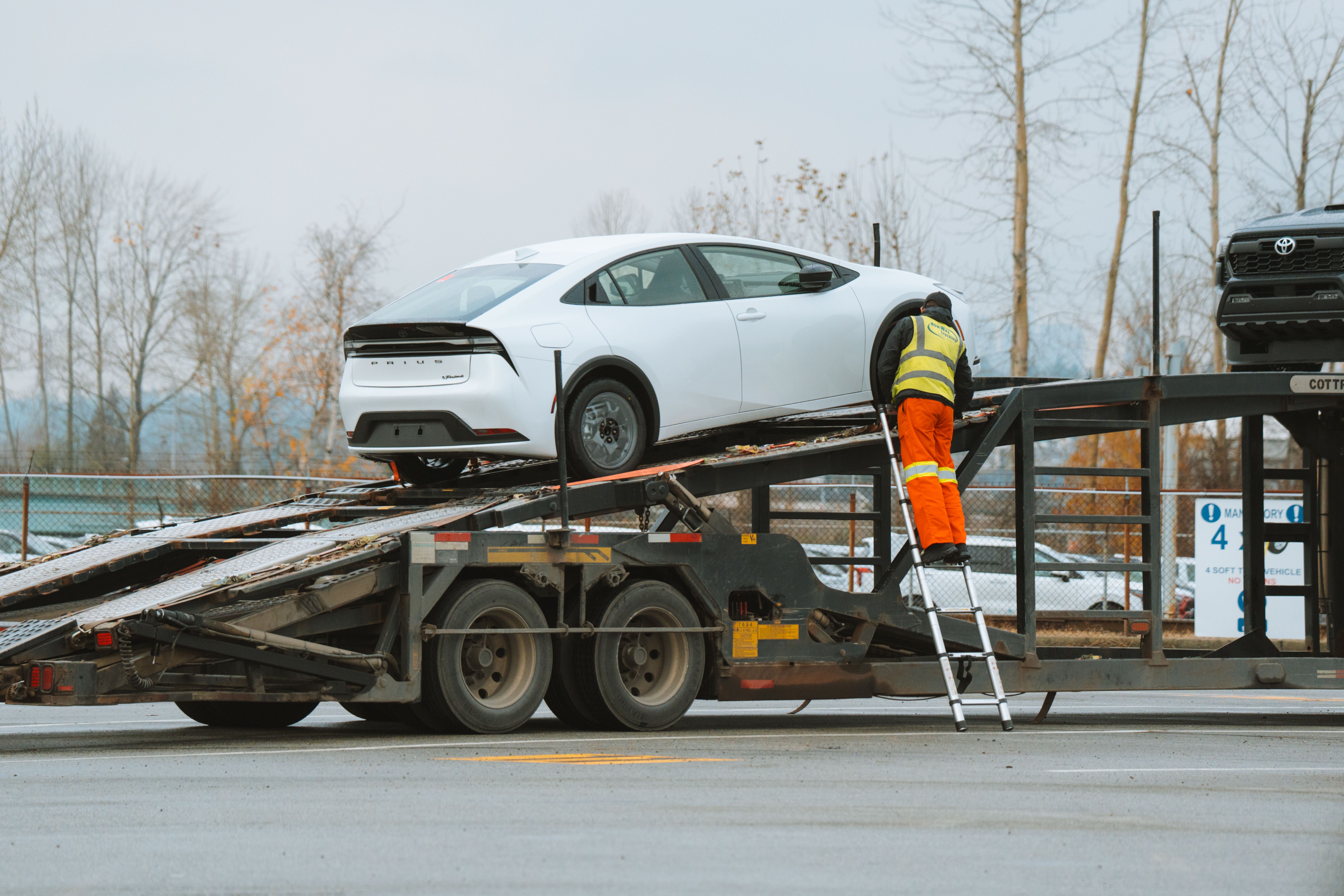
For San Diego-to-Seattle car shipping, confirm the receiver and unloading location before dispatch. If the Seattle handoff depends on reserved curb space or another time-sensitive arrangement, also choose a fallback location because the carrier's arrival estimate can move. The service should still work when the timing changes.
Make the Seattle receiving space part of the booking
-
Space
Tell the carrier what the Seattle street or property is actually like, including signs, gates, narrow approaches and available loading area.
-
Authority
A parking reservation or property permission and the carrier's lawful truck operation are separate questions. The assigned carrier should evaluate the approach it can use.
-
Fallback
Choose a larger legal meeting point or terminal option that the receiver can reach if the original spot is unavailable.
Turn this plan into comparable transport options
Use the actual vehicle, pickup and delivery details, timing and handling needs so every quote starts from the same scope.
Coordinate any Seattle curb plan with the carrier's realistic notice window
Ask dispatch how close to arrival it can normally narrow the delivery estimate, then compare that with any lead time or fixed period required for the receiving space you intend to use. If those two timelines do not fit well, rely on a more flexible private or commercial handoff rather than forcing the truck into a reservation that may expire before it arrives. The carrier should still review its legal and safe approach to the selected location.
A receiver who understands this timing problem can react without panic. Give that person the approved backup site, the driver's contact process and the pickup condition evidence. If the car is being delivered to a repair shop or storage facility, confirm that facility's hours and authorization to accept on the owner's behalf. The receiving arrangement should remain usable even when the transport estimate changes by more than the parking plan does.
Ask about both the space and the truck
Seattle offers Temporary No Parking Zones and distinguishes them from the Restricted Area Truck Permit needed for specified moving-truck use. Seattle temporary no-parking reservations
Ask SDOT whether the proposed auto-carrier operation fits those processes and what signs or lead times apply. Do not assume a no-parking reservation alone authorizes every truck use. Give the hauler the full loading footprint and have it review the approach.
Make the receiving plan adjustable
Confirm who can accept the car if you are still traveling from San Diego. Ask how a changed estimate affects any time-limited curb arrangement. If another location is required, get permission there and identify who completes the final transfer.
For terminal collection, obtain the actual address, release hours and storage terms before comparing it with property delivery.
Match the equipment and condition record
Disclose modifications, clearance and operating faults. Request appropriate open or enclosed handling, the assigned hauler contact and the full payment and cancellation terms. Confirm seller or shop release instructions where applicable.
Save departure photographs and send the pickup report to Seattle. The receiver should inspect against it before signing and use the agreed claims channel for any discrepancy.