
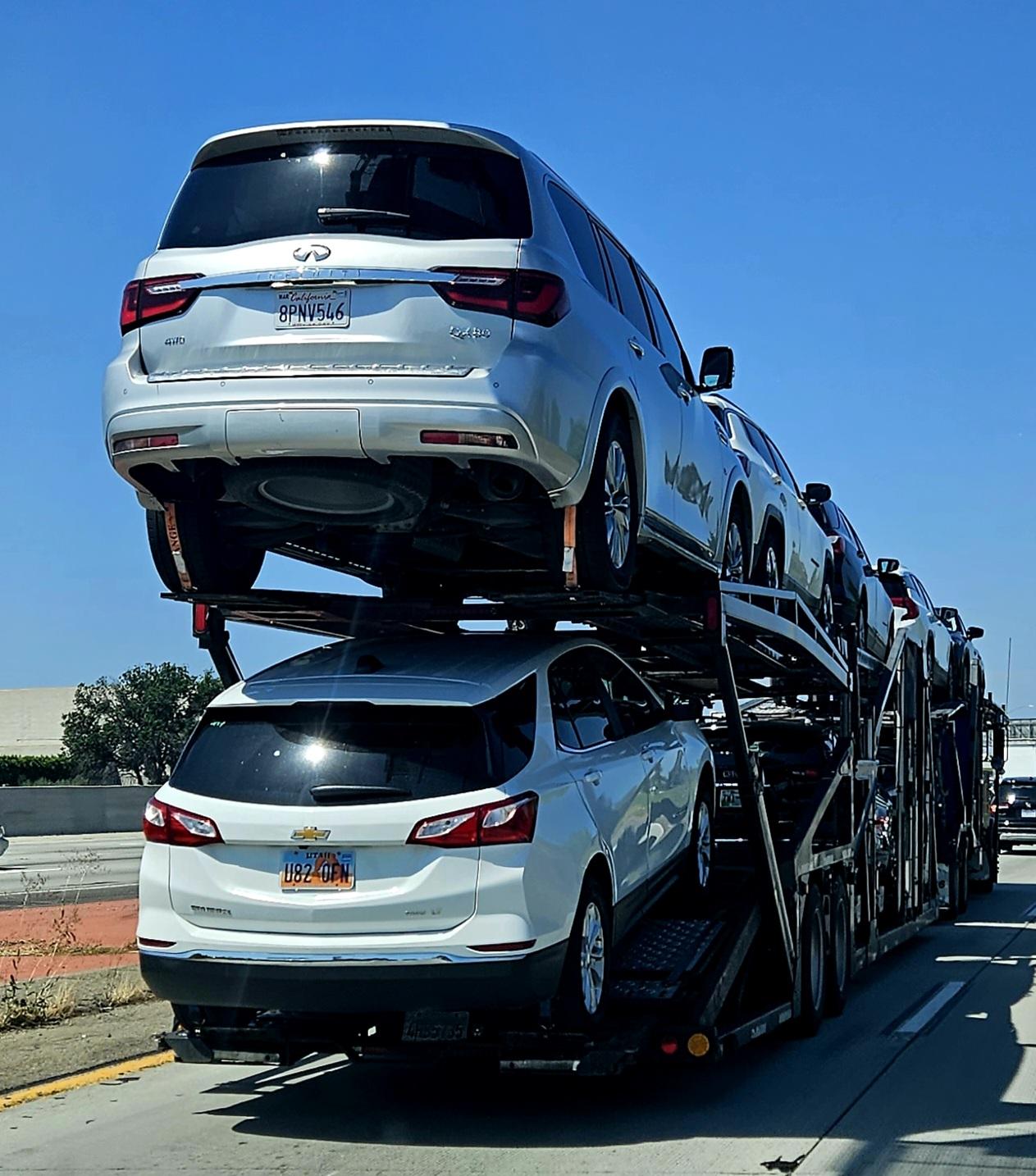
A San Diego-to-Virginia shipment needs a real Virginia city or county, receiving address and person, not just the state name. That lets the carrier price the road task and lets the owner separately check any post-delivery registration or inspection obligations. Keep shipping condition records distinct from government vehicle requirements.
Specify the Virginia destination before the car leaves San Diego
-
Transport endpoint
Give the street address, access conditions and available receiving hours. If a terminal or larger meeting point is proposed, confirm how the car reaches its true destination.
-
Owner follow-up
Check registration, emissions or safety requirements with the relevant Virginia authorities for the vehicle and locality. The carrier's pickup inspection does not substitute for those processes.
-
Evidence transfer
Send departure photographs and the signed pickup report to the Virginia receiver so delivery inspection begins with the same baseline recorded in California.

Keep Virginia transport receipt separate from registration readiness
A car can be successfully transported to Virginia even when the owner still has title, registration, tax, inspection or insurance tasks to complete afterward. Do not make the carrier responsible for determining whether the vehicle may be driven from the delivery point. Instead, verify those requirements with the relevant authority and choose a handoff that works with the car's actual legal and mechanical status. If driving away is uncertain, a home, storage or tow-accessible location may be better than a remote meeting point.
Tell the receiver which documents belong to the transport transaction: the shipping agreement, condition record, payment receipt and any written delivery-location change. Keep government forms or seller paperwork in a separate owner file. That division makes it easier to identify what the carrier must complete at delivery and what remains the owner's responsibility after the car is safely received.
Separate emissions from safety inspection
Virginia DMV links emissions-inspection requirements to specified localities, separately from its vehicle safety-inspection guidance. Virginia DMV new-resident guidance
If you are establishing Virginia registration, check the rules and any exemptions for your vehicle and garaging address. Do not assume an emissions check applies statewide or that the carrier’s condition inspection satisfies either official process.
Confirm property access and the receiver
Give dispatch the full address, entrance and available hours. If it is a controlled-access workplace or residence, obtain receiving instructions from the responsible contact. A carrier booking does not confer facility entry.
Ask whether the quoted service includes that address or ends at a terminal. For terminal collection, establish release hours, storage terms and suitable onward movement if the vehicle cannot be driven.
Connect the handoff evidence
Confirm seller or shop authorization, keys and an accurate condition description. Request open or enclosed handling suited to clearance and modifications. Compare the full payment schedule and cancellation policy, and identify the hauling company.
Send departure photos and the pickup report to Virginia. Have the receiver inspect before signing and retain claim instructions. Keep dependent DMV or inspection appointments separate from an unconfirmed delivery estimate.