
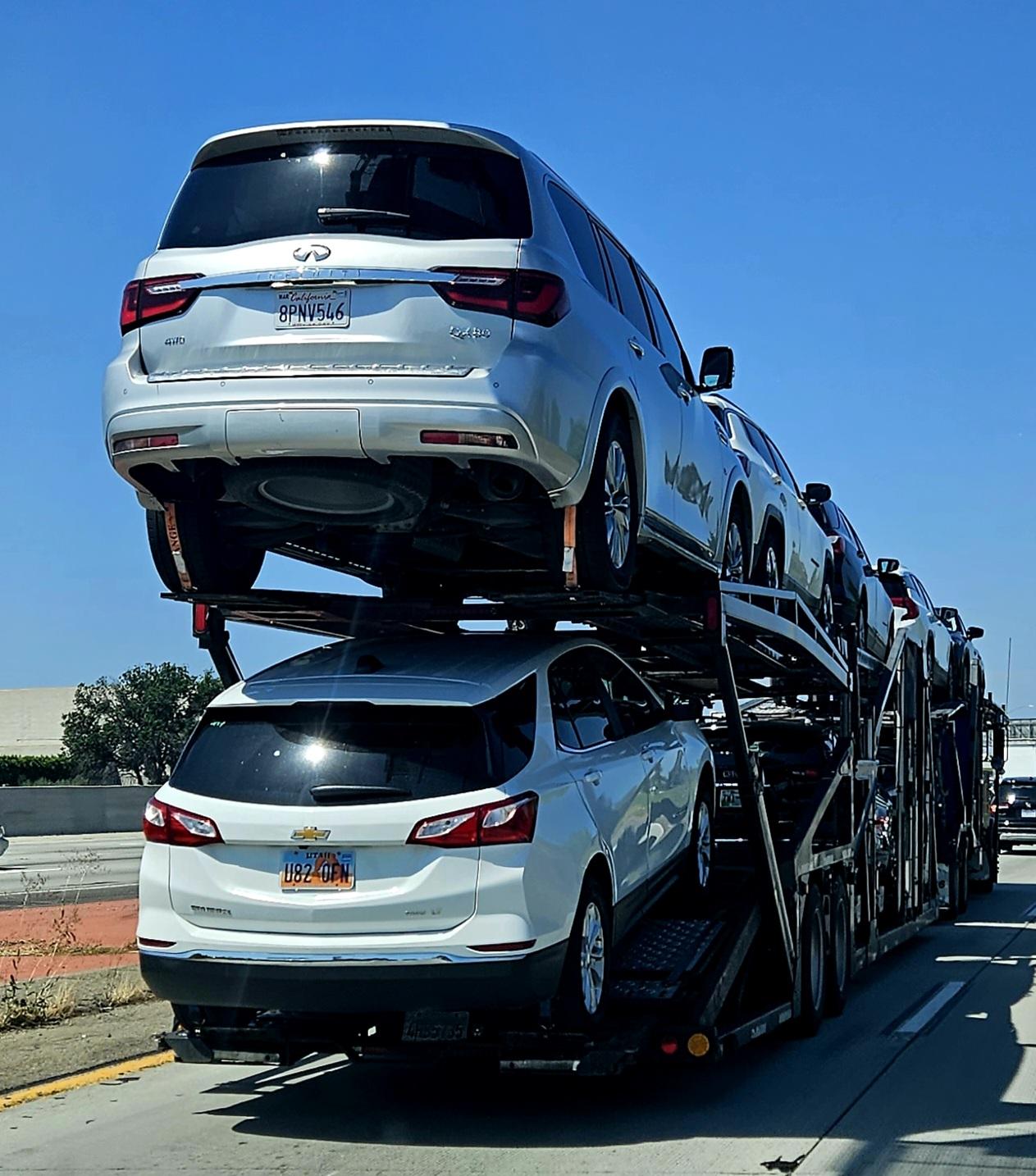
Shipping a car from Texas to Washington starts with the actual origin and Washington destination. Tell the carrier whether either address has rural access, steep or narrow roads, controlled entry or limited loading hours, then agree a fallback before dispatch. The lane distance alone cannot answer the final-access question.
Turn Texas-to-Washington into exact pickup and receiving decisions
-
Origin facts
Give the Texas street or property, available releaser, vehicle condition and any road or gate issue that affects a large carrier.
-
Destination facts
Name the Washington city and property, not just the state. Check loading room, receiver hours and any seasonal or local access issue the assigned carrier must consider.
-
Fallback facts
Record a legal meeting point, who approves it and how a nonrunning car completes the final short distance if the transporter cannot reach the property.

Draw the end of the transport contract
Give the provider the street address, not just “Washington” or the nearest large city. Ask it to identify where custody ends and whether you must drive the car onward. A port or mainland meeting-point service can be useful, but it needs to be described that way.
Turn this plan into comparable transport options
Use the actual vehicle, pickup and delivery details, timing and handling needs so every quote starts from the same scope.
If you cannot collect the car yourself, say so when requesting the quote. Also explain if it cannot be driven, since that changes how any final segment could be completed.
Have the operator assess the actual combination
Washington State Ferries publishes specific guidance and a travel-request process for commercial or oversized vehicles meeting its criteria. WSDOT commercial and oversized ferry vehicle guidance
If a ferry is part of the proposed service, the transporter should check the route, vehicle dimensions and applicable arrangements with the ferry operator. A reservation suitable for a passenger car should not be assumed to cover a loaded transporter. This page does not establish a ferry booking or approval for particular equipment.
Expose separately priced segments
| Possible segment | Question before accepting |
|---|---|
| Texas collection | Is the agreed property handoff included? |
| Mainland haul | Where does this carrier’s custody end? |
| Ferry-dependent delivery | Who arranges and pays for it, if required? |
| Delay or missed connection | Who approves storage, waiting or a revised booking? |
Possible segment: Texas collection
Question before accepting: Is the agreed property handoff included?
Possible segment: Mainland haul
Question before accepting: Where does this carrier’s custody end?
Possible segment: Ferry-dependent delivery
Question before accepting: Who arranges and pays for it, if required?
Possible segment: Delay or missed connection
Question before accepting: Who approves storage, waiting or a revised booking?
Consider two proposed endpoints without assuming either is available. If the quote ends on the mainland and you drive onward, you must be able to collect a drivable car and make that onward trip. If the quote carries the vehicle to the ferry-dependent property, require the provider to identify the final equipment and handoff. For an immobilized car, the first version is incomplete until separate onward handling is arranged. Ask bidders to price the version you can actually perform.
Put a recipient at the contracted endpoint
Authorize the receiver through the provider’s process and send them the Texas condition record. Ask how a changed arrival window will be communicated, especially if the receiver must make separate travel arrangements to reach the car.
Compare offers only after the endpoint and any final segment are aligned. Do not let an attractive mainland price stand in for a delivery arrangement the quote does not include.