
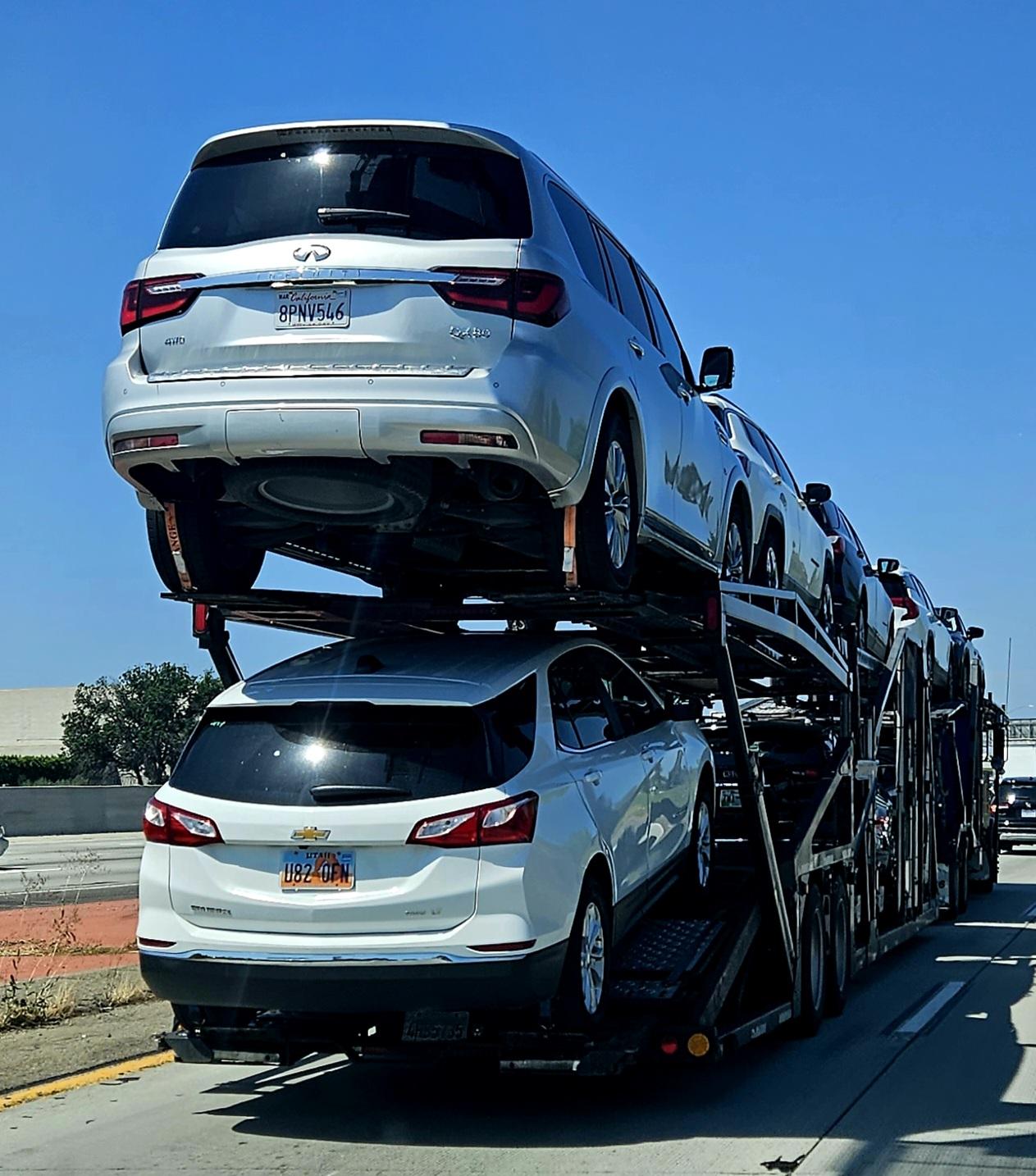
Shipping a vehicle from Alaska to Washington may involve ocean or other multimodal custody before the final road delivery. Ask where the Alaska service actually begins, where the vehicle is released on the Washington side, and whether a road carrier continues to your address. Treat each transfer as a separate condition and authorization checkpoint.
Connect Alaska release to the final Washington handoff
-
Alaska release
Confirm the person, facility, appointment and vehicle-preparation rules that apply to the booked first leg. A state name is not enough to identify the actual terminal or pickup.
-
Washington arrival
Name the release facility or road-carrier connection and wait for confirmed availability before arranging collection or onward transport.
-
Final address
If the long-haul service ends before your property, price the remaining road leg and confirm receiver access. A terminal handoff should be visible in the plan.
Turn this plan into comparable transport options
Use the actual vehicle, pickup and delivery details, timing and handling needs so every quote starts from the same scope.
Separate the Alaska departure handoff from the Washington arrival handoff
An Alaska-to-Washington vehicle move may involve more than one custody stage, so write down where the first transporter accepts the car and where the final transporter or customer receives it. If the vehicle enters a terminal or marine leg, ask which company controls that segment, what receipt proves acceptance and what notice proves the car is actually releasable at the Washington end. Do not use an estimated arrival date as a substitute for a release notice. If a Washington road carrier will collect the vehicle after arrival, give it the terminal requirements and enough scheduling margin to avoid assuming immediate same-day pickup.
Prepare a fallback for a car that cannot leave under its own power. A vehicle that ran at the Alaska handoff can still arrive with a discharged battery or another mechanical issue unrelated to visible transport damage. Confirm whether the receiving facility allows a tow or recovery carrier and what authorization that third party would need. Preserve the Alaska photos, terminal inspection and Washington release inspection as separate records. That evidence helps distinguish a condition change during custody from an unrelated mechanical problem and makes any follow-up much more concrete.
If the Alaska origin is outside the carrier's normal loading area, clarify whether the customer must bring the vehicle to a terminal or whether a separate road leg is included. The same applies after Washington release. Put each handoff and included leg in writing so an ocean-inclusive quote is not mistaken for a complete address-to-address move when one end still requires customer-arranged transport.
Complete the Washington side
Avoid route shorthand
Do not treat "Alaska to Washington" as one standard itinerary. The provider should state the actual path and handoff chain it is pricing.