
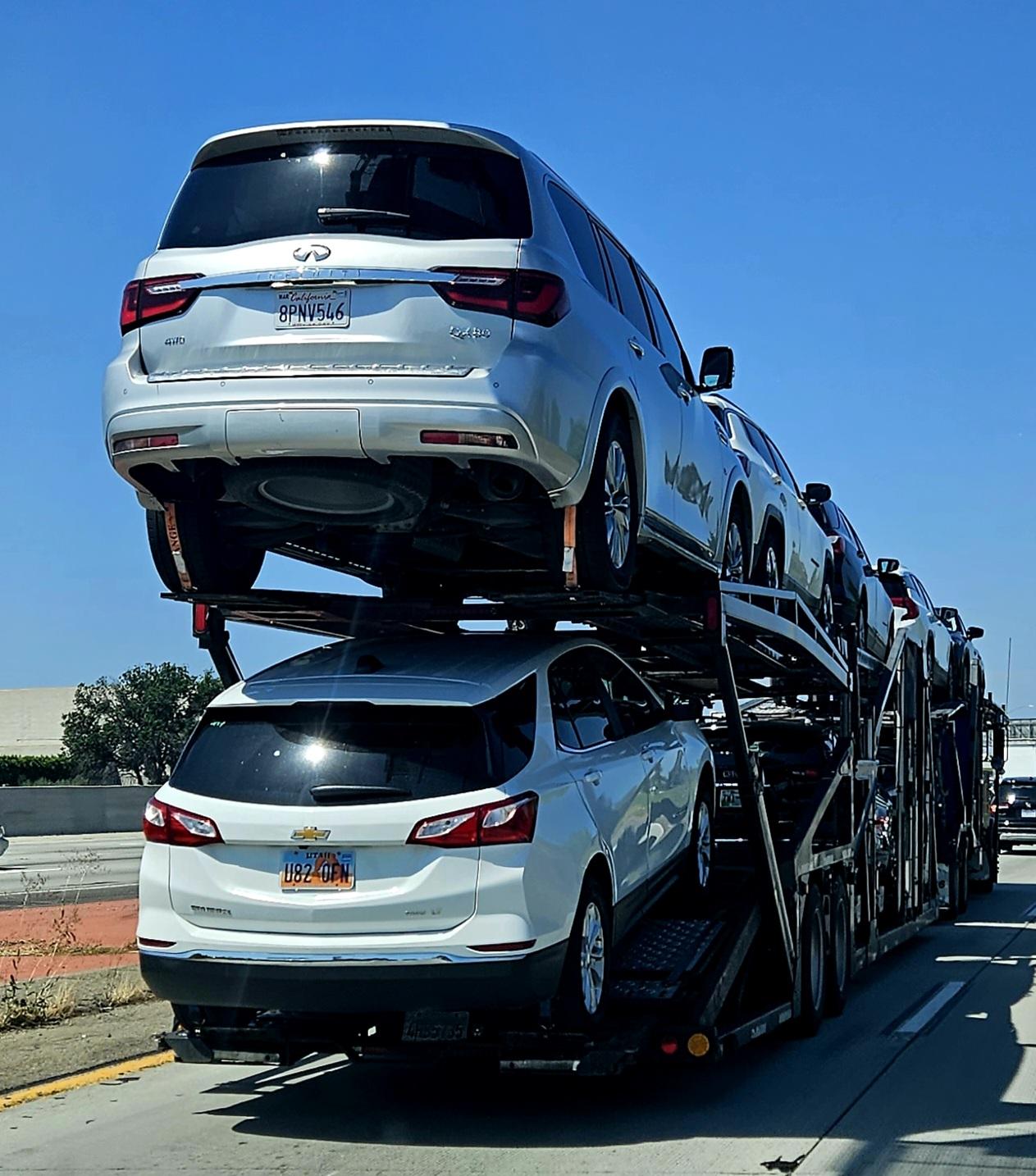
To transport a car to California, first specify the origin, California city, exact delivery property, vehicle condition and service type. A state-level quote cannot settle urban access, rural delivery or the final transfer. Compare prices only after every provider is quoting the same endpoint and handling assumptions.
Choose a California delivery plan before asking for the lowest price
-
Property delivery
Use when the assigned carrier can safely reach the address and the receiver can attend. Confirm gates, hours, turning room and any loading restriction.
-
Meeting-point delivery
Use when a larger legal location is more practical. Make sure the receiver can reach it and the vehicle can complete the last short distance.
-
Terminal or local transfer
Use when it solves a real access or timing problem. Compare the extra handling with door-to-door service rather than assuming the two costs include the same work.

Complete the missing half of the route
Provide the origin address, California destination, vehicle model and current operating condition. State the release window and who can attend each handoff. Add clearance modifications and your equipment preference rather than letting a form assume an ordinary running car.
Turn this plan into comparable transport options
Use the actual vehicle, pickup and delivery details, timing and handling needs so every quote starts from the same scope.
Explain whether this is a car you already own, a recent purchase or another authorized transfer. That distinction can affect who releases it and which documents remain outside the transport process.
Compare versions you can actually use
| Version to ask about | What must remain in the comparison |
|---|---|
| Requested property handoffs | Truck access and permission at both addresses. |
| Alternative meeting points | Your ability and cost to move the car to or from them. |
| Different equipment | Whether it still meets the vehicle’s loading and protection needs. |
| Wider date flexibility | Whether both contacts can attend the offered windows. |
Version to ask about: Requested property handoffs
What must remain in the comparison: Truck access and permission at both addresses.
Version to ask about: Alternative meeting points
What must remain in the comparison: Your ability and cost to move the car to or from them.
Version to ask about: Different equipment
What must remain in the comparison: Whether it still meets the vehicle’s loading and protection needs.
Version to ask about: Wider date flexibility
What must remain in the comparison: Whether both contacts can attend the offered windows.
Check an out-of-state acquisition before shipping it
California DMV publishes guidance on registering vehicles bought outside the state, with certification restrictions and exceptions. California DMV out-of-state purchase guidance
For a purchase, check the actual vehicle and your circumstances before assuming it can be registered for the intended use. Transport acceptance is not a DMV decision. A car you already own may raise a different administrative question from one you are considering buying.
Include costs shifted to the owner
Ask for the total and exclusions, including extra loading help, local transfers, holding and failed-appointment terms. If you are comparing shipping with driving the car yourself, include the feasibility of a lawful, road-ready vehicle, your travel time and the travel expenses you would actually incur. Do not compare one provider’s complete service with only part of another option.
No California-wide tariff or cheapest-company claim is established here. Request a written price for the scope you have defined.
Prepare for a real delivery
Verify the assigned carrier through the booking contact before release. Keep pickup photographs and the condition document, and share them with the California recipient. Agree who can authorize a changed location or schedule and how extra charges are approved. Keep vehicle registration work separate from the delivery receipt.