
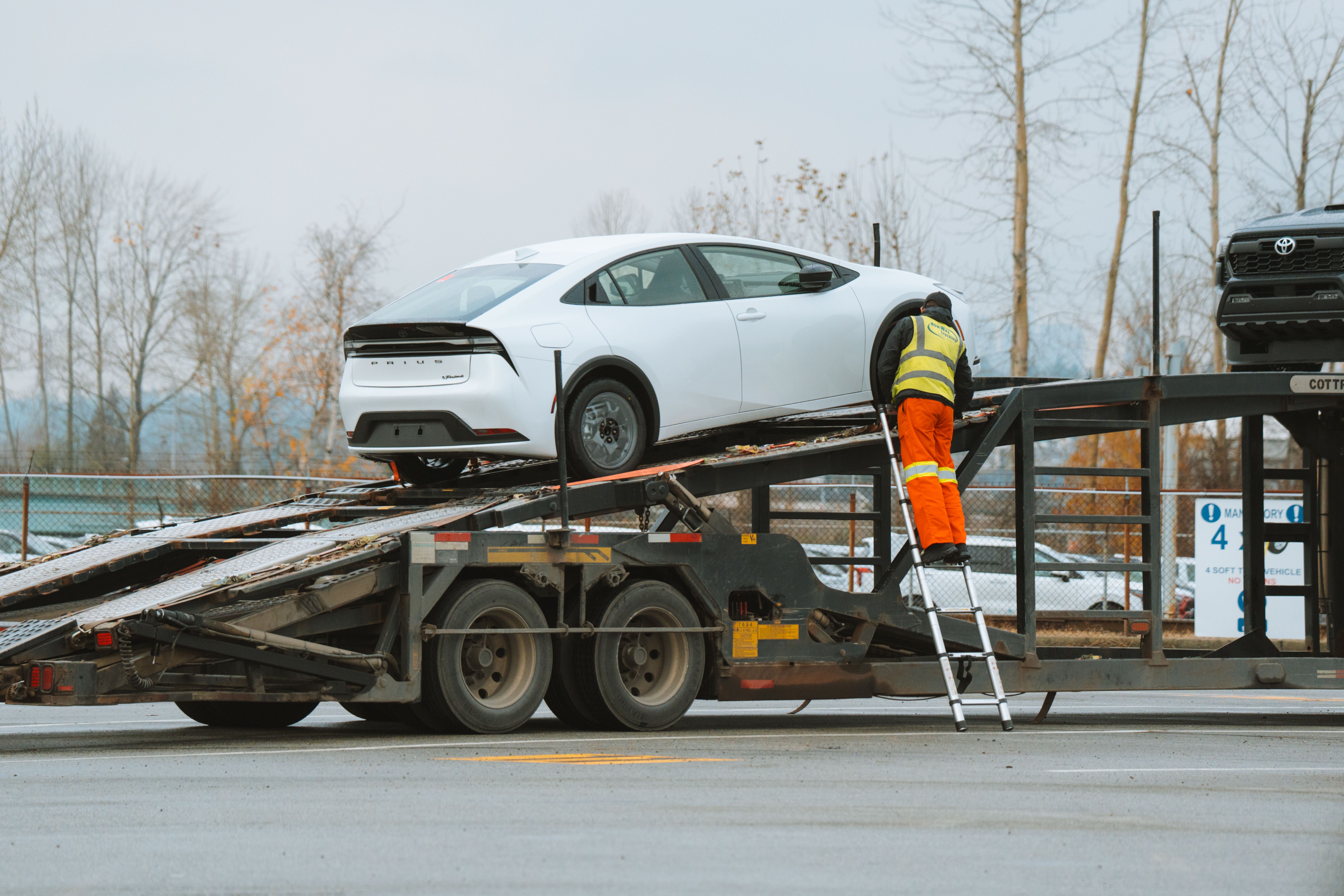
If you are having a used car shipped to you, treat the purchase and transport as linked but separate transactions. Confirm the seller will release the exact vehicle, verify who is collecting it, obtain condition evidence before loading, and choose a delivery location where you can inspect the car before the transport handoff ends.
Turn an online or remote used-car purchase into a controlled delivery
-
Seller release
Confirm the VIN, keys, pickup address, business or seller hours and the person authorized to hand the car to the assigned carrier.
-
Carrier custody
Use a written transport order with the actual vehicle condition and endpoint. Ask whether the car may transfer between trucks and how nonrunning or modified condition affects handling.
-
Buyer receipt
Choose a location where you can inspect and secure the car. If home access is poor, compare a larger meeting point with door-to-door delivery rather than assuming they are equivalent.

Turn this plan into comparable transport options
Use the actual vehicle, pickup and delivery details, timing and handling needs so every quote starts from the same scope.
Make the seller-to-carrier handoff part of the purchase plan
When a used car is being shipped directly from a seller, dealership or auction, decide who is responsible for releasing it and what the transporter must show before taking possession. Give the seller the assigned carrier or driver's verified details through the booking channel rather than accepting an unexpected pickup request. Confirm that keys, access codes and any item required for safe loading will be available. If the seller cannot be present, identify the employee or authorized person who will complete the handoff and condition record.
The buyer should obtain timestamped exterior photos before pickup when possible, especially if the sale was completed remotely. Those images do not replace a professional mechanical inspection and they do not prove the car's roadworthiness; they establish visible condition at the transport handoff. At delivery, compare the same areas before signing the final condition record. Keep purchase disputes separate from transport-condition disputes: a defect that existed when the seller released the vehicle is a different issue from damage alleged to have occurred while the carrier had custody.
Before the carrier is dispatched, verify the vehicle identification number against the purchase paperwork and the seller's release instructions. Remote purchases can involve multiple similar vehicles on a lot or auction property. Matching the VIN at handoff, together with photos and keys, is a simple control that protects both the buyer and transporter from moving the wrong unit.
Separate the purchase decision from the transport job
Information the carrier needs
Document condition at handoff
Transport-condition photos are useful for recording what was handed to the carrier, but they are not a substitute for a mechanical inspection or purchase due diligence.
Verify the interstate transport entity
FMCSA advises consumers to distinguish auto brokers from transporters and verify interstate registration.