
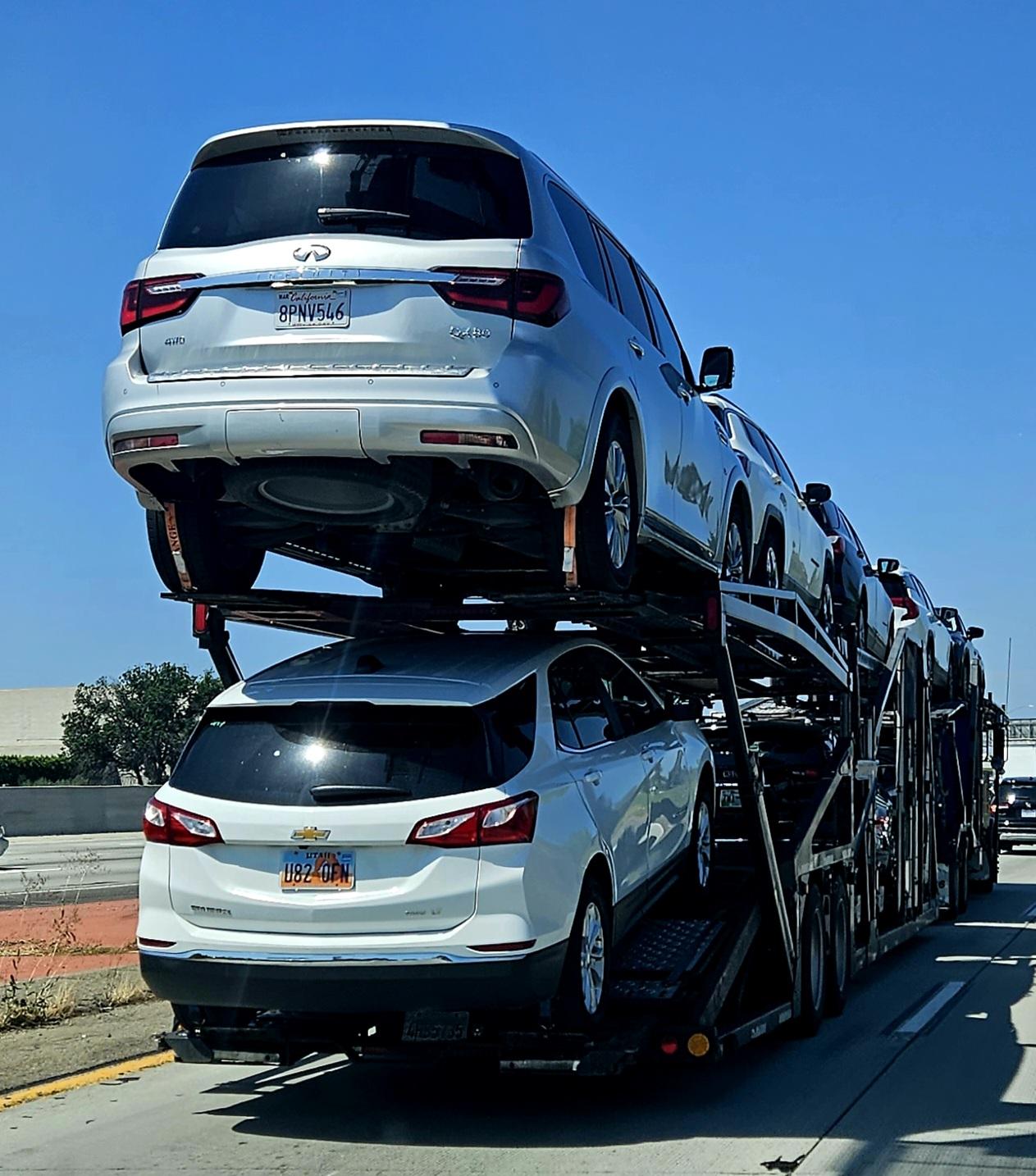
Canada-to-USA vehicle transport requires the importer to resolve U.S. entry eligibility and documentation separately from the carrier's physical movement. Verify the federal requirements that apply to the actual vehicle and intended use, then make the transport order state who collects in Canada, who handles border or entry tasks, and where U.S. delivery ends.
For a passenger car, separate federal vehicle-safety eligibility, emissions requirements and customs entry from the carrier’s pickup and line-haul service.
Separate Canada-to-USA entry compliance from transportation
-
Verify the entry basis
Use U.S. government guidance or a qualified import professional for safety, emissions and customs questions tied to the vehicle. A freight quote is not an eligibility ruling.
-
Define border responsibility
Ask which documents the carrier transports or submits, whether brokerage is included, who communicates during a hold and what conditional charges may apply.
-
Define U.S. receipt
Name the final address and receiver and plan continued road transport if the car cannot legally or practically be driven after release.

Prepare a contingency for a Canada-to-U.S. entry that cannot clear as planned
Before pickup in Canada, ask the carrier what it will do if the vehicle cannot complete U.S. entry on the planned crossing. The answer should identify a lawful waiting or return procedure rather than implying that a driver can solve an eligibility problem at the border. Keep ownership, vehicle identity and federal compliance documents accessible to the responsible importer, not packed inside the vehicle. If a broker or other specialist is involved, write down who communicates with that party and who authorizes additional movement.
Also confirm the U.S. delivery plan independently from the border plan. The person receiving the vehicle should know the likely notice process, have the pickup condition record and be able to reach an accessible unloading point. If the vehicle is not registered or otherwise ready for legal road use after import, arrange transport from the release point rather than assuming it can be driven away. Crossing the border and being ready for ordinary U.S. road use are separate questions.
Build the car import file before booking transport
Confirm the exact vehicle identity and which NHTSA declaration basis applies. Review EPA import requirements for the vehicle/engine, and identify who will handle customs entry and any required forms.
Keep border compliance separate from carrier scope
A transporter can move the car without determining that the vehicle is legally admissible. Ask each provider which documents or handoffs it needs, but verify import eligibility through the responsible federal sources.