
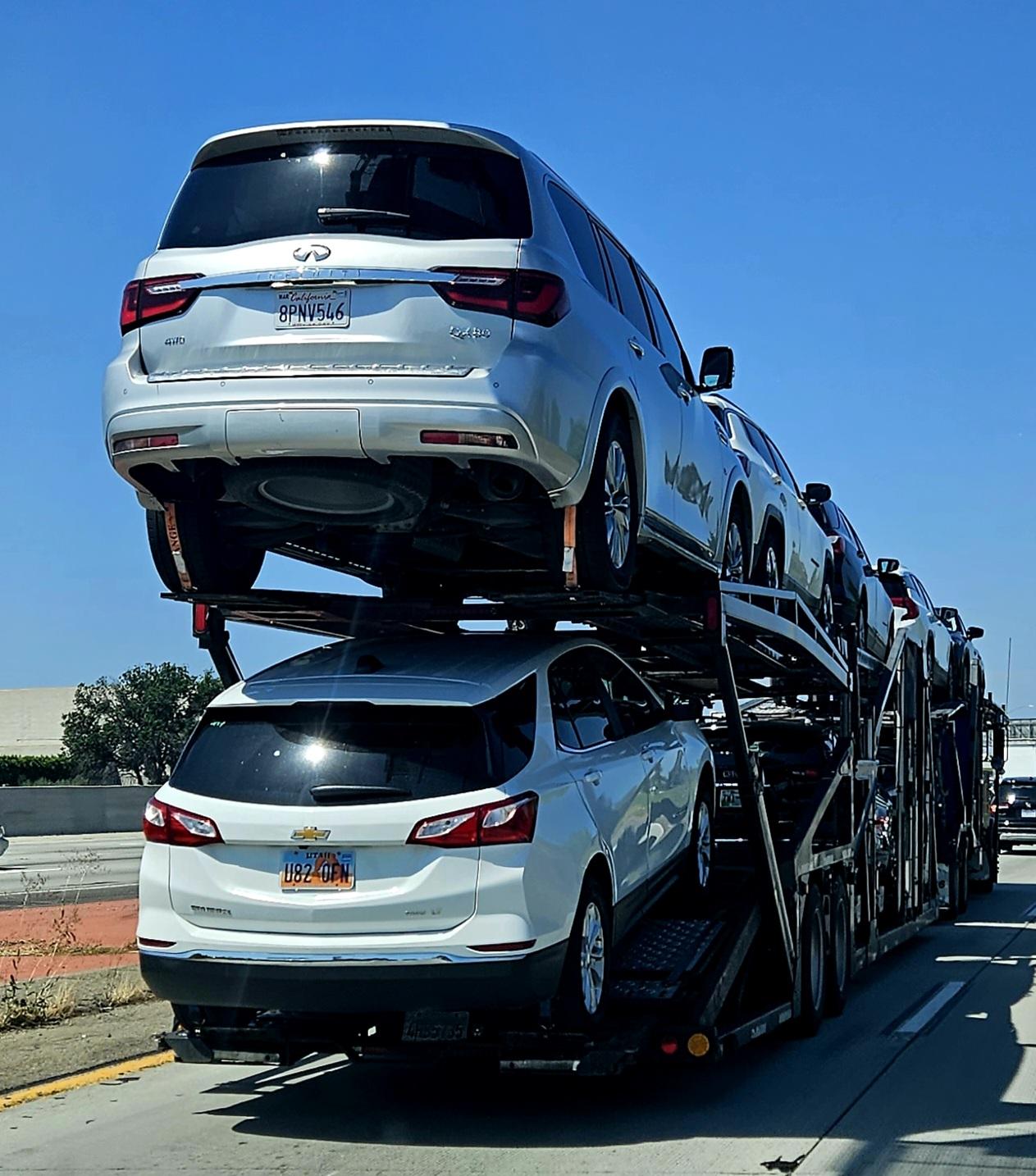
Before shipping your car to the United States, verify the federal entry basis and documents for the actual vehicle. Then define who collects it abroad, who handles the international leg and U.S. release, and whether inland delivery is included. Transport moves the car; it does not by itself make the vehicle admissible or ready for state road use.
Build the U.S.-bound shipment around verified entry evidence
-
Eligibility evidence
Keep the VIN, manufacture information, ownership and the official safety, emissions and customs basis used for entry. Do not select a declaration simply because it is convenient.
-
Custody evidence
Keep condition photos and reports from foreign release through U.S. terminal and any inland carrier transfer.
-
Delivery evidence
Retain the release documents, final condition record and any inland transport agreement separately from later state registration materials.

Resolve the federal questions first
US Customs and Border Protection directs vehicle importers to both DOT and EPA requirements. Check the car’s manufacture details, certification and intended use with the relevant authorities or qualified import specialist before paying for shipment.
Turn this plan into comparable transport options
Use the actual vehicle, pickup and delivery details, timing and handling needs so every quote starts from the same scope.
Do not assume that being the owner, returning to the US or calling the car a classic creates a general exemption. Temporary use, permanent import and particular exemption claims require their own evidence. A company willing to quote freight has not necessarily reviewed those matters.
US Customs and Border Protection reference
Prepare a vehicle and ownership file
- Record the VIN, make, model, manufacture date and current country.
- Gather ownership records and any lender or lessor permission needed.
- Identify who will make the customs entry and supply the required declarations.
- Check the origin country’s export process and the chosen port’s submission arrangements.
CBP identifies DOT Form HS-7 and EPA Form 3520-1 in its import guidance. Have the responsible importer confirm the correct basis and supporting records rather than selecting a declaration merely because it appears easiest.
US Customs and Border Protection reference
Define where the shipping contract ends
| Part of the move | Question for the proposal |
|---|---|
| Foreign collection | Who releases the car and prepares it for carriage? |
| International leg | What method and vehicle condition does the operator accept? |
| US arrival | Who handles terminal charges, entry, examinations and release? |
| Final delivery | Is inland transport included and who receives the car? |
Part of the move: Foreign collection
Question for the proposal: Who releases the car and prepares it for carriage?
Part of the move: International leg
Question for the proposal: What method and vehicle condition does the operator accept?
Part of the move: US arrival
Question for the proposal: Who handles terminal charges, entry, examinations and release?
Part of the move: Final delivery
Question for the proposal: Is inland transport included and who receives the car?
Ask how storage and other delay charges are allocated if clearance takes longer than expected. Preserve the currency and exclusions of each quote.
Keep release and road use separate
Retain the import and release documents for the later state process. Arrange a carrier if the vehicle cannot legally or practically be driven from the arrival point. Nominate a receiver able to inspect it and compare its condition with the departure record.
Plan the first usable day conservatively: vessel arrival, customs release, inland delivery and state road-use requirements are separate steps. No universal transit time or import cost can be established from the destination country alone.