
Before shipping a vehicle from Germany to the United States, establish how the specific car qualifies for U.S. entry, who acts as importer, and which documents follow the vehicle. Only then should you lock the Germany pickup, export handoff, ocean movement and U.S. inland delivery.
Use four evidence layers for a Germany-to-U.S. vehicle move
-
Vehicle identity
VIN, model year, manufacturer labels and configuration determine which federal questions must be answered.
-
Entry documents
Keep the NHTSA, EPA and customs path with the importer rather than assuming the ocean carrier owns compliance.
-
Custody records
Germany pickup photos, export acceptance, arrival release and U.S. delivery inspection show where the car was at each stage.

Decide how the vehicle reaches its first safe U.S. destination after import
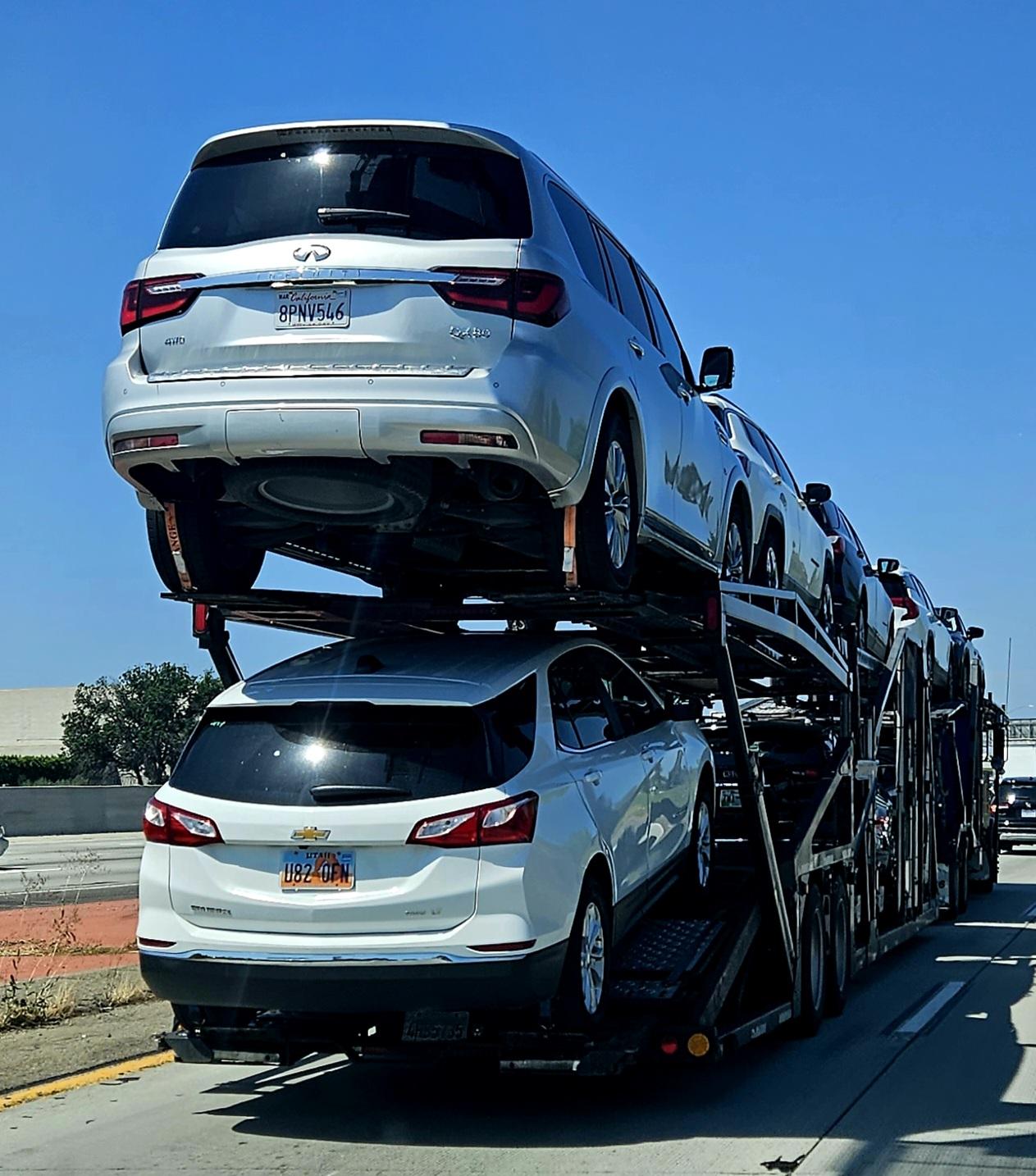
Before the vessel arrives, identify whether the imported vehicle will go to a residence, storage facility, shop or specialist after release. If it cannot yet be registered or driven, the first destination should accept delivery without requiring road use. Give the inland transporter the release facility, vehicle dimensions, running condition and any special loading need. If the road carrier is separate from the international provider, a terminal handoff becomes a distinct custody event: record the condition when the terminal releases the car and again when the road carrier delivers it. This avoids leaving the final U.S. movement undefined until the car is already accruing storage.
If the German exporter and U.S. importer are different people or companies, agree on who answers document questions after the vehicle has left Germany. Put that contact in the shipment file along with the VIN and booking reference. The ocean provider should not have to infer whether a missing document belongs to the seller, exporter, importer or broker while the car is waiting for release.
Start with the vehicle’s legal entry basis
NHTSA and EPA import requirements are independent of a freight forwarder’s willingness to move the car. Resolve the applicable compliance basis and required federal declarations before assuming arrival means release.
Assign the importer and document flow
State who will present or manage the entry documents, who holds title/ownership paperwork needed for the transaction and who receives the vehicle after CBP release. Keep that role map separate from carrier custody.
Build logistics after compliance
Germany pickup, export terminal, ocean/air freight and U.S. inland delivery are physical handoffs. They can be priced only after the compliance path is plausible for the actual vehicle.