
Shipping a motorcycle to Alaska can mean road transport, an unaccompanied marine cargo movement, or a passenger-ferry trip where the rider accompanies the bike. Those are different products. Confirm the origin, Alaska destination, motorcycle dimensions and the operator's current vehicle policy before building the rest of the route.
Choose between accompanied travel and unaccompanied motorcycle cargo
-
Accompanied movement
The rider's reservation, reporting time and vehicle rules govern; it should not be compared directly with an unaccompanied freight quote.
-
Unaccompanied cargo
A release person, acceptance rules and destination collection plan become essential because the rider is not traveling with the bike.
-
Road-only alternative
Where practical, compare it on the same origin, destination, bike condition and protection requirements rather than just the headline rate.
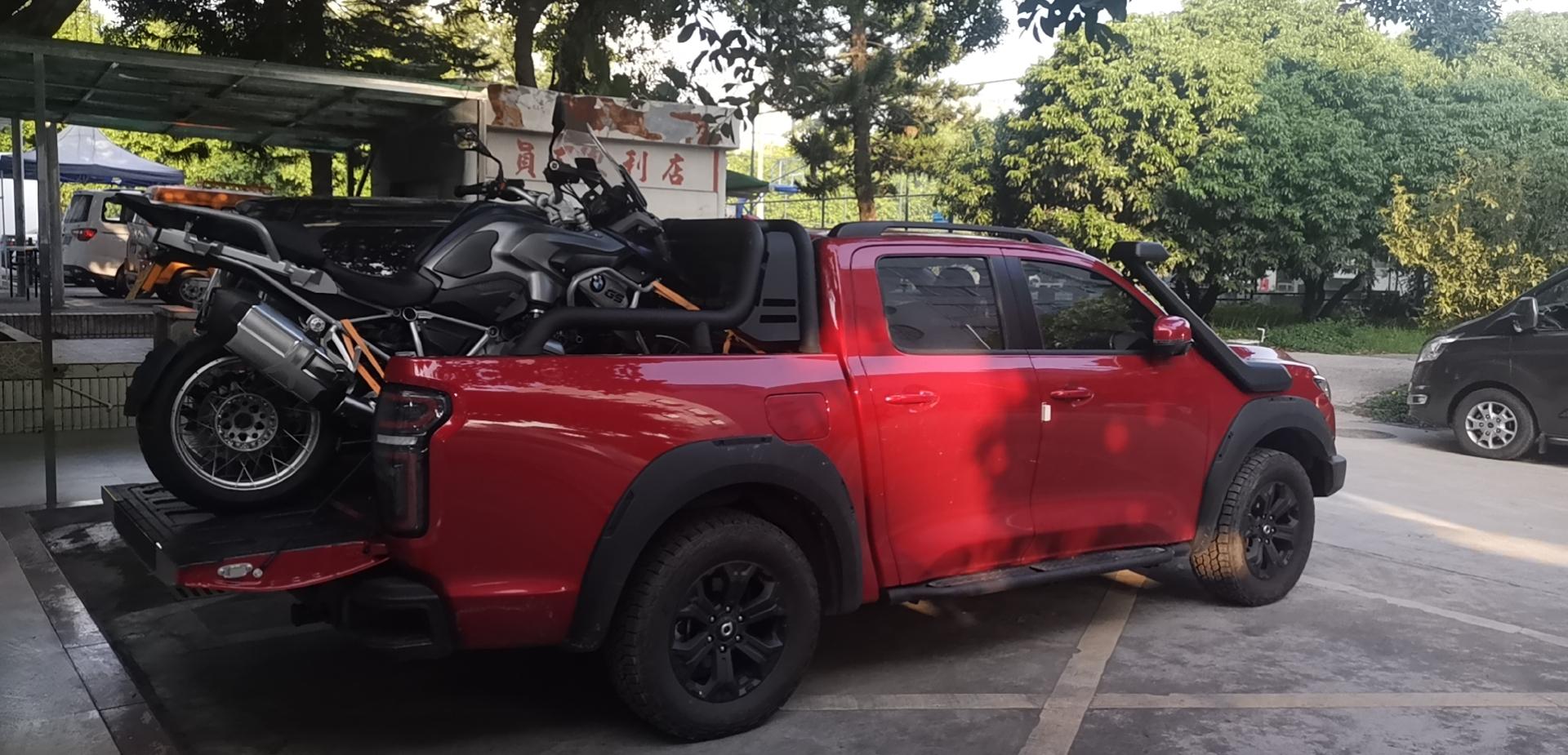
Use the motorcycle service hub to compare handling without confusing it with Alaska marine rules
General motorcycle-carrier questions—open versus protected transport, running condition and pickup access—can be framed through the motorcycle transport hub. The Alaska portion still requires the booked marine or road operator's own acceptance and schedule rules. If two modes are combined, identify exactly where the first carrier releases the bike and the second accepts it. That boundary should have a condition record, a named contact and enough schedule margin that a late road leg does not automatically break the marine connection.
Turn this plan into comparable transport options
Use the actual vehicle, pickup and delivery details, timing and handling needs so every quote starts from the same scope.
Choose between accompanying the bike and shipping it as cargo
Tell providers where the motorcycle starts, where in Alaska it must finish, and whether you will travel with it. Ask for the actual road or marine itinerary and a written answer on final delivery. A ferry reservation for a rider and bike is a different arrangement from handing an unaccompanied motorcycle to a freight operator.
If the itinerary uses the Alaska Marine Highway, its motorcycle policy makes the owner responsible for providing suitable tie-downs and securing the bike. It bases motorcycle length on the complete combination, including trailers or attachments. Confirm the requirements for your configuration with AMHS. Alaska DOT ferry operator policy
Make the handling plan specific to the bike
- Describe whether the motorcycle runs, rolls, steers and brakes, and disclose any sidecar, wide luggage or trailer.
- Ask the accepting carrier whether it requires a crate, pallet or another support; do not assume a standard car-loading arrangement suits the bike.
- Agree who supplies and applies restraints, which attachment points will be used, and how the bike is protected during each custody change.
- Obtain written instructions for fuel, batteries, keys and detachable belongings, then document the bike’s condition before release.
Arrange people at both ends of an unaccompanied ferry leg
AMHS requires shippers of unaccompanied vehicles to arrange loading and off-loading. Identify the person who will deliver the motorcycle and the person who will remove it at arrival before committing to that option. Alaska DOT ferry operator policy
For a commercial freight offer, ask the operator to explain its own custody and release procedure instead of borrowing the ferry’s rules. Have the written scope cover collection, any terminal transfer, the Alaska arrival point and the final haul. Confirm who handles a missed connection or condition dispute.
Confirm the complete acceptance
Approve an offer only when the motorcycle configuration, route, handling and receiver are all accepted. A general comparison enquiry on this site is not a ferry reservation or confirmation that a cited operator will carry your bike.