
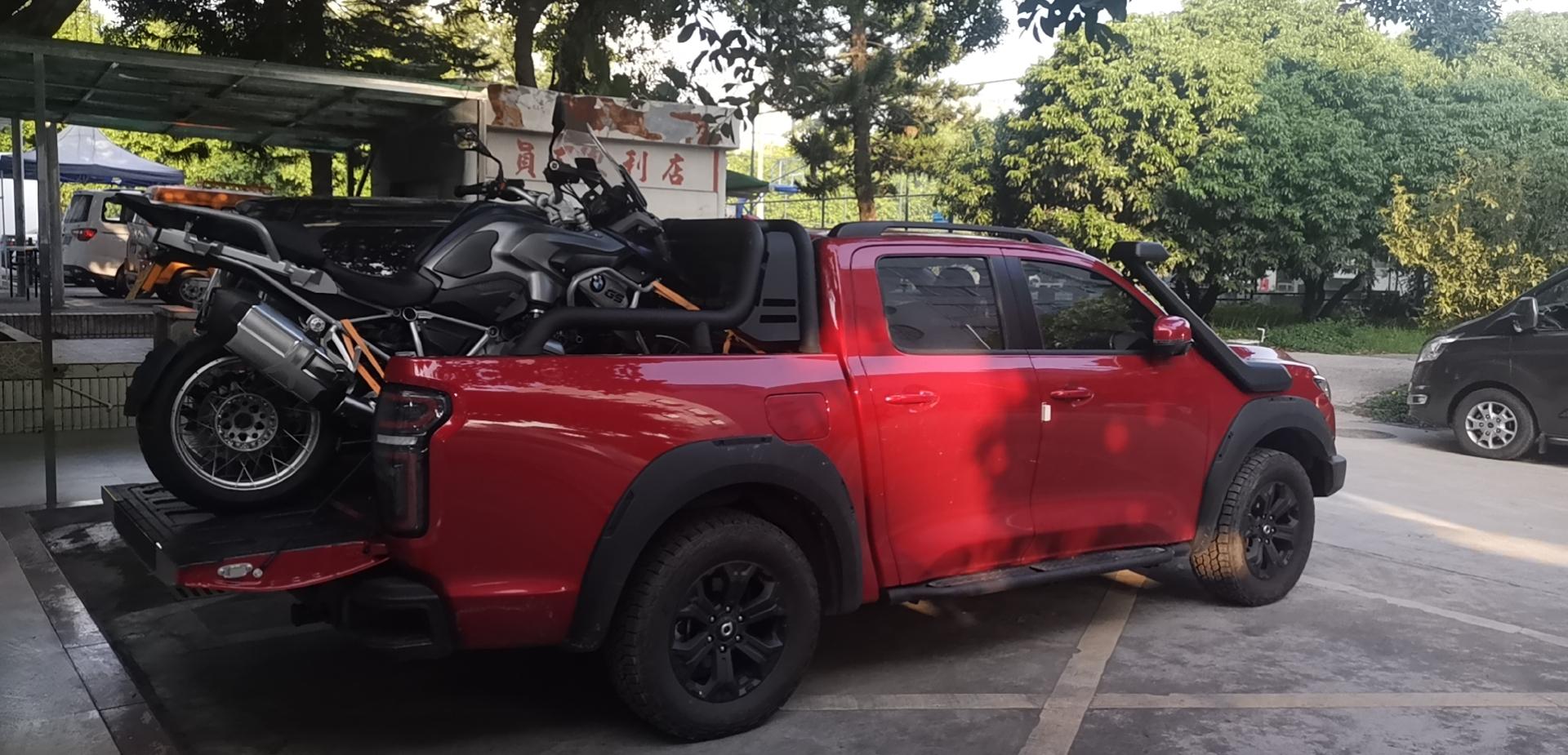
Motorcycle shipping to the USA requires the exact motorcycle identity, a lawful U.S. import path and a physical shipping plan from the foreign release point to U.S. delivery. Confirm federal safety/emissions and customs requirements for the bike before sailing, then define who controls each transport handoff.
Keep motorcycle identity, entry approval and custody evidence separate
-
Identity evidence
VIN, model year, manufacturer labels and modifications determine which federal questions need to be resolved.
-
Entry evidence
The importer should own the relevant EPA/NHTSA/customs documentation rather than assuming the freight provider guarantees admissibility.
-
Custody evidence
Departure photos, export acceptance, U.S. release and final delivery inspection track the motorcycle through the shipping chain.

Turn this plan into comparable transport options
Use the actual vehicle, pickup and delivery details, timing and handling needs so every quote starts from the same scope.
Choose the first U.S. destination based on what the imported motorcycle can legally and physically do
If registration, inspection or modification work remains, the safest first destination may be a shop, storage facility or private property rather than the owner's planned riding location. Compare the inland movement with the site's motorcycle transport guidance, but give the actual road carrier the terminal release instructions and exact bike condition. A nonrunning imported motorcycle, sidecar or unusually configured machine may require different equipment from a standard bike. Plan that final leg before arrival so the motorcycle does not sit at a terminal while the owner searches for a suitable carrier.
Start with the motorcycle’s identity
Record VIN, model, manufacture information, certification labels and modifications. Tell the importer whether the motorcycle is for permanent use, temporary use or another specific purpose. Do not assume that a model sold under the same name in the US has identical certification.
EPA’s import forms guidance expressly includes highway motorcycles under Form 3520-1. Have the responsible importer determine the applicable declaration and supporting evidence alongside the separate DOT requirements.
US EPA reference
Resolve the departure-side release
Ask the seller or owner which ownership records and export steps are required in the origin country. Identify who can release the motorcycle and what the forwarder needs before collection. Keep copies available to the importer rather than packing the only originals where they cannot be accessed.
Get the actual bike accepted
- Disclose a sidecar, trike conversion, oversized luggage or non-running condition.
- Identify the powertrain and any damaged battery or leak.
- Ask who provides and packs the crate or pallet if required.
- Follow the selected operator’s fuel, battery and accessory instructions.
Ask how condition will be documented before packing and after unpacking, and who handles an apparent damage issue at either stage.
Connect customs handling to the booking
Name the customs representative and arrival contact. Require the proposal to distinguish carriage, terminal handling, entry services, potential examinations and storage. No sea or air quote alone establishes the final cost of release.
Choose the first safe destination
Confirm whether the service ends at the arrival facility or includes onward transport. If the motorcycle cannot yet be lawfully ridden, plan delivery to an appropriate address. Ask the receiving state’s vehicle authority about subsequent registration using the retained import documents.
Do not fix a ride or sale handover to the scheduled arrival alone; availability follows the applicable release steps.