
International Motorcycle Shipping Routes

Motorcycle Shipping USA To Canada

For Motorcycle Shipping USA To Canada, settle the government eligibility or document step first, then ask the transporter to name every physical handoff it controls.

Ready to compare options for this move?
Border documents prepared for a motorcycle shipment to Canada
Direct answer

Motorcycle shipping from the USA to Canada should start with the exact bike, reason for import and Canadian eligibility requirements. After that, define the U.S. pickup, border handoff, customs/registration steps and Canadian delivery. A transport quote does not by itself establish that the motorcycle can be permanently imported or registered in Canada.

Sequence the USA-to-Canada motorcycle move around entry eligibility

  • Check the motorcycle

    Use VIN, model year and modification details when checking the Canadian import path and any program that applies.

  • Check the handoff

    Ask whether the same carrier crosses the border or whether custody changes near the crossing.

  • Check the destination

    Confirm the Canadian receiver, delivery access and whether the motorcycle can be ridden after release or needs continued transport.
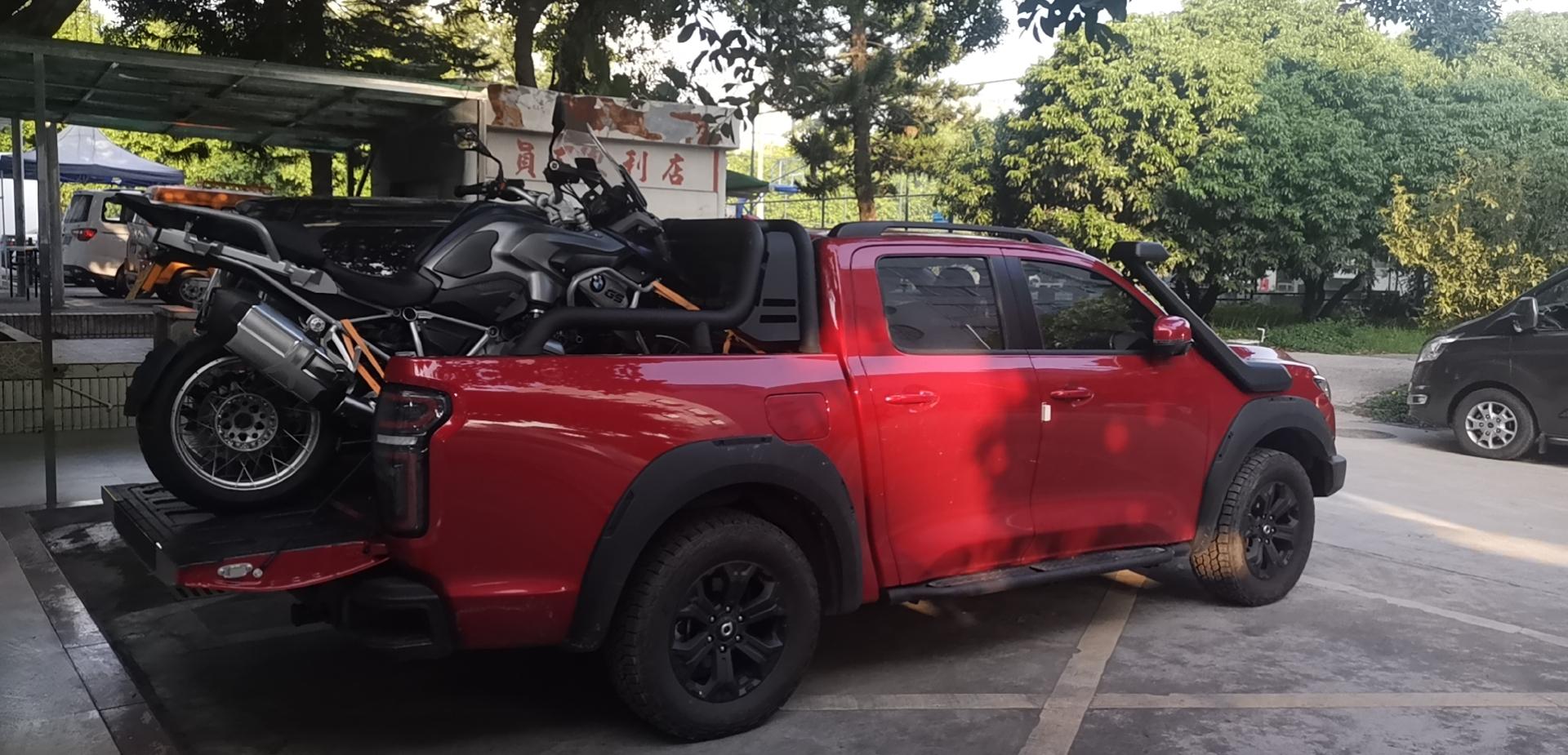
Motorcycle loaded for cross-border transport

Decide whether this is a permanent import, temporary movement or another specific use

The reason the motorcycle is entering Canada matters to the owner's legal and administrative plan. Use Transport Canada and border-agency guidance that fits the actual situation rather than treating every cross-border motorcycle as the same transaction. Gather the VIN, year, make, model, ownership record and relevant manufacturer information before booking. A modified motorcycle deserves particular attention because a model-level assumption may not describe the actual machine presented at the border.

Keep U.S. export and Canadian entry responsibilities visible

Ask what the transporter requires before pickup and what border documents remain the customer's or broker's responsibility. If advance export reporting or another origin-side step applies, confirm who performs it and when. On the Canadian side, identify who handles the entry declaration, fees, inspections or follow-up that apply to the motorcycle. The carrier can move the bike and present documents within its role, but it should not become an undefined substitute for the owner, importer or government process.

Build a border-delay fallback before the bike leaves the U.S.

If the motorcycle cannot cross on the planned day, know where it may wait, who holds the keys and who can authorize another movement. Keep the pickup condition record with the shipment and photograph any custody change near the border. If a second carrier takes over in Canada, do not dispatch it solely from an estimated crossing time. Confirm release first so the receiving carrier is not waiting for a motorcycle that is still under customs or documentation control.

Make Canadian delivery work even if the owner cannot ride immediately

Registration, insurance, inspection or licensing obligations may not be complete at the moment the motorcycle is physically released. Choose a delivery location where the bike can remain safely and arrange continued transport if it cannot be ridden. The receiver should compare the bike with the U.S. pickup photos before the first ride. This keeps transport-condition evidence separate from any mechanical or administrative issue discovered after entry.

Quote planning

Turn this plan into comparable transport options

Use the actual vehicle, pickup and delivery details, timing and handling needs so every quote starts from the same scope.

Keep the Canadian receiving plan separate from the border-compliance checklist

After entry, the bike still needs a real destination. Decide whether it goes to the owner, a dealer, an inspection location or storage, and whether it can be ridden there. The site's motorcycle transport hub can help frame ordinary carrier handling questions, while Transport Canada and border authorities remain the source for government requirements. Give the Canadian receiver the U.S. pickup photos and do not let the first ride begin before a visible condition inspection is complete.

If a cross-border carrier hands the bike to a domestic Canadian carrier, record the time and place of that transfer, the motorcycle's visible condition and the person accepting custody. Confirm whether the second provider was included in the original price or separately arranged. This matters because a border-to-destination handoff can otherwise disappear inside a single invoice, leaving the owner unsure which company controlled the motorcycle when a later issue arose.

If the motorcycle is financed, leased or newly purchased, confirm that the person presenting it for export has the authority and documents required for the actual transaction. Cross-border transport should not begin on the assumption that ownership paperwork can be fixed after the bike reaches Canada. Match the VIN across the booking and government documents before the first carrier takes custody.

The shipment in Motorcycle Shipping USA To Canada has two different jobs: regulatory clearance and moving the vehicle. Use the cited authorities for the first and require a written pickup/transfer/delivery scope for the second.

Government step: Transport Canada

Transport Canada publishes the federal process for importing vehicles into Canada, including eligibility and Registrar of Imported Vehicles pathways where applicable.

Assign the transport handoffs explicitly

A route becomes bookable only after the street/property handoffs and responsible contacts are stated; keep those details consistent between proposals.

Sources

(888) 230-9562Call NowGet QuotesGet Quotes