
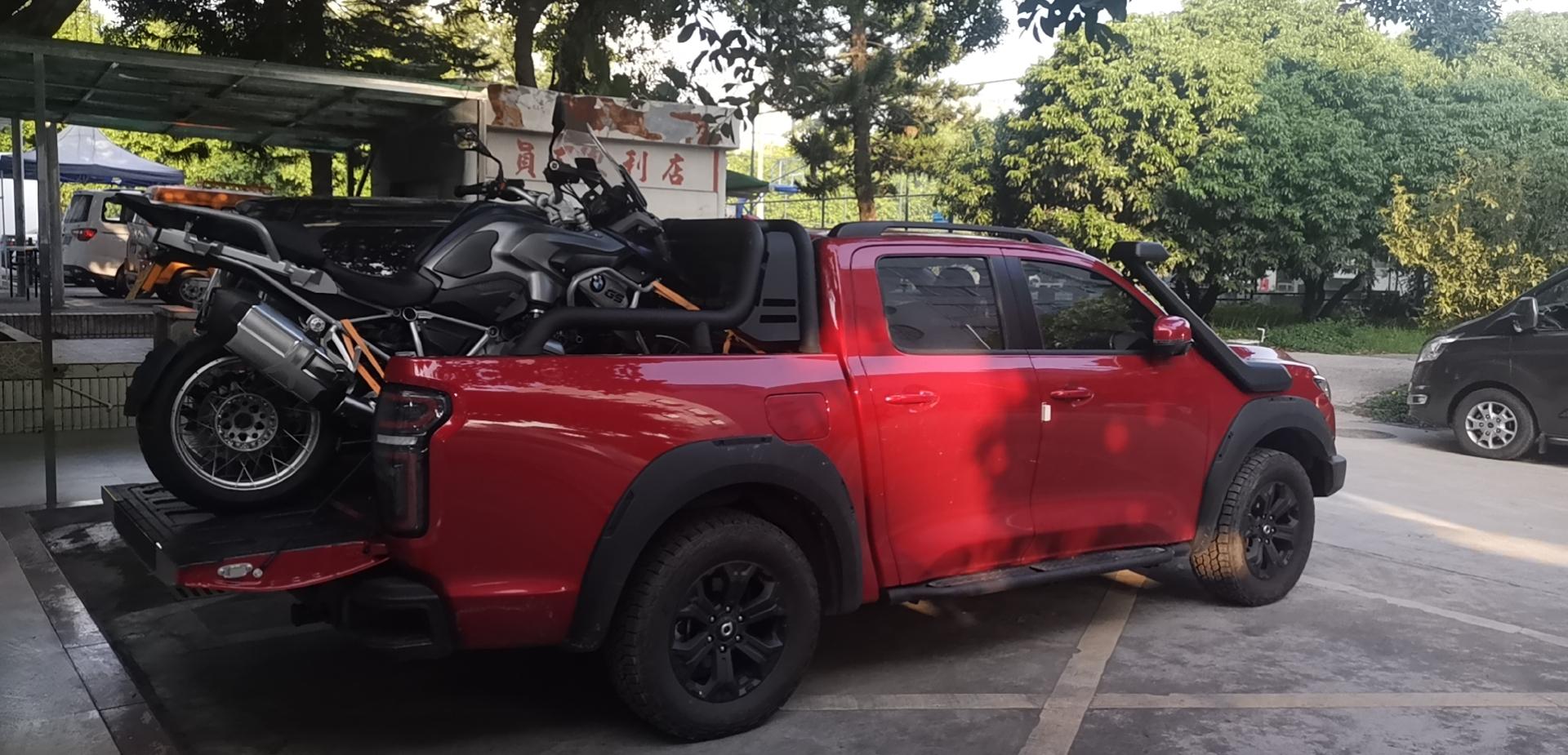
Motorcycle transport from Canada to the USA requires a U.S. entry path for the specific bike plus a cross-border custody plan. Confirm NHTSA, EPA and CBP requirements before pickup, then state whether one carrier crosses the border and what happens if the motorcycle cannot be released on schedule.
Record the motorcycle VIN/model, engine/emissions information and federal declaration basis before treating the cross-border movement as a normal domestic bike shipment.
Keep Canada pickup, U.S. entry and final motorcycle delivery distinct
-
Canada pickup
Verify VIN, owner/seller authorization, bike condition and any modification that affects loading or federal entry.
-
Border processing
Keep federal eligibility documents with the responsible importer and define a lawful wait/return plan if entry is interrupted.
-
U.S. delivery
Choose a receiver and destination that work even if the motorcycle cannot yet be legally or mechanically ridden.

Use motorcycle transport guidance only after the federal entry path is resolved
Once the motorcycle's U.S. eligibility is established, the site's motorcycle transport hub can help the owner compare ordinary handling and delivery questions. Keep that service comparison downstream of the federal check: a provider may be excellent at moving motorcycles and still have no authority to decide whether this particular bike satisfies U.S. entry rules. Send every transport candidate the same VIN, running condition, dimensions, pickup location and U.S. destination so the physical quotes remain comparable.
If the U.S. receiver is not the importer, give both parties clear roles. The importer should remain reachable for customs or compliance questions, while the receiver should handle delivery access and condition inspection. If the motorcycle cannot be ridden after release, arrange a suitable truck or tow in advance. This prevents a border process from ending with a bike that is legally released but operationally stranded.
A Canada pickup from a dealer or private seller needs a clean release chain. Verify who is authorized to hand over the bike, match the VIN to the U.S. import file, and obtain condition photos before the transporter departs. If the U.S. buyer was not present for purchase, these records help separate seller-condition questions from any issue alleged to have arisen during cross-border custody.
Motorcycle identity drives the compliance check
Use NHTSA and EPA resources for the actual motorcycle rather than assuming passenger-car rules map cleanly onto the bike. Keep customs entry responsibility explicit as well.
Then define the motorcycle pickup and loading method
Tell the transporter whether the bike rolls and steers, what accessories remain attached, and where custody changes in Canada and the United States. Those logistics are separate from federal admissibility.